Spain.
A former cooperative hosts new theatre, neighbours rethink the ownership of a home, and tactile tools invite participation. Spanish examples connect design with the ways people share a city.
Start with Sala Beckett.
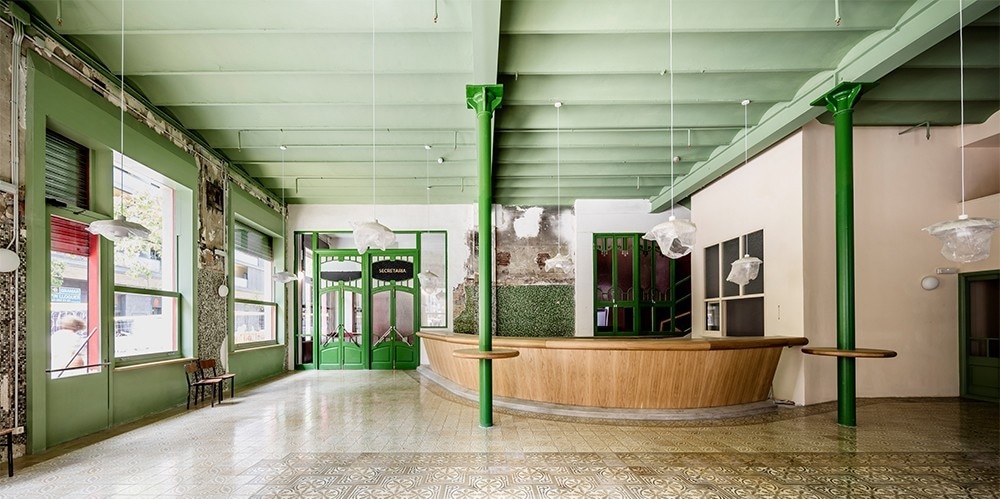
Let the old room keep speaking.
Barcelona’s theatre and writing centre preserves traces of a former workers’ cooperative in its new public life.
Read the storyMore from Spain.
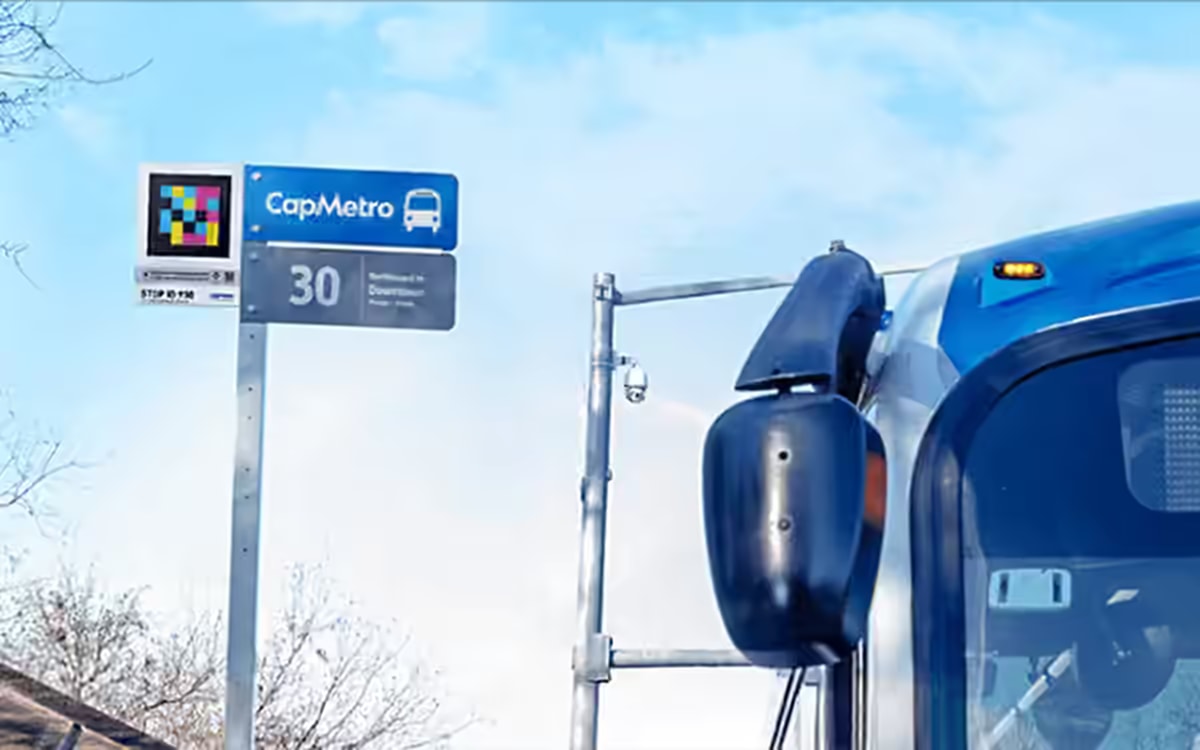
A sign that can find its voice.
Colourful camera-readable markers bring transport information into audio, helping people reach a sign’s meaning without precisely aiming at it.
Read the story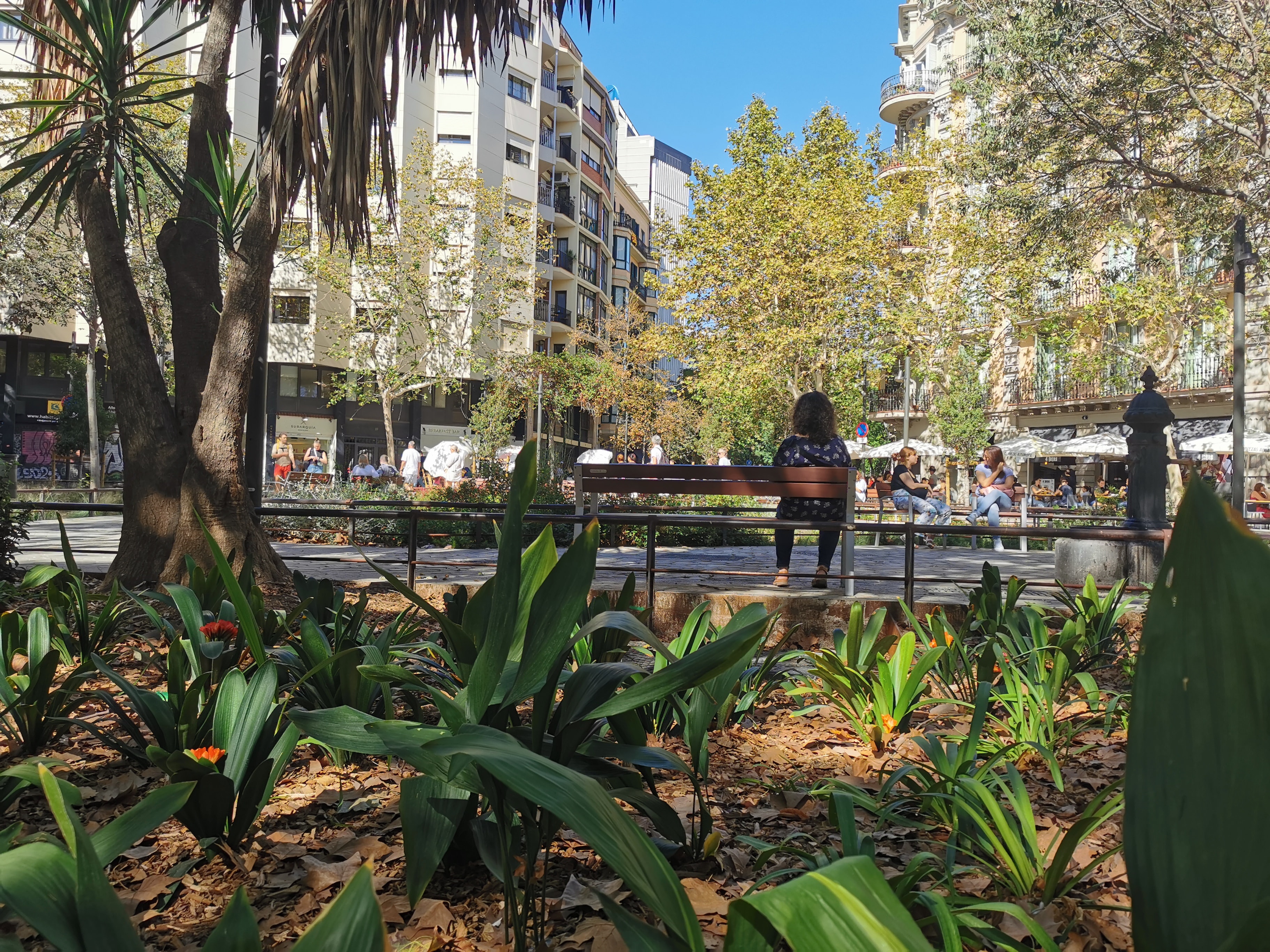
Give the street another purpose.
Barcelona reorganises traffic to make room for walking, planting and everyday public life. The change begins with who can pass through a street.
Read the story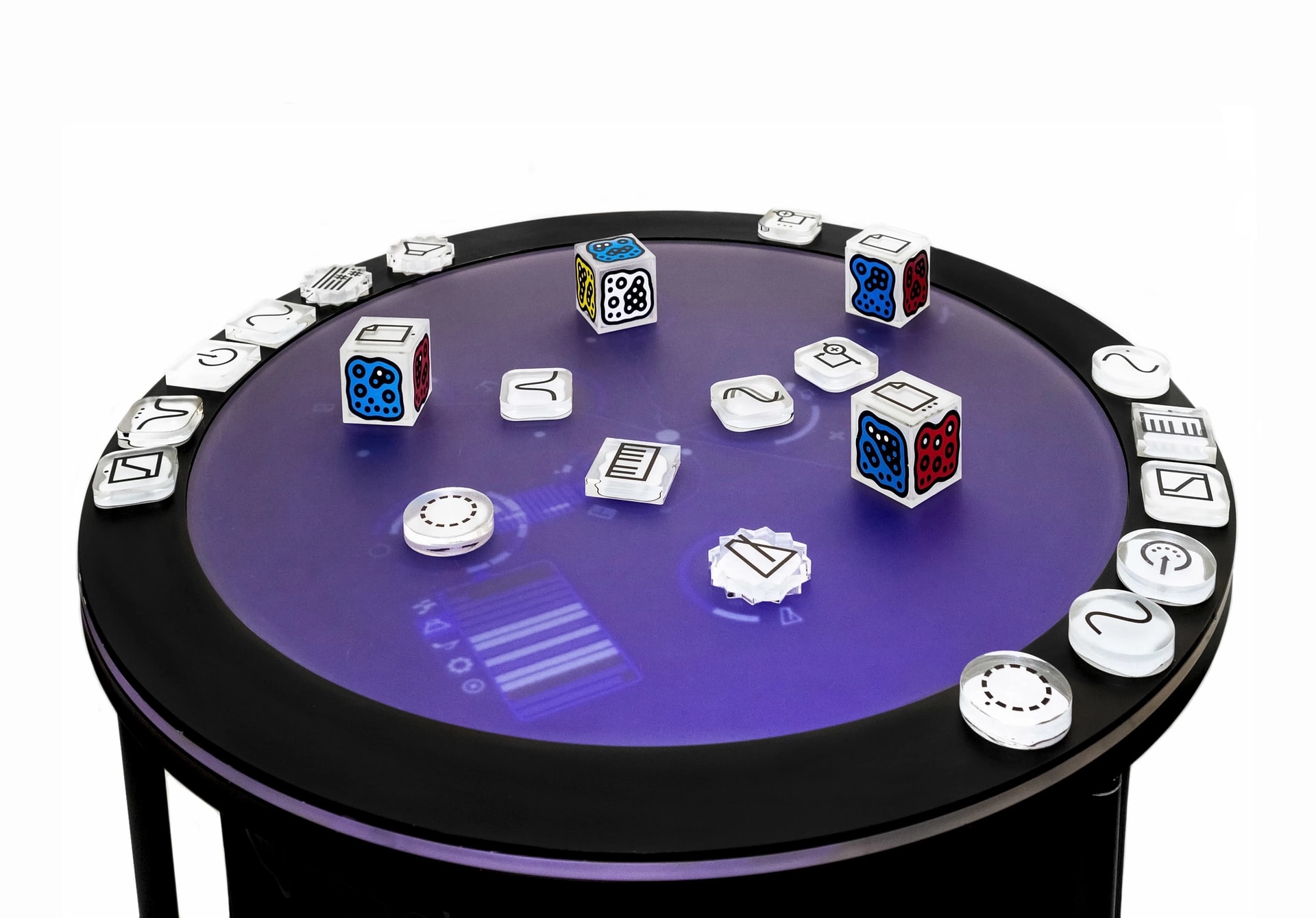
Music made by moving objects on a table.
Move a block and the music changes. Reactable turns a tabletop into a synthesiser, with physical objects and projected connections making a normally hidden musical system visible and shareable.
Read the story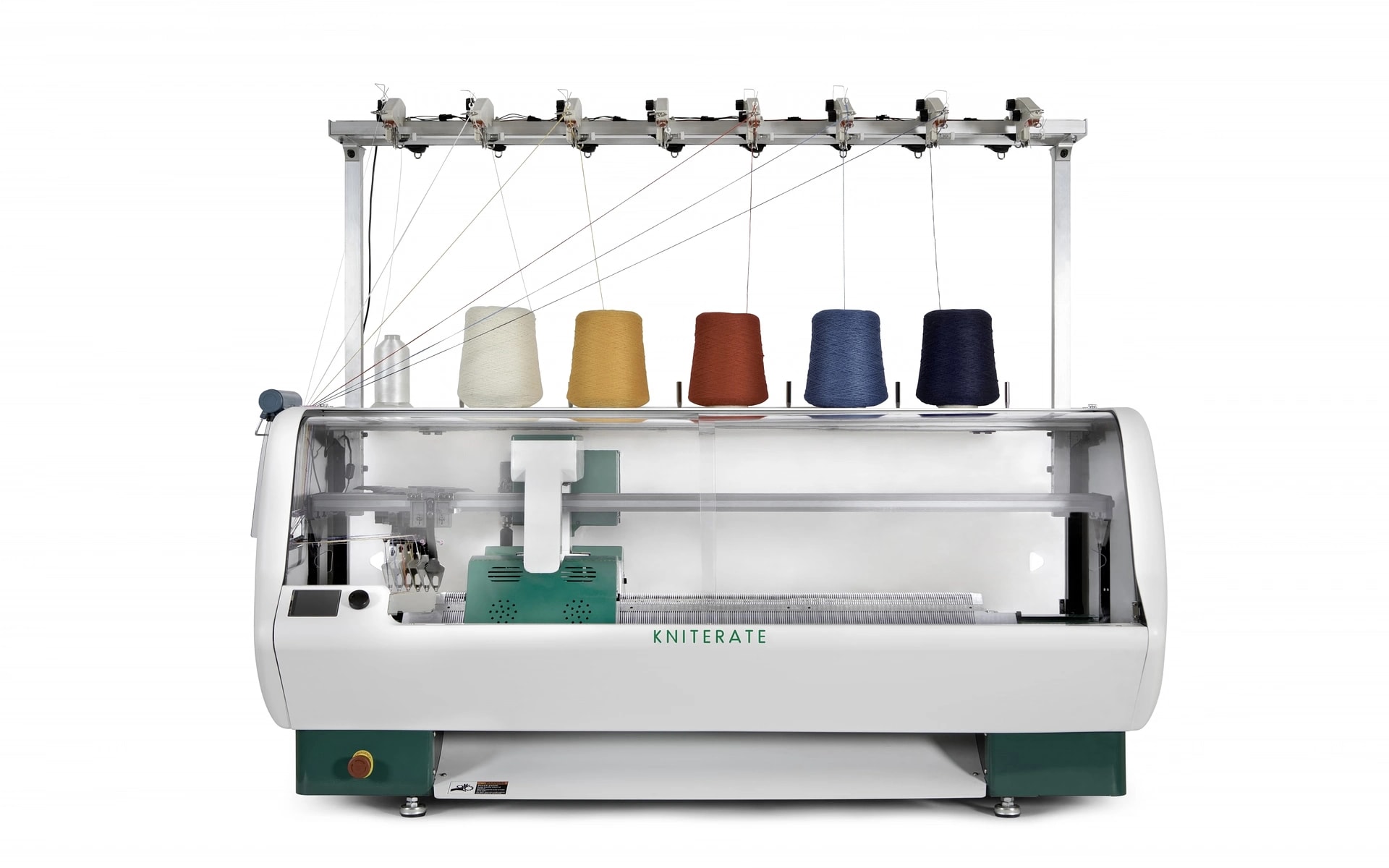
Digital knitting at studio scale.
The next version of a garment can depend on access to a machine far beyond the designer's studio. Kniterate brings automatic knitting and shaping closer to that studio. The interesting change is the shorter distance between an idea, a physical sample and another attempt.
Read the story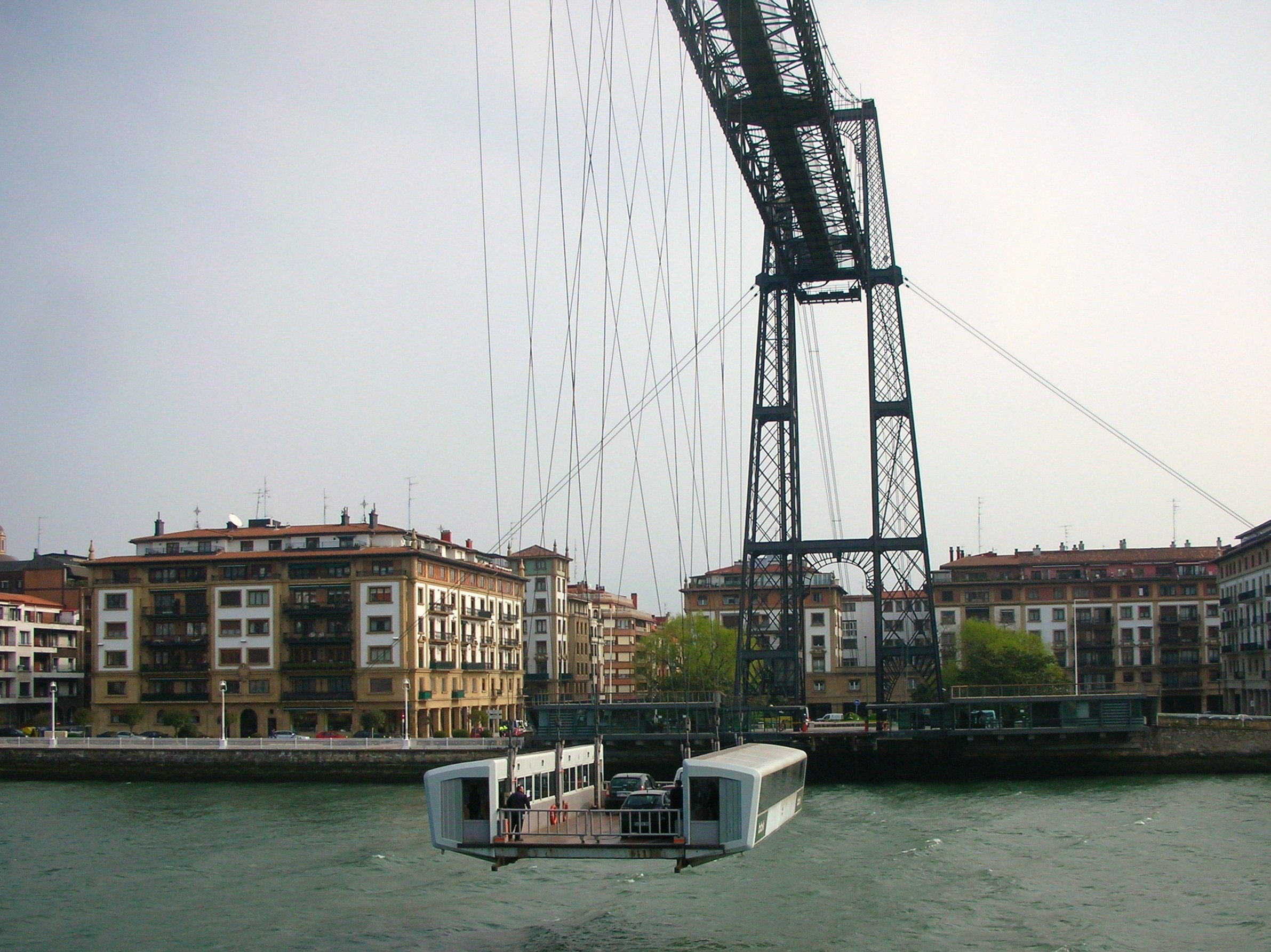
Cross the river without closing it to ships.
A suspended gondola connects two banks without blocking the shipping channel between them.
Read the story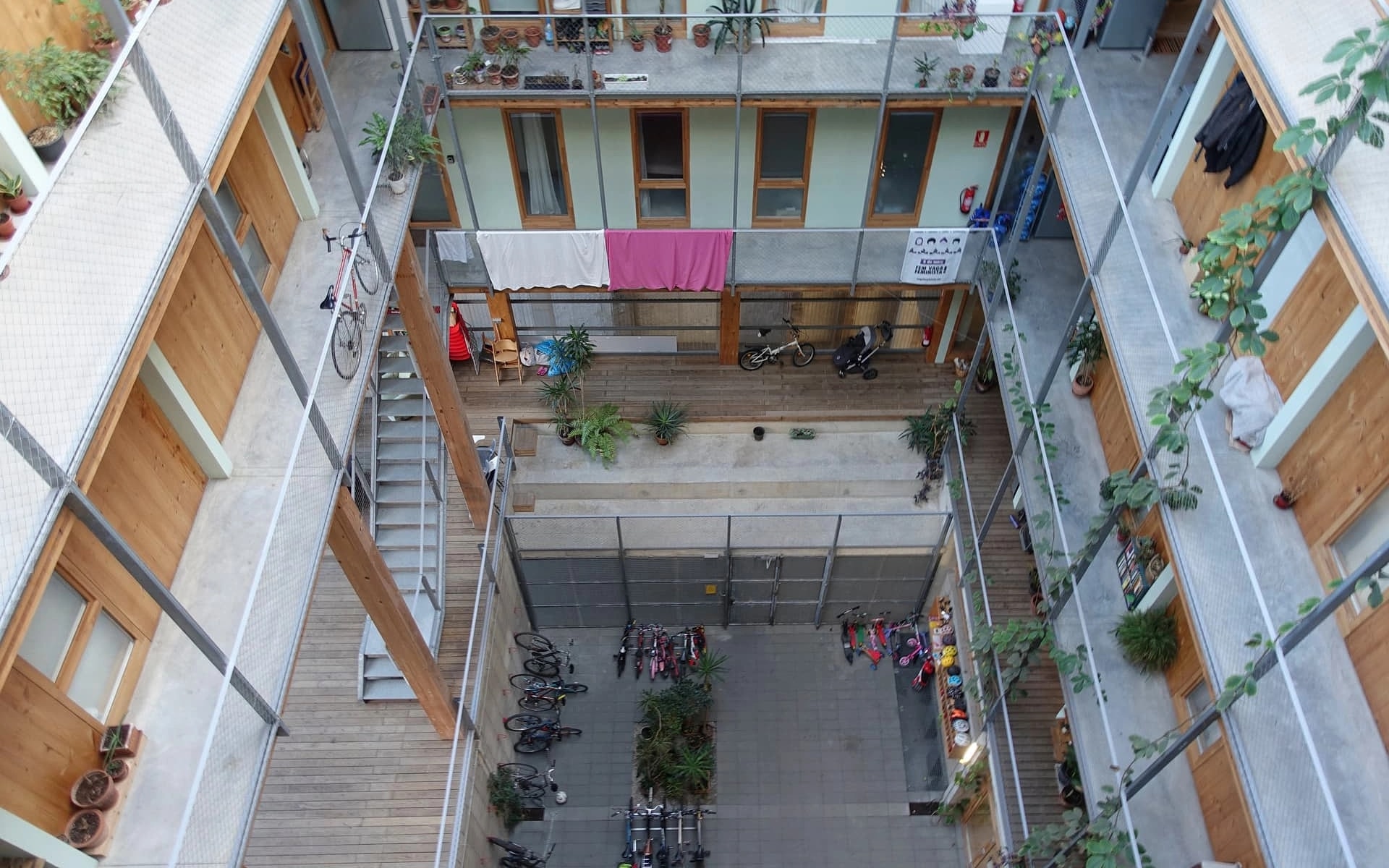
A home to use, rather than trade.
Residents secure the right to live in their homes, while the cooperative keeps ownership of the building.
Read the story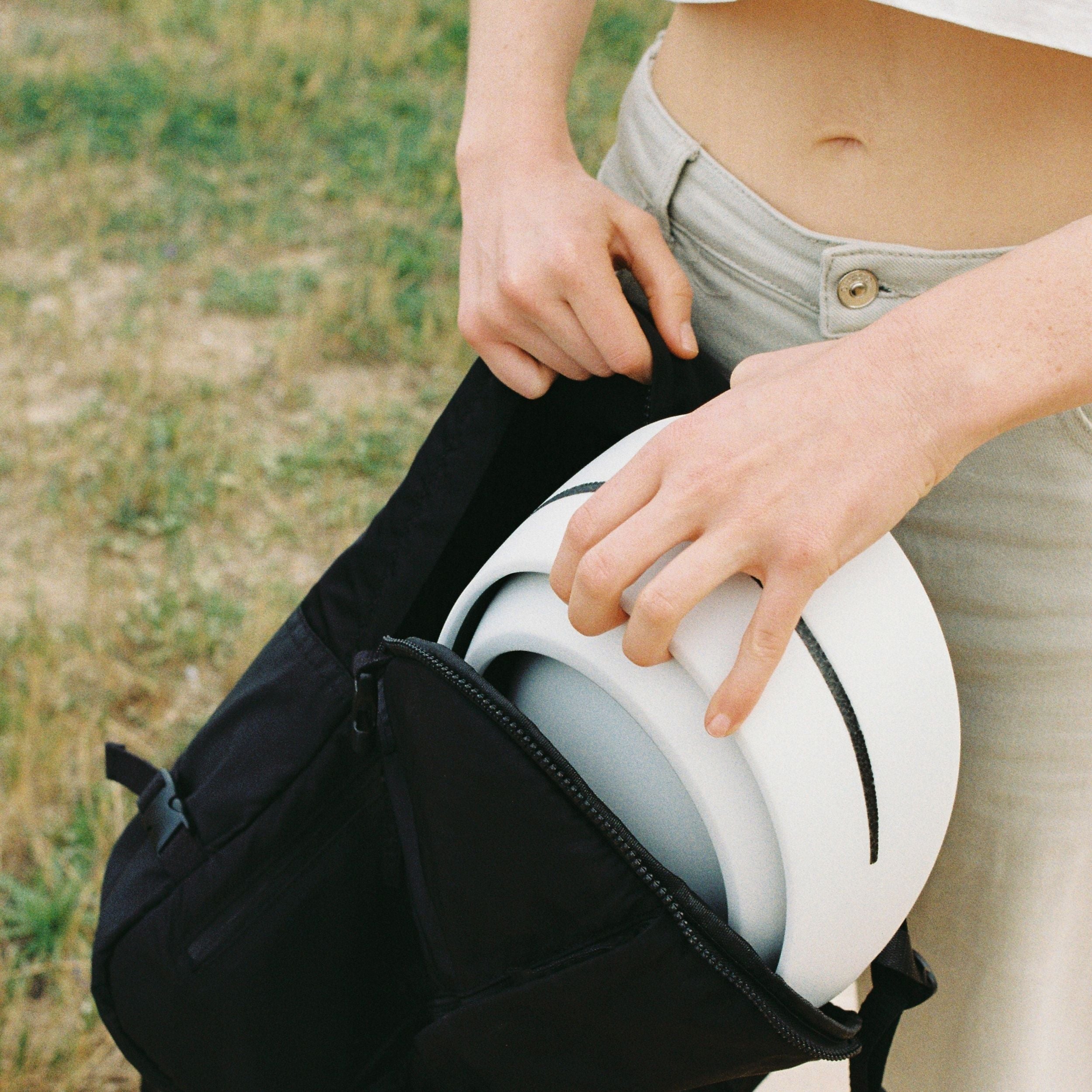
Let the helmet take up less of the day.
A bicycle helmet collapses vertically for carrying, while its nested sections stay extended around the wearer’s head.
Read the storyAn editorial starting point for exploring Spain, not a ranking or a comprehensive national survey.