A home to use, rather than trade.
At La Borda in Barcelona, the cooperative owns the building and members hold a right to use their homes. That distinction shapes decisions about shared space, governance and what happens when someone leaves.
 ES Spain
In practice. A Barcelona housing cooperative completed in 2018, combining a grant-of-use model with shared spaces on leased public land.
What to keep in view
The model relies on specific land, financing and governance arrangements. Shared facilities and collective ownership do not automatically create affordability or agreement among residents.
Design the tenure and the building together
The cooperative holds the building collectively; members have individual rights of use. The homes cannot simply be sold or rented out by their occupants as private assets. The cooperative’s general assembly is central to decisions.
Architects Lacol developed the project with residents, combining homes with shared facilities on leased public land. Laundry, guest and communal spaces change what each household needs to provide privately. The ownership arrangement and the physical plan therefore support each other.
Ask what the shared model requires
Our reading: a housing project can innovate in the relationship between a resident and a home, not only in the way the building is constructed. Keeping the asset collective changes the decisions available to an individual member and the work members must do together.
That makes governance part of the housing experience. Initial contributions, monthly payments, exit rules and the time required for collective decisions all matter when comparing this model with renting or buying. Shared ownership alone is not proof of affordability in another place.
Completed project · Completed 2018
28 homes with shared everyday spaces
Lacol documents a completed cooperative building with 28 dwellings and shared facilities, including a kitchen, laundry and guest space.
What this tells us. Completion demonstrates the model in one building. Affordability elsewhere depends on land access, finance, governance and local conditions.
Sources (3)
- Lacol · 2018 building, 28 homes, shared facilities and participatory design
- La Borda cooperative · Collective ownership, individual use and restrictions on selling or renting the dwelling
- La Borda cooperative · 2015 public-land lease, duration and regulated housing conditions
Read next.
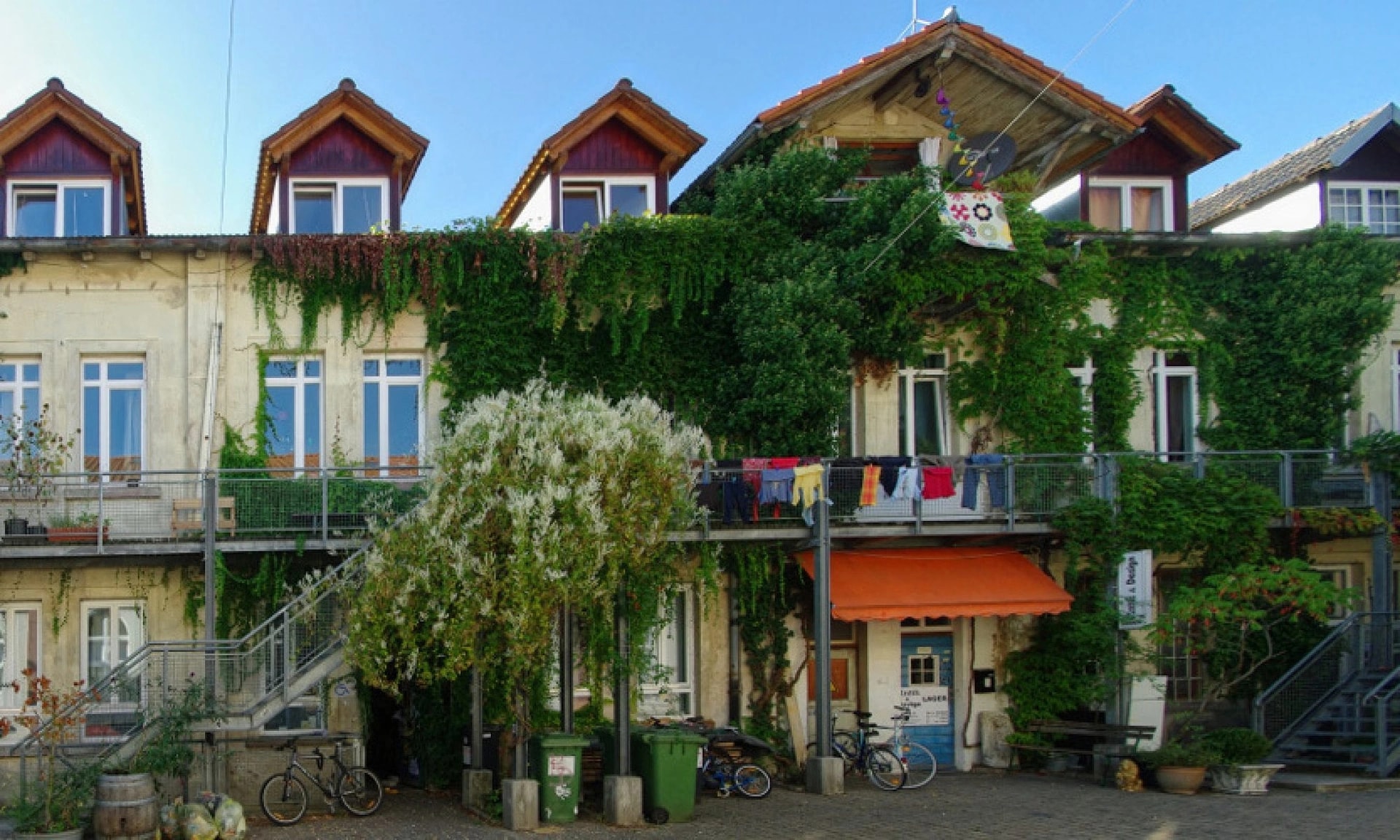
Keep the next sale out of the housing model.
Both redesign the relationship between a home and its ownership. Compare a shared veto against resale with a cooperative grant-of-use model.
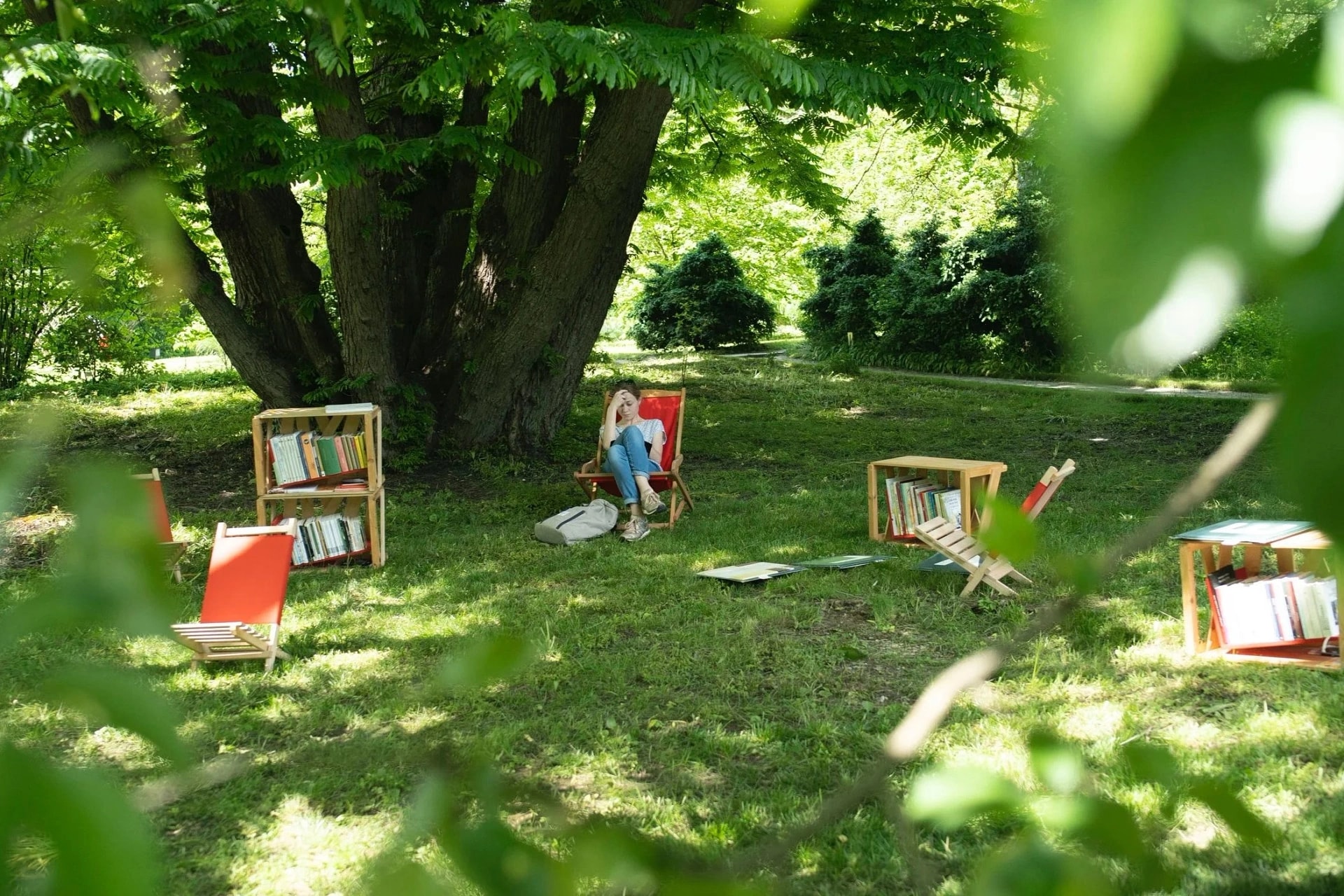
A library can begin with shade and a place to sit.
Shared space needs a useful everyday purpose. Compare common facilities inside a housing cooperative with a seasonal public reading room.