Give the street another purpose.
A street can carry traffic, or it can also become somewhere to stay. Barcelona’s Superblocks change the movement rules and the physical space together, turning parts of the road network into places for public life.
 ES Spain
In practice. Built street transformations in Barcelona. The Eixample programme extends the approach through green streets and new public squares; citywide health estimates remain modelling results.
What to keep in view
Citywide health estimates are modelled scenarios. Built interventions require their own evidence on use, access, traffic displacement and environmental conditions.
Change the route before the paving
The Superblock approach reduces through-traffic within selected areas and gives more interior space to walking, cycling and public use. Barcelona’s later green-axis programme applies that thinking to connected streets, rather than treating every intervention as the same enclosed block.
The city’s March 2021 design brief makes the physical change specific. It names Consell de Cent, Girona, Rocafort and Comte Borrell as the first four Eixample green streets, with four new squares at junctions. Its requirements include a continuous level surface, pedestrian priority and more planting. The road is being redesigned for a different set of activities.
An implemented street is not a citywide result
The useful distinction is between changing a place and proving its wider effects. A study published in Environment International modelled health benefits for a projected citywide Superblock network. Those estimates are not measurements of what every completed street has achieved.
Moving traffic also raises a practical question: where does it go? A calmer interior should be assessed alongside boundary streets, deliveries, access and changes across the transport network. A good-looking square cannot answer those questions by itself.
Our reading: public space follows the rules that allocate it. The transferable lesson is to connect circulation, street design and evaluation, then examine what changes for people inside and around the intervention.
Municipal design brief · Design brief published 3 March 2021
Four green streets and four new squares
Barcelona’s March 2021 brief identifies the first four Eixample green streets and four junction squares, with pedestrian priority, level surfaces and planting.
What this tells us. This describes a defined design programme. It is not a measurement of citywide health effects or traffic displacement.
Read next.
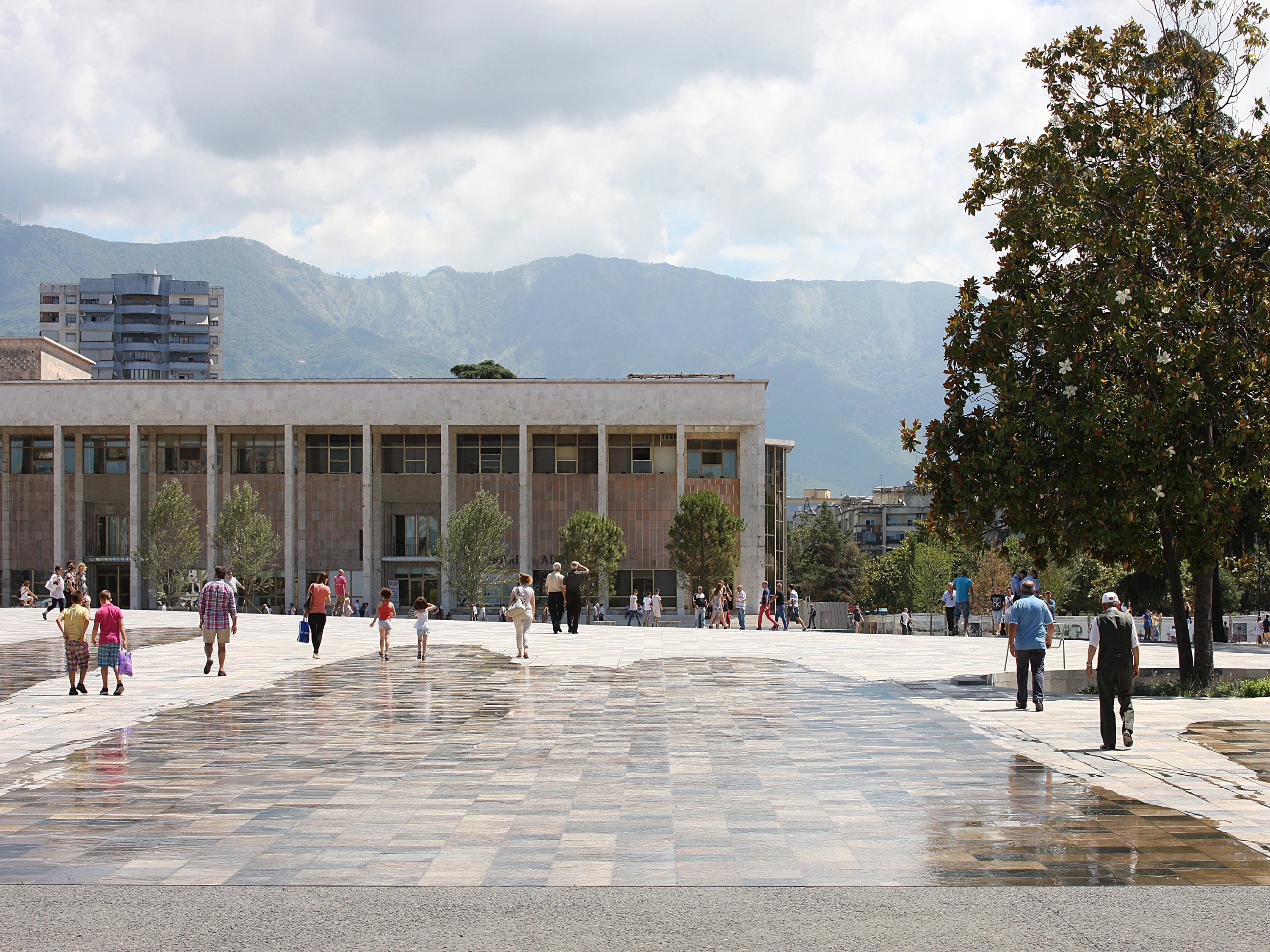
Give the centre back to people on foot.
Both reconsider how much public space is organised around cars. A neighbourhood network and a central square require different decisions about access, deliveries and everyday use.
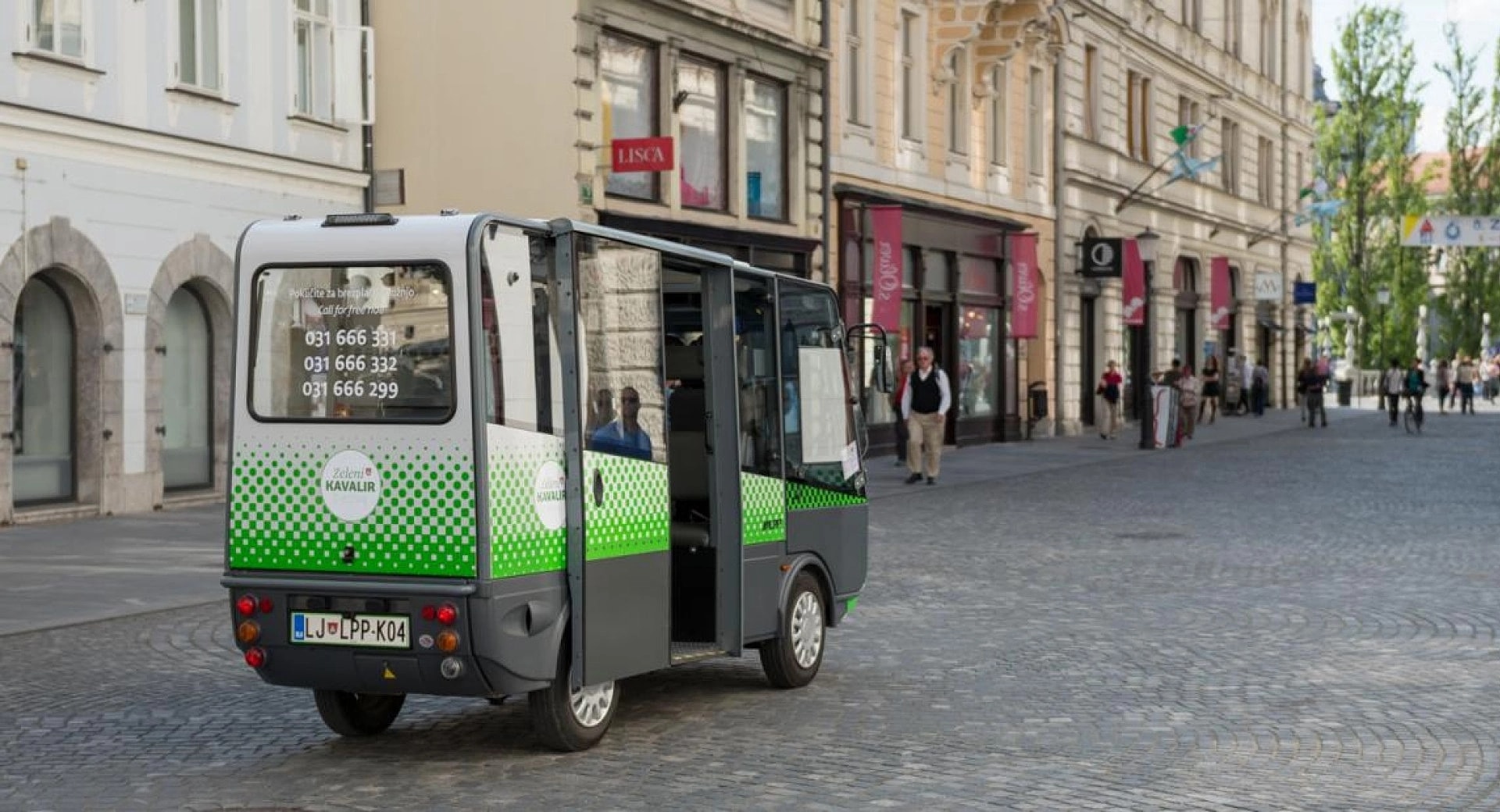
Keep a pedestrian centre reachable.
Making streets pedestrian-friendly still leaves journeys that need support. Compare a redesigned street network with a small electric transport service inside a pedestrian area.