Energy, where you least expect it.
Between railway tracks, beneath the ground, inside a wave. Six different relationships with energy and the places around it.
Explore the 3 connections
Make the second use fit.
Sun-Ways tests removable solar panels between working railway tracks. CopenHill adds recreation to the roof and façade of a waste-to-energy plant. One remains a rail pilot; the other is a built public destination. Sharing a footprint means resolving maintenance, safety and access for both uses.
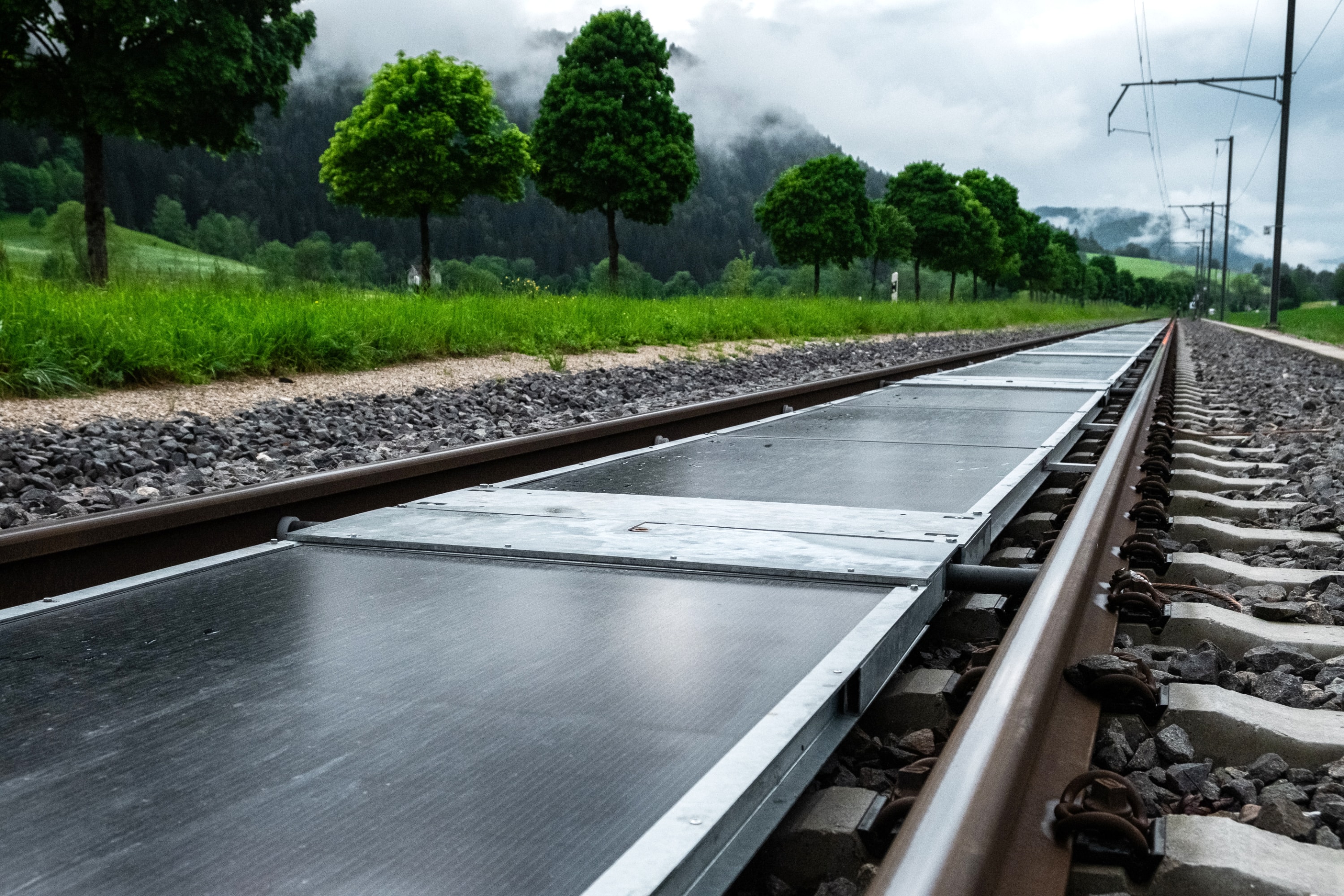
A second use for a working railway.
Read story ↗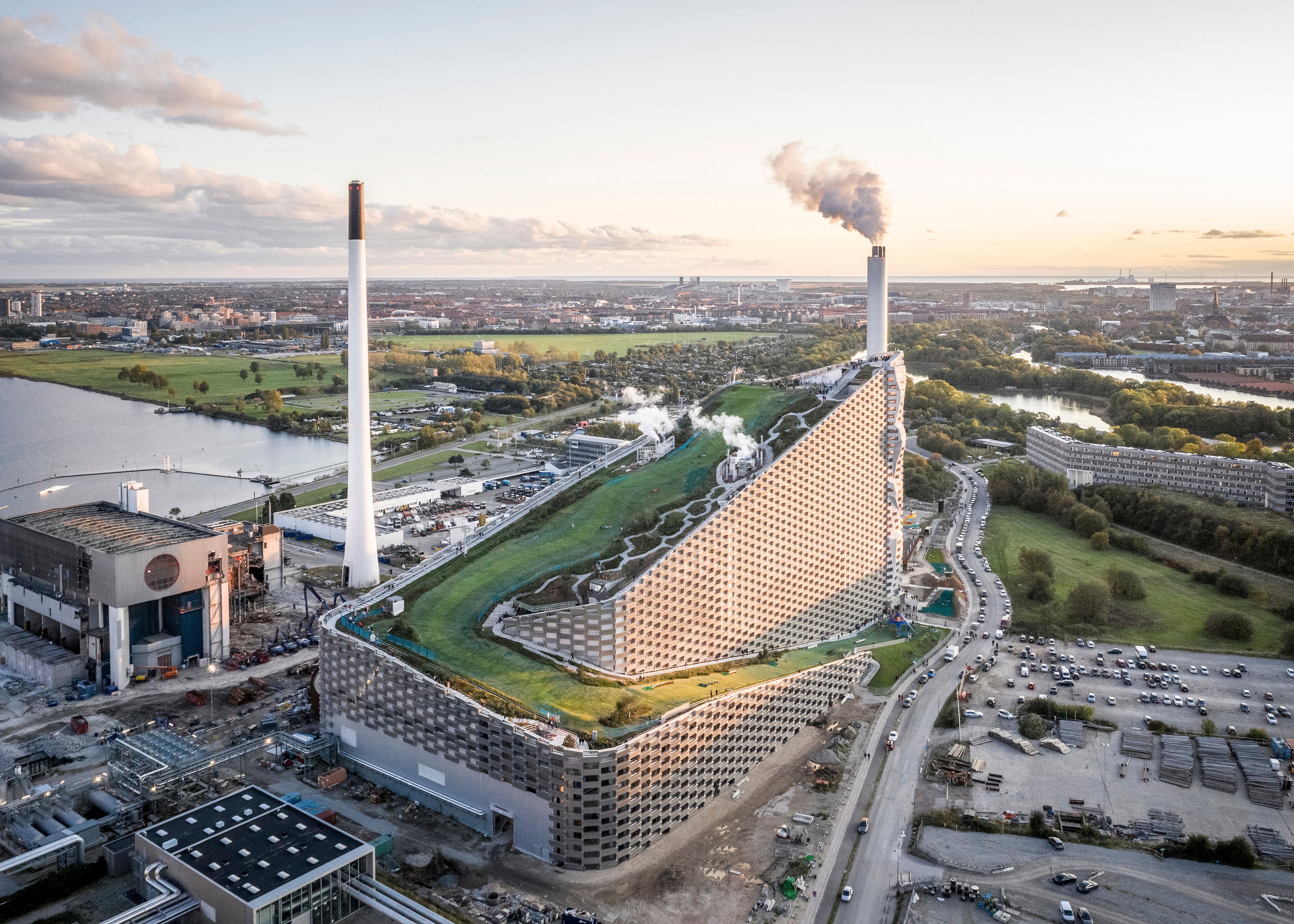
Ski on the city’s infrastructure.
Read story ↗A second use for a working railway.
A Swiss pilot places removable photovoltaic panels between the rails of an operating passenger line, testing energy production alongside railway maintenance.
Read the storySki on the city’s infrastructure.
Copenhagen puts skiing, hiking and a climbing wall on a working waste-to-energy plant. One industrial footprint gains a public life.
Read the storyA thought to take with you
Can the first job still be done safely when the second use needs attention?
Design for the difficult condition.
Eavor’s Geretsried project engineers a circulation path through hot rock. CorPower’s C4 changes how it responds to ordinary waves and severe seas. Different resources create different operating challenges. Construction limitations and survival behaviour are as informative as the promise of output.
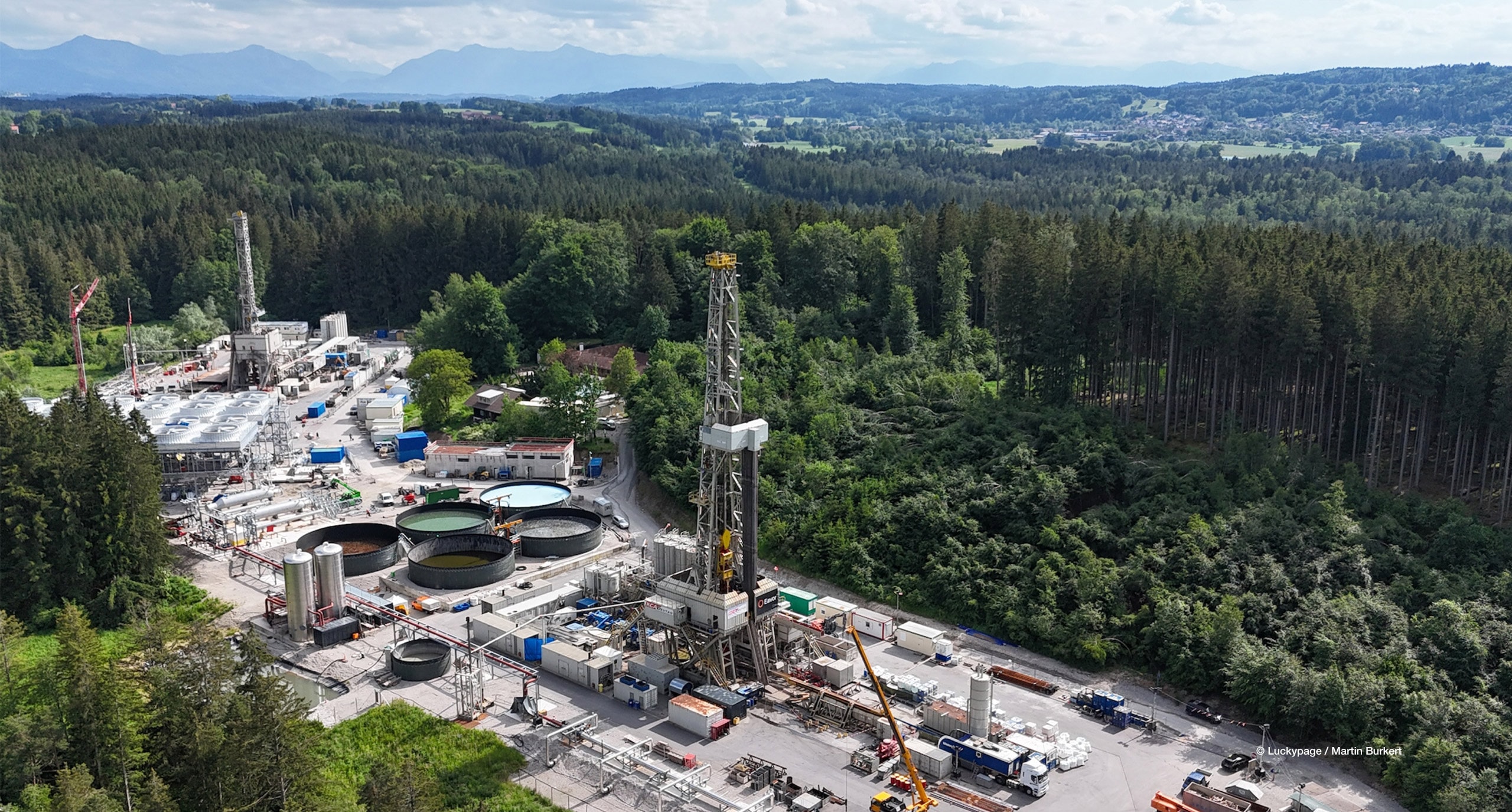
Geothermal heat, in a closed loop.
Read story ↗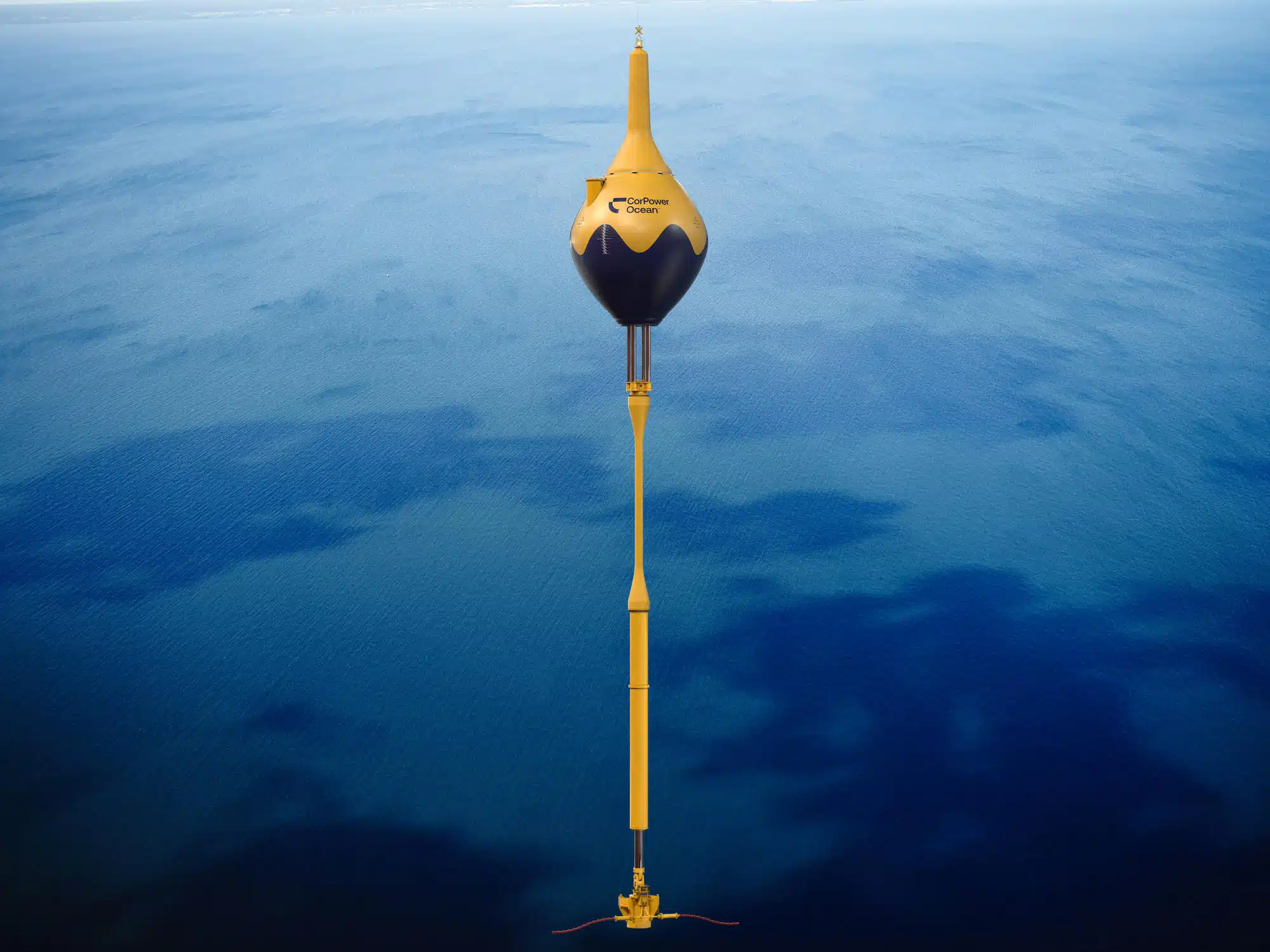
A wave machine with two responses.
Read story ↗Geothermal heat, in a closed loop.
At Geretsried, a Canadian-developed system circulates fluid through deep connected wells to gather heat without relying on a naturally productive underground reservoir.
Read the storyA wave machine with two responses.
Sweden-developed CorPower C4 was tested in Portugal with control modes for capturing ordinary waves and limiting movement in extreme seas.
Read the storyA thought to take with you
Which operating condition is hardest, and what evidence covers it?
Define what the place needs.
Rjukan’s mirrors bring sunlight to a shaded town square. PROTEAS investigates how solar heat, storage and other technologies work together. The mirrors redirect daylight rather than generate electricity; the research facility tests integration rather than supplying a commercial water service. A useful result starts with the right question.
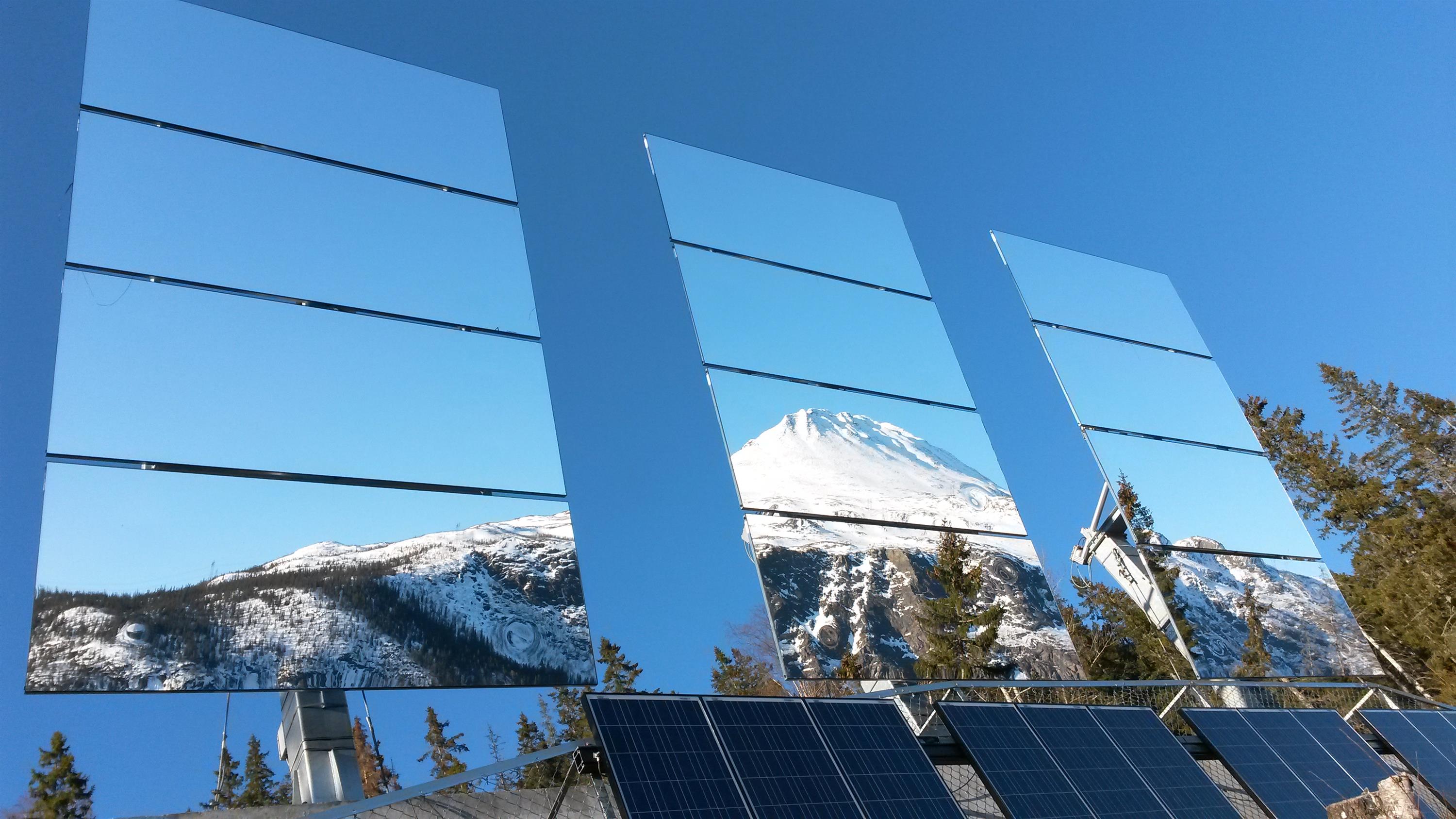
Winter sunshine, redirected.
Read story ↗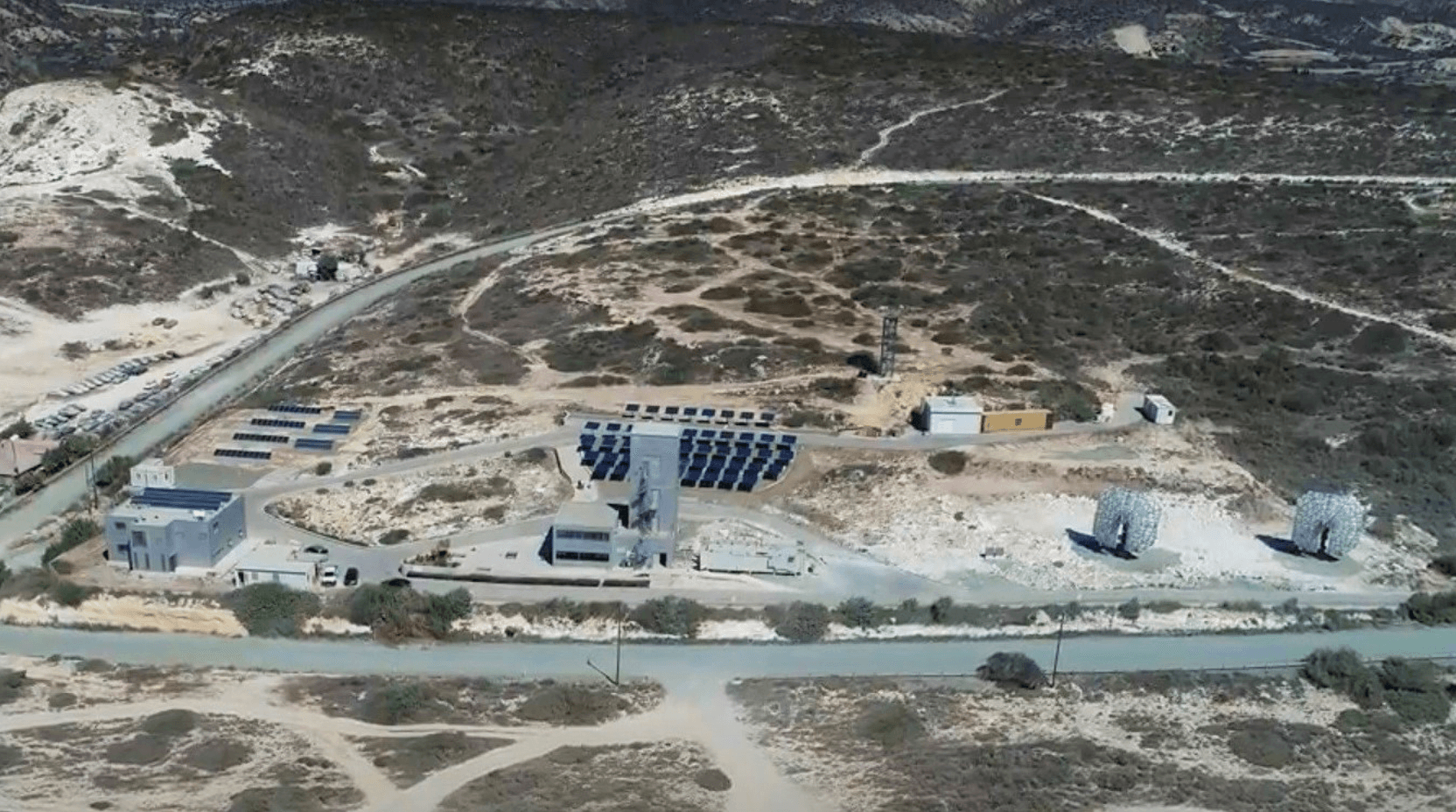
A place to test what solar heat can do.
Read story ↗Winter sunshine, redirected.
Three tracking mirrors above Rjukan send sunlight into the town square when the surrounding mountains keep the valley floor in shade.
Read the storyA place to test what solar heat can do.
At Pentakomo in the Republic of Cyprus, PROTEAS brings concentrated solar heat, thermal storage and desalination research into one experimental facility.
Read the storyA thought to take with you
Is the need electricity, heat, daylight or knowledge about how a system behaves?
What can a place offer—and what must a new use respect?
Familiar places can hide useful sources of energy. Each idea still has to prove itself in the conditions where it will work.