Small fixes. Big difference.
A key, a zipper, a hearing aid. Six ideas that begin by noticing an ordinary frustration.
Explore the 3 connections
Work with what people already use.
DEAFMETAL adds a choice of expression around a hearing device. Keywing changes how a hand meets a key. Both work around an existing object, but answer different needs: personal identity in one case, physical grip in the other. Compatibility is part of the design in both.

A hearing aid can be part of your style.
Read story ↗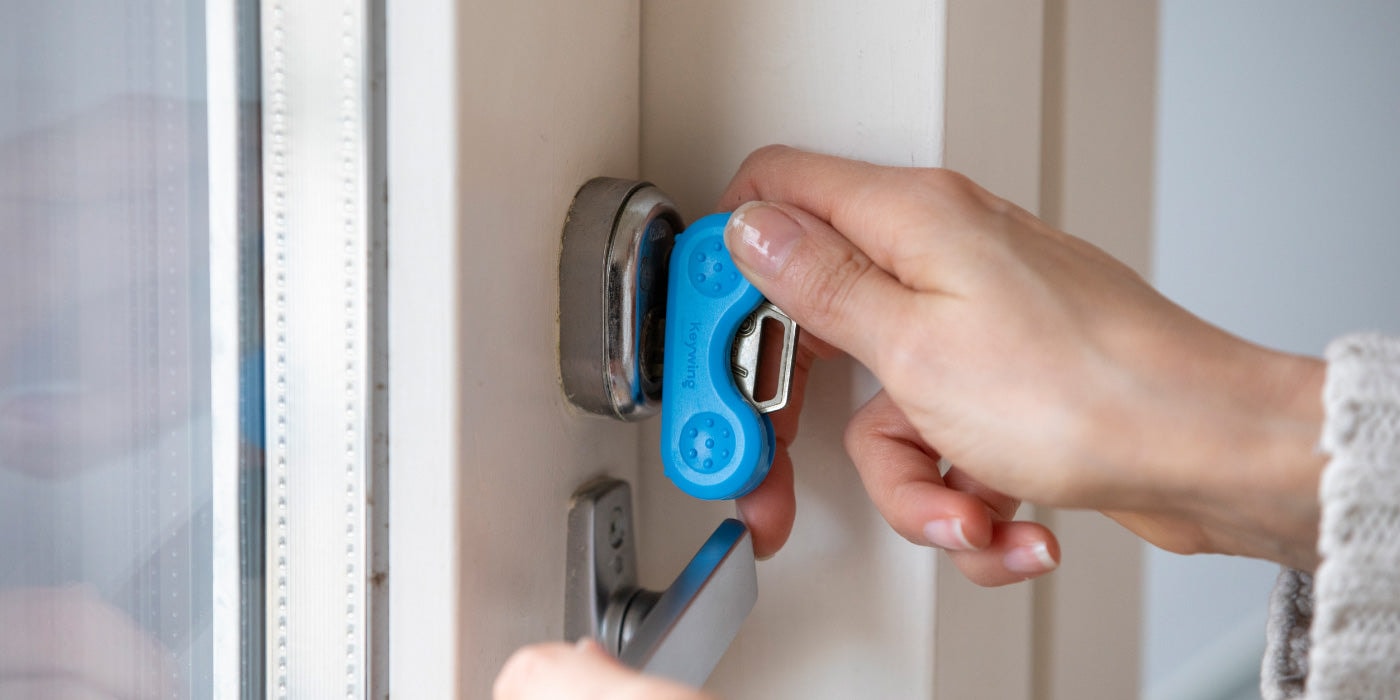
A better grip on an ordinary key.
Read story ↗A hearing aid can be part of your style.
A hearing aid becomes something its wearer can choose to display as jewellery.
Read the storyA better grip on an ordinary key.
A small wing gives an ordinary key more surface to grip and more leverage to turn.
Read the storyA thought to take with you
Does the attachment fit the person’s task as well as the existing object?
Stay close to the point of failure.
ZlideOn replaces a failed zipper slider instead of the whole zipper. Guppyfriend catches released fibres during a wash. One extends use; the other manages a by-product of use. Neither removes the need to check the fit, follow instructions or deal with what remains.
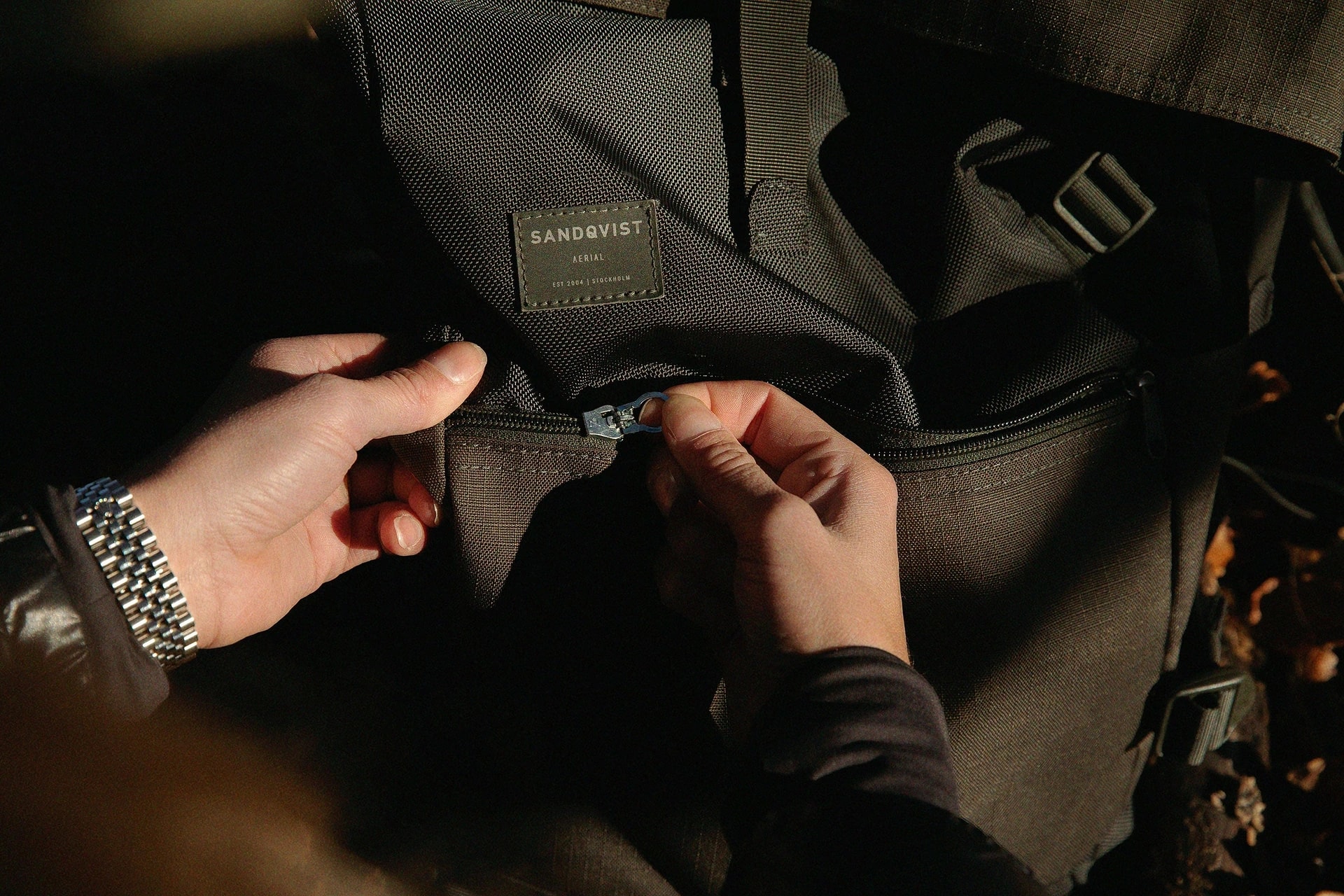
A tiny repair with a much bigger effect.
Read story ↗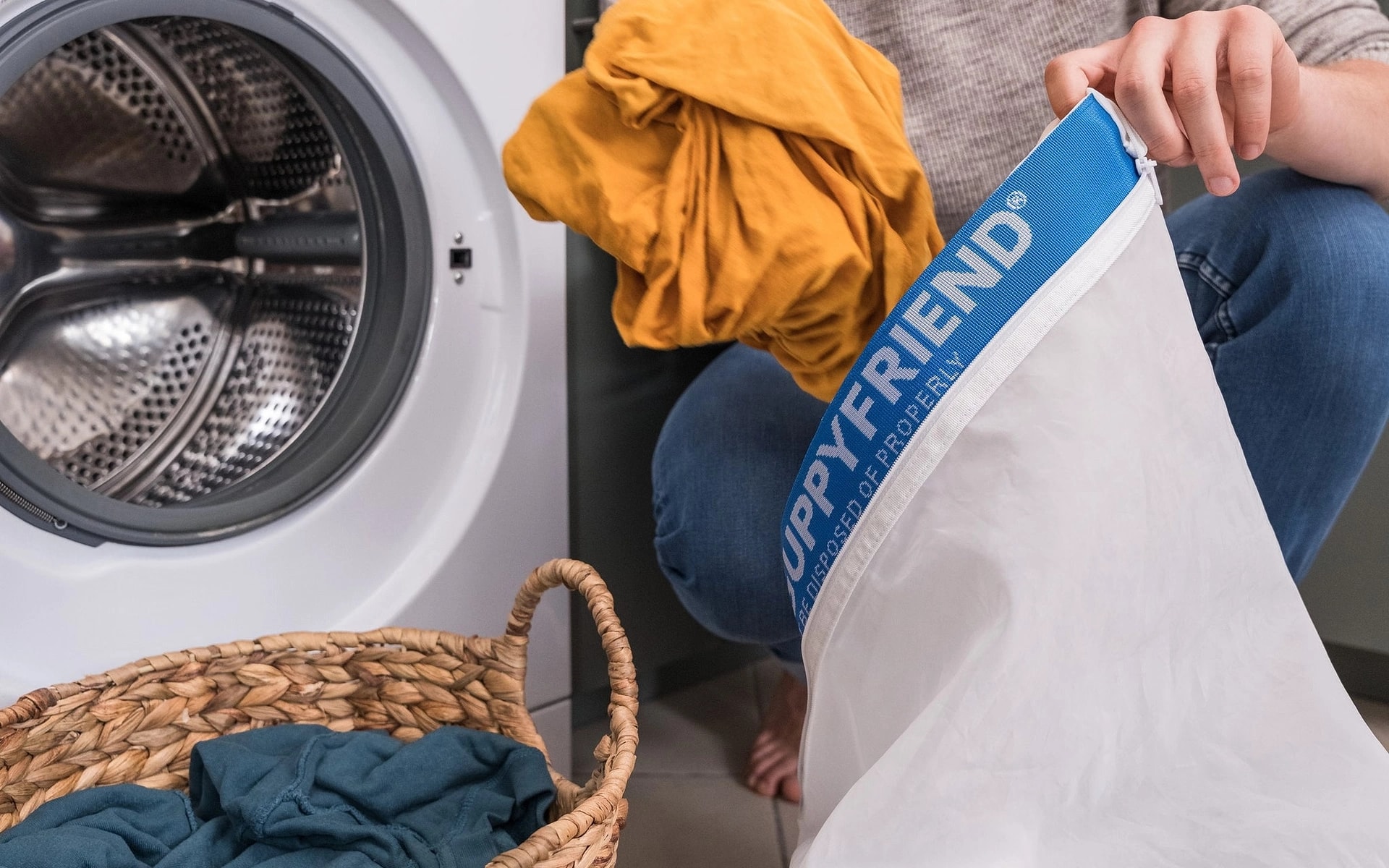
Catch fibres before they leave the wash.
Read story ↗A tiny repair with a much bigger effect.
A broken zipper slider can be replaced without stitching in a whole new zipper.
Read the storyCatch fibres before they leave the wash.
A washing bag puts a small barrier between synthetic clothing and the drain. GUPPYFRIEND combines protection from abrasion with a place to collect released fibres.
Read the storyA thought to take with you
At what point in use does the problem arise, and can a small intervention act right there?
Use a flow that is already there.
Reelight uses a moving bicycle wheel to power its light. Joulia transfers warmth from departing shower water to the incoming supply. Both connect an existing flow to a nearby need. Their usefulness depends on the right installation and operating conditions, not simply on the presence of movement or heat.
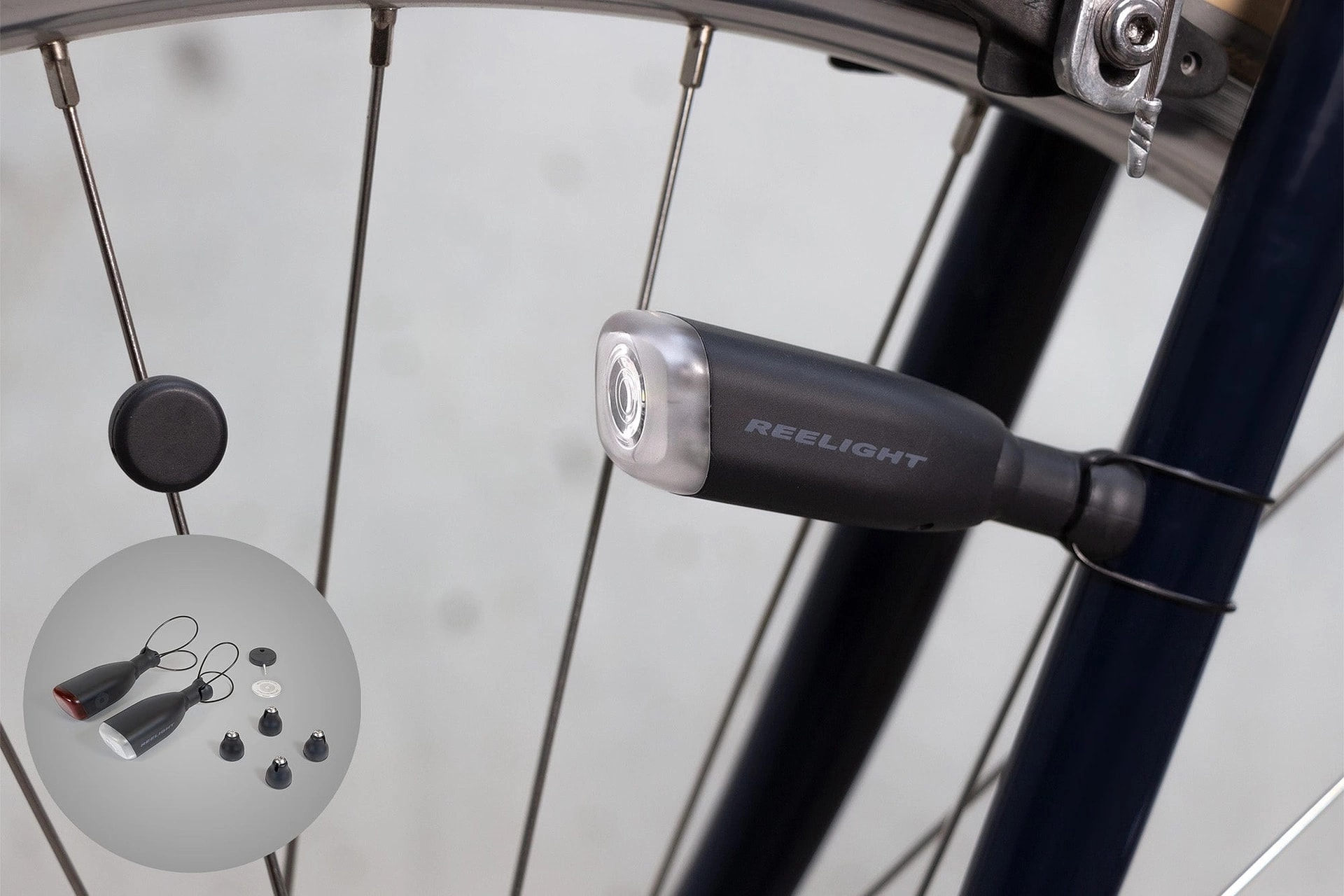
Make visibility part of the pedal stroke.
Read story ↗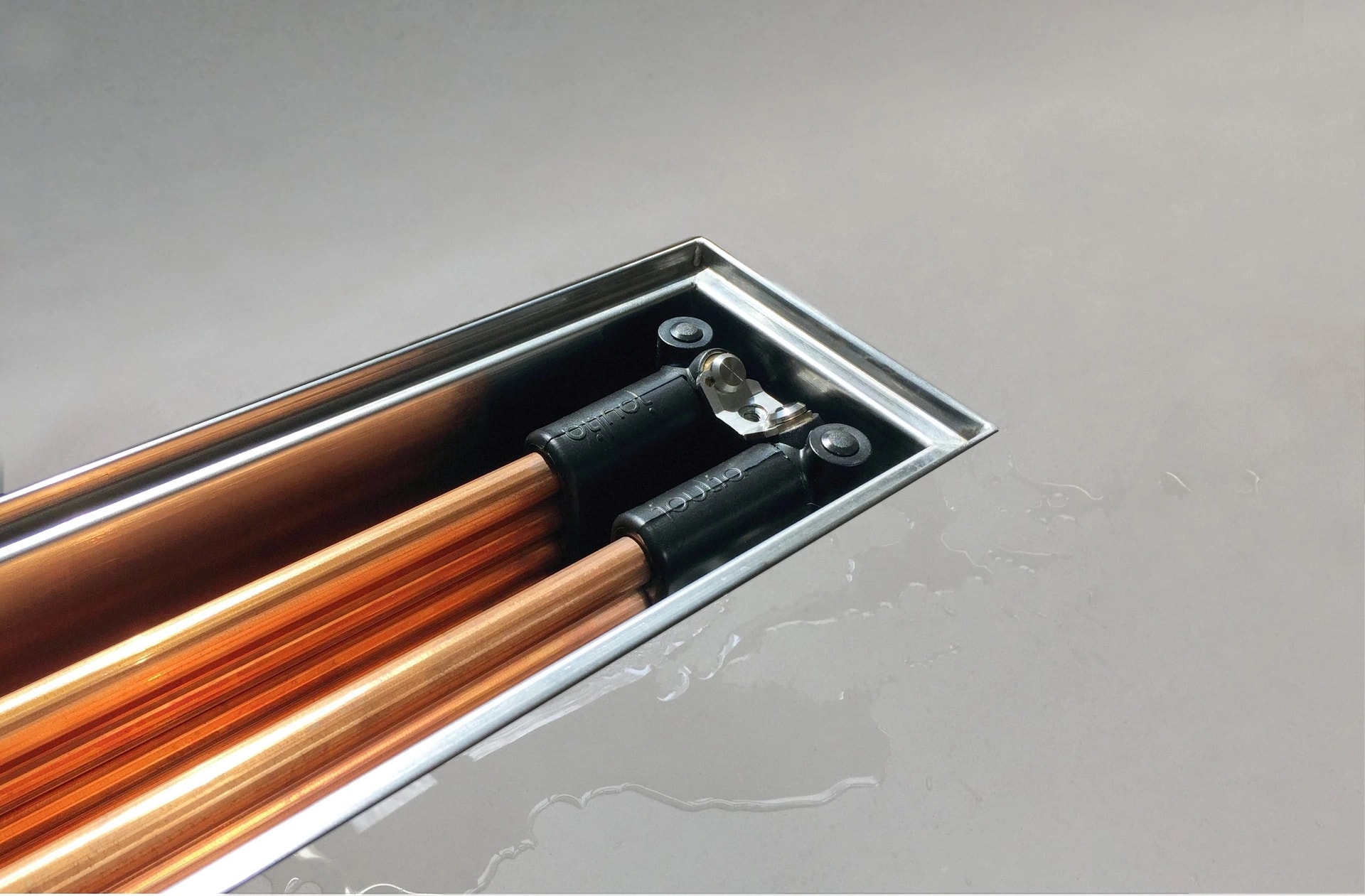
Recover the heat before the water leaves.
Read story ↗Make visibility part of the pedal stroke.
The bicycle’s turning wheel powers its visibility lights. There is no separate charging routine for the rider to remember.
Read the storyRecover the heat before the water leaves.
A shower drain recovers heat from outgoing water to warm the clean water arriving at the same time.
Read the storyA thought to take with you
What useful input is already available during use, and what equipment is needed to capture it?
Which small difficulty has become so familiar that we stopped noticing it?
A small change can matter when it makes a familiar task easier. Start with the person using it.