A power plant with a piste.
A large piece of city infrastructure usually gives very little of its space back to the people around it. At Copenhagen’s Amager Bakke, you can take the lift to the roof and come down on skis.
 DK Denmark
In practice. Public recreation is built into the roof and façade of Copenhagen’s operating Amager Bakke waste-to-energy facility.
What to keep in view
Public recreation does not establish that waste incineration is circular or emission-free. Activities, booking requirements and access conditions can change; check the operator before visiting.
Two lives in one building
CopenHill occupies the roof and façade of Amager Bakke, a waste-to-energy facility supplying electricity and district heating. Its sloping roof supports skiing and walking routes; a climbing wall adds another way up the building. Industrial equipment and public recreation share the same address.
The surprising move is spatial. A surface normally treated as the edge of a technical building becomes usable terrain. In a flat city, the structure also provides an unusual change in elevation and a view across Copenhagen.
Public space needs an operator
The recreation operator offers free access to the rooftop and hiking routes during opening hours. Skiing has its own tickets, equipment and booking arrangements. The distinction matters: being a publicly accessible roof does not make every activity free or every part of the industrial site open.
Weather, plant operations and maintenance can affect access. These practical conditions are part of the design, alongside the striking silhouette. A second use needs routes, staffing and a workable relationship with the building’s first use.
A roof worth reconsidering
Our reading: CopenHill makes a useful question visible. Where could a city’s existing technical spaces support another public purpose? The answer might be a roof, a sheltered edge or a route through a site, shaped by local needs and safety.
The recreation does not settle the environmental questions around waste incineration. Fuel supply, emissions and waste prevention still require their own evidence. The transferable idea is to examine the space infrastructure occupies and ask what else it could responsibly make possible.
Read next.
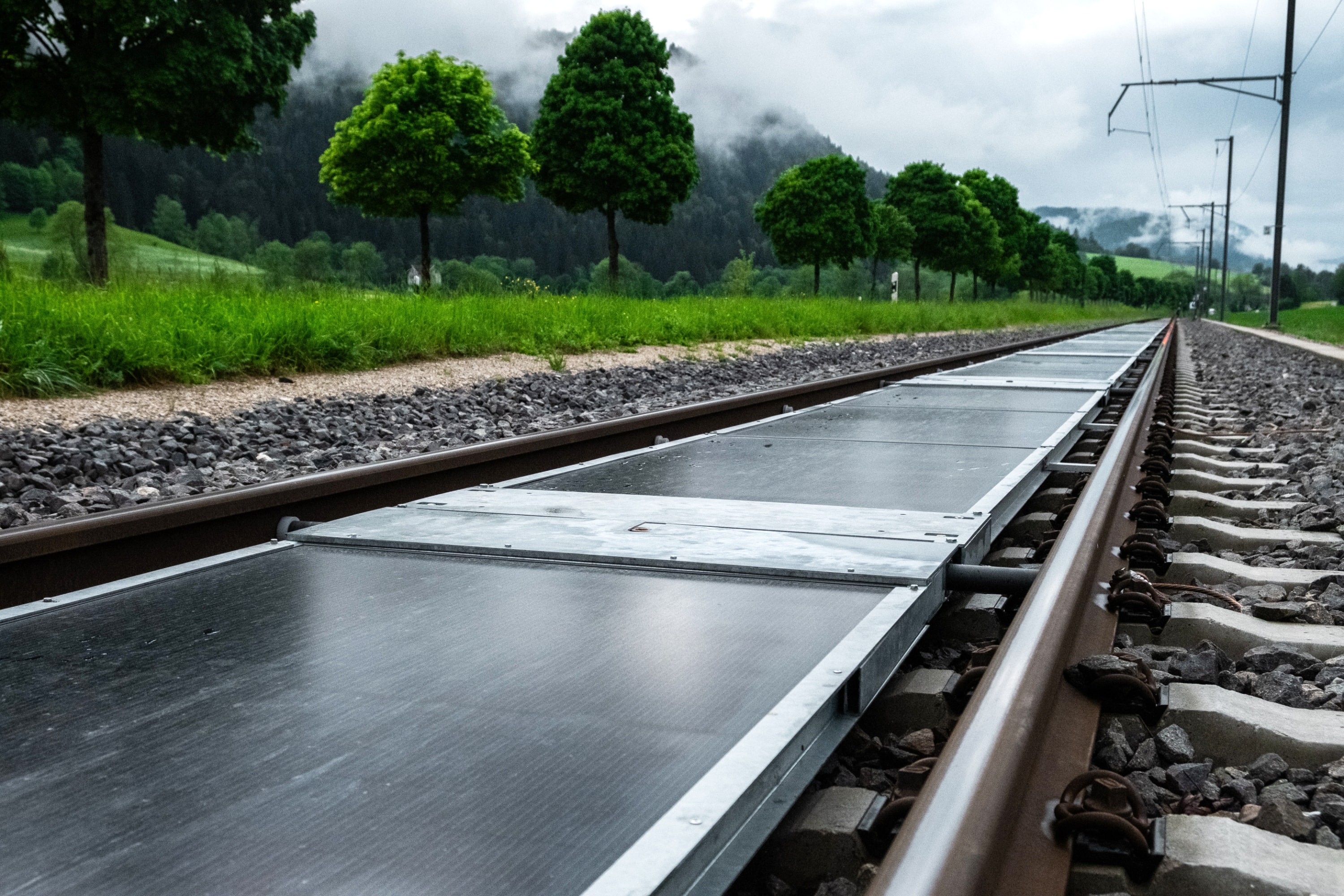
A second use for a working railway.
Both add a second use to working infrastructure. The crucial question is how the original job continues alongside the new one.
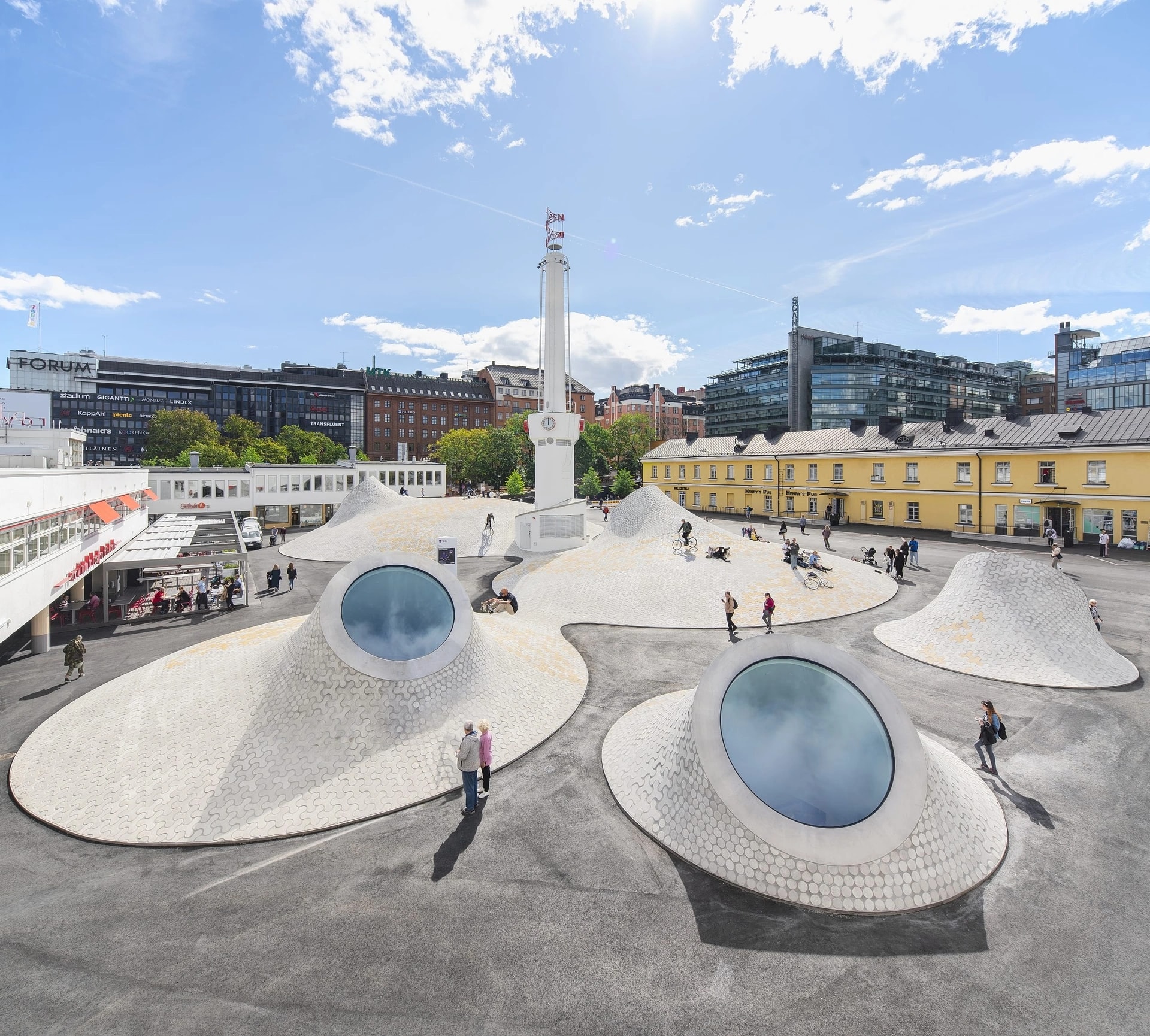
An art museum, with public life above.
A building’s upper surface becomes a public destination. Compare the roof of a cultural institution with the roof of working energy infrastructure.