A town in the shade borrows a little sunlight.
The sun is shining. It simply cannot reach the square. In Rjukan, a small piece of public infrastructure changes where that light lands.
 NO Norway
In practice. Three computer-controlled mirrors opened in 2013, reflecting sunlight into a defined part of Rjukan’s central square.
What to keep in view
The destination accounts establish the installation and its intended operation. They do not establish continuous winter availability or measured health benefits. Weather, alignment and maintenance affect the reflected light.
A hundred-year-old idea, made tangible
Visit Telemark traces the idea to industrialist Sam Eyde in 1913. Artist Martin Andersen revived it in 2005, and the installation opened in 2013. Three mirrors on the mountainside follow the sun and direct its rays down into the town.
The installation creates a shared patch of sunlight in the square. It does not light the whole valley, and it depends on the sun being available above the mountain shadow.
A modest intervention with a public address
Our reading: its appeal comes from specificity. Instead of attempting to change the valley, the project makes one useful meeting place within it. The engineering and the social purpose are easy to understand together.
That focus is worth borrowing. A limited intervention can have a clear purpose without being presented as a complete solution to a place’s conditions.
Read next.
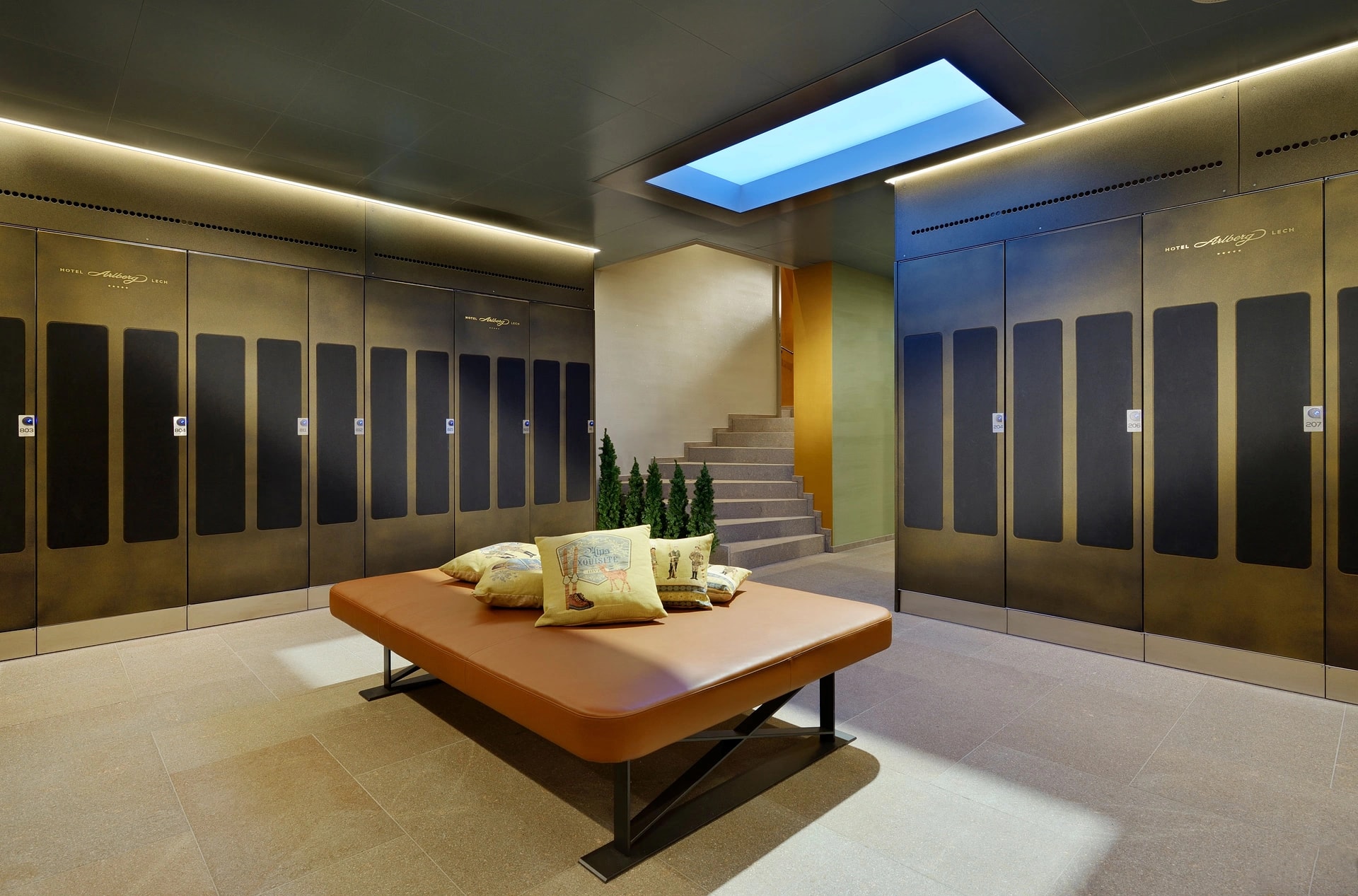
A sky-like light inside a room.
Two responses to missing sunlight: redirect actual daylight, or reproduce selected visual cues with optics. The energy and perceptual effects differ.
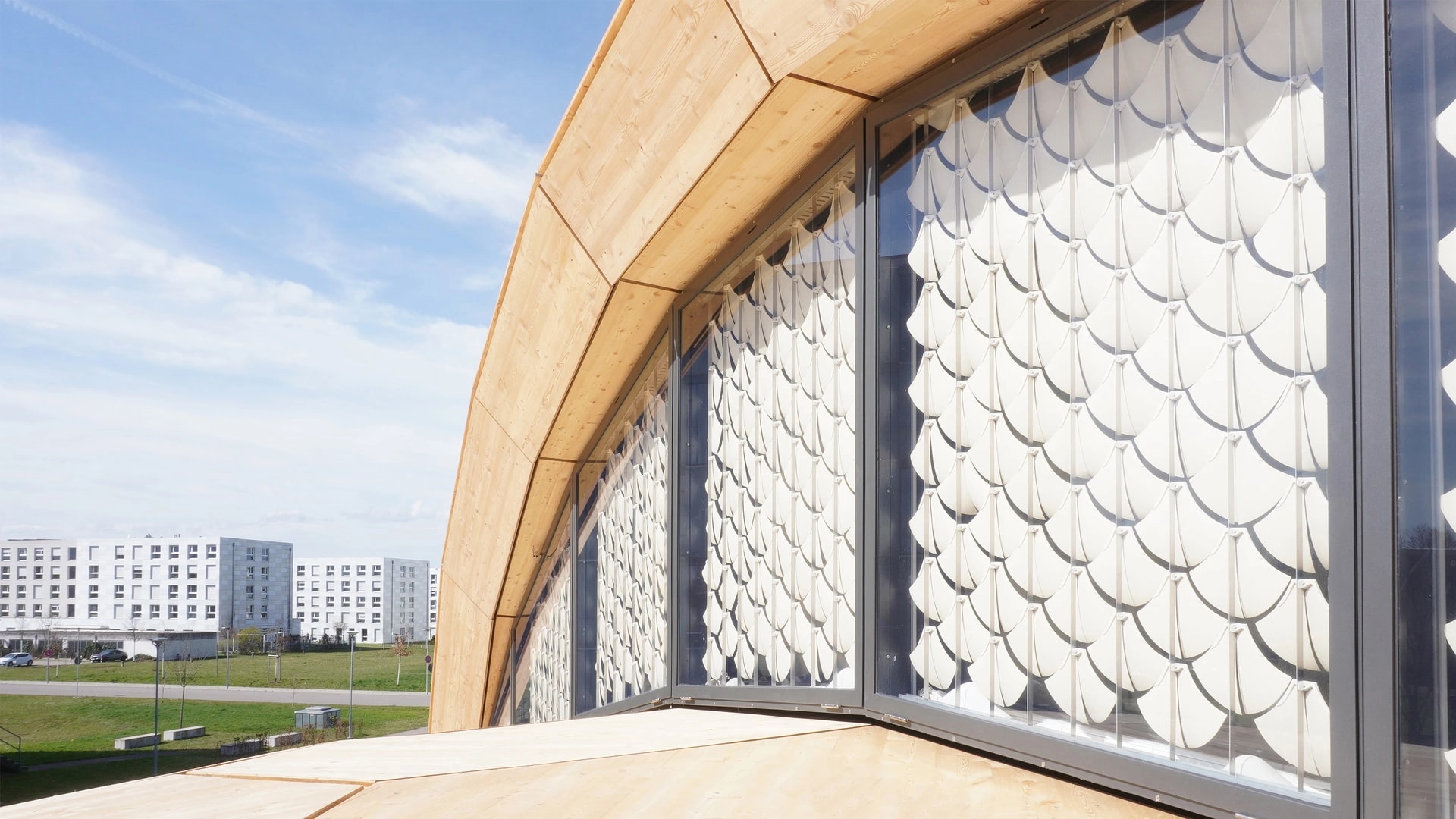
A façade that responds without a motor.
Both respond to environmental conditions at a building or public space. Redirecting sunlight and using humidity to change a shade’s shape involve different kinds of control.