Carve a future for a living craft.
A craft survives through people continuing to practise it. Zanat brings Konjic woodcarving into contemporary furniture, connecting a family workshop’s knowledge with new designers and customers.
 BA Bosnia and Herzegovina
In practice. A furniture business rooted in Konjic hand carving. Contemporary design collaborations give the workshop tradition a continuing production context.
What to keep in view
Contemporary products can sustain a craft only if skilled makers, training and fair production arrangements remain part of the system.
Make the hand process part of the design
Zanat’s history traces the family workshop to 1919 and describes its reopening after the Bosnian war in 1995 under the name Rukotvorine. The later Zanat business brought that carving tradition into collaborations with contemporary designers. The company records Orhan Nikšić joining his brother Adem in the business in 2016.
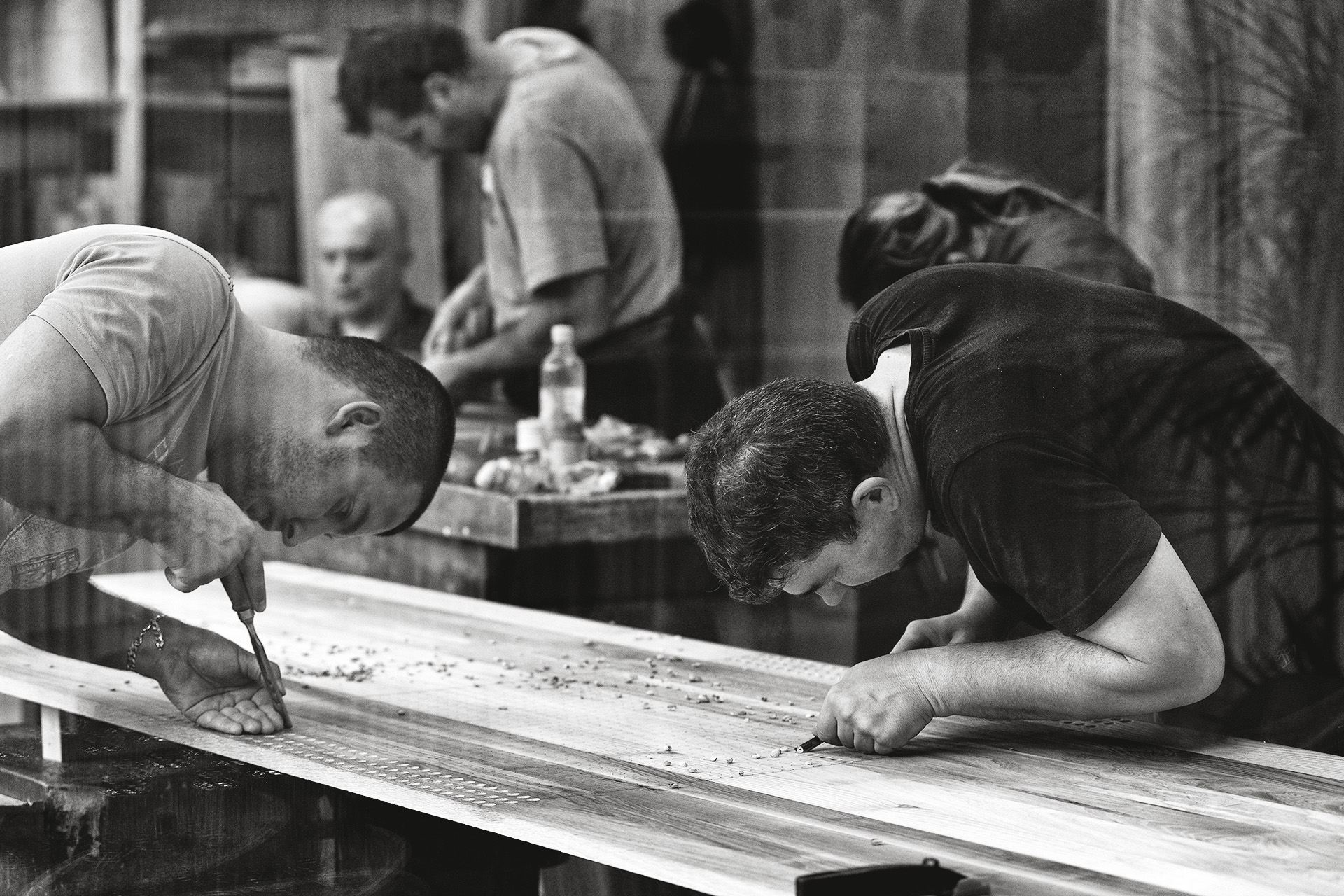
The carved surface is not simply a printed reference to a traditional pattern. Making the furniture requires people who can work the wood by hand and translate a design into texture. That ties the finished object to a skill and a place, even as the furniture takes on contemporary forms.
A 2025 Wallpaper workshop visit describes contemporary CNC production alongside hand carving, with experienced craftspeople and younger apprentices working in Konjic. The combination makes clear that preserving a hand skill need not mean freezing the entire manufacturing process in the past.
Preserve the conditions for skilled work
Our reading: an archive can record a craft, but continuing production gives practitioners a reason to use and pass on their knowledge. Design commissions, workshop capability and demand for the finished pieces all contribute to that continuity.
The difficult balance is to develop new work without treating inherited skill as an interchangeable decorative effect. A company’s success is also not a measure of the health of every workshop in the region. The example is valuable as a way of connecting heritage with a present-day business, rather than as proof that a craft’s future has been secured.
Read next.
An archive can still have work to do.
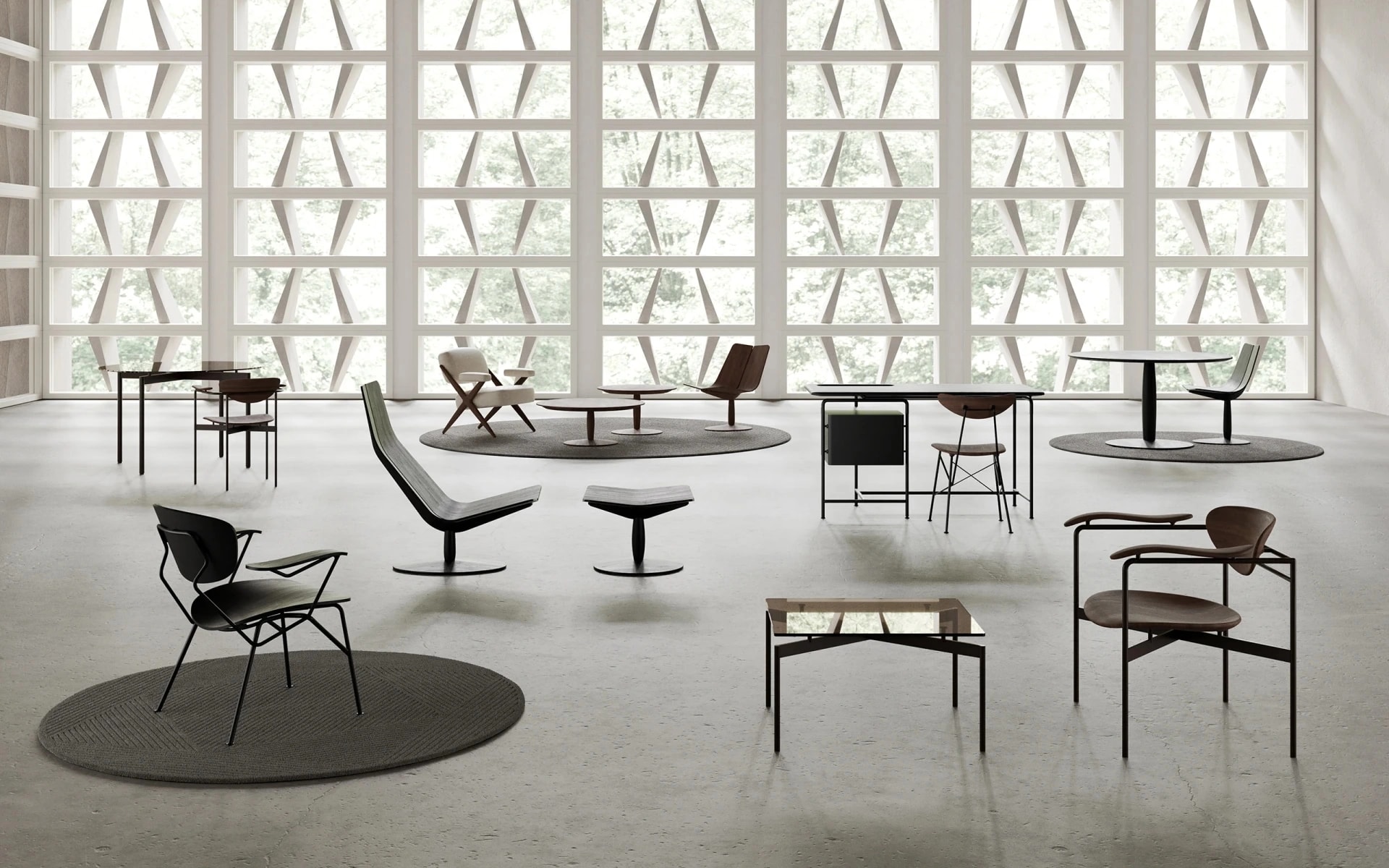
Both connect furniture with inherited knowledge. Archival design research and a living woodcarving tradition require different forms of authorship and care.

A rigid surface learns to fold.
Both give a wooden surface a distinctive role through fabrication. Traditional carving and digitally defined folding joints connect material knowledge with very different kinds of authorship.