A building can be a sequence of changeable sections.
A workshop that builds interiors and exhibitions approaches a house through a different unit of construction. Wikkelhouse is made in sections that can be joined, separated and moved. Its wrapped-cardboard origin is memorable, but the more useful idea is a building whose future need not be fixed by its first assembly.
 NL Netherlands
In practice. A Dutch modular building system with accommodation documented in 2016; current construction combines wood, cardboard and flax.
What to keep in view
The current house is not entirely cardboard or established as fully biodegradable. Site preparation, utilities and local approvals remain outside the simple image of wrapping a house.
Choose a useful repeatable unit
Fiction Factory's Wikkelhouse uses factory-made sections approximately 1.2 metres deep. Sections connect to form spaces of different lengths, with dedicated kitchen and bathroom modules. Stayokay documented opening Wikkelhouse accommodation in 2016. Current construction combines wood, cardboard and flax rather than being a house made entirely from cardboard.
A building can be organised as a sequence of reusable sections instead of a single permanent assembly.
Keep future changes buildable
Our reading: the production method changes what counts as a building block. A repeatable cross-section can support different arrangements and later movement, while service modules handle functions that cannot be reduced to an empty shell. Reversibility depends on those connections remaining usable, not only on lightweight materials.
Choose a repeatable unit around the changes that are likely to happen later. Make structure and services separable enough to support those changes. Fast factory assembly does not remove the need for a suitable site, utilities, approvals or a plan for maintenance.
Read next.
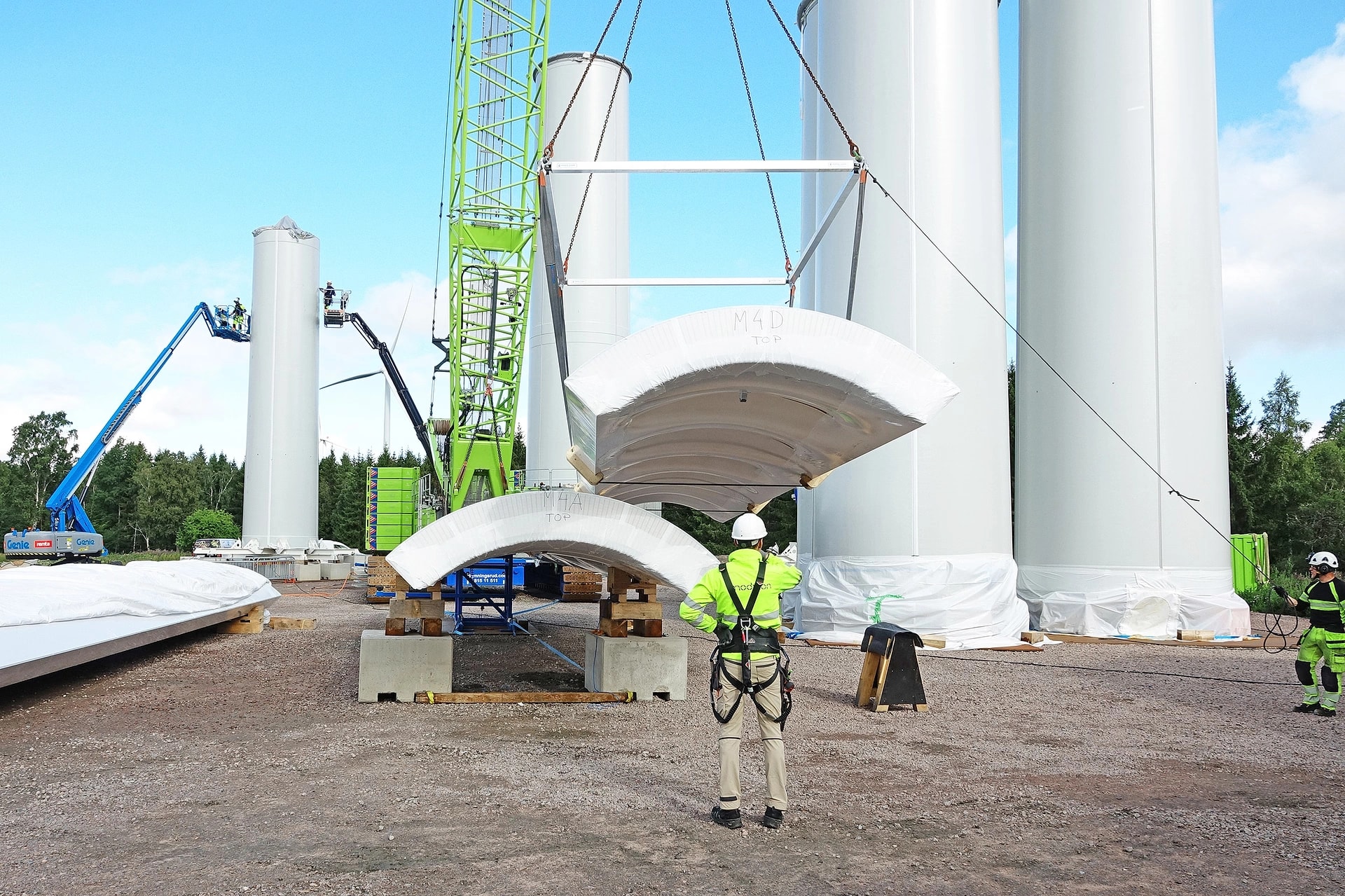
A wind tower made of wooden modules.
Both use repeatable sections to make a larger structure. Transport, assembly and connections shape the final building system.
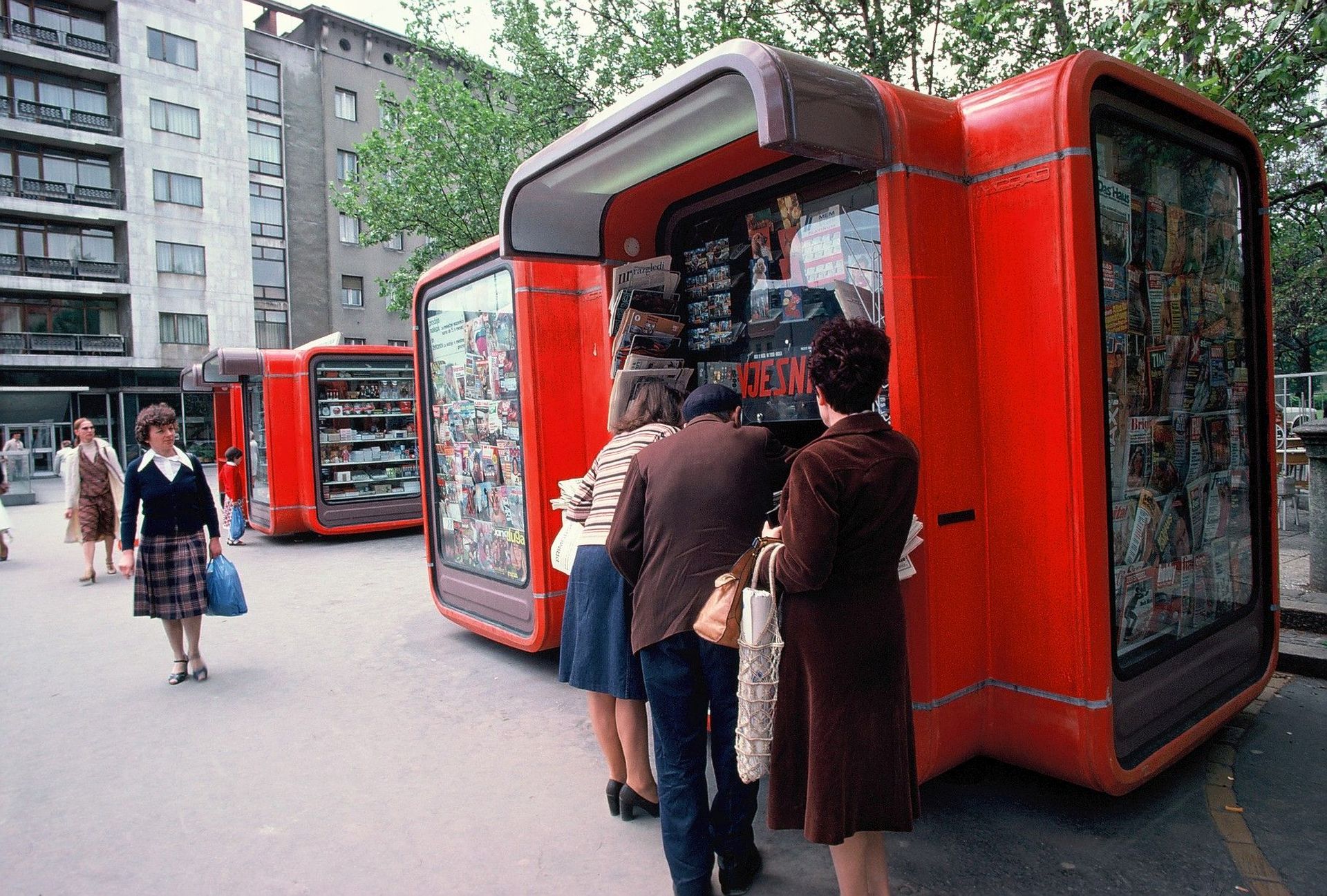
A kit for the everyday street.
Both start with a repeatable spatial unit. Compare reconfigurable building sections with a modular street-service kiosk.