A tiny building with more than one possible life.
The K67 is a recognisable object with an open-ended job. Its compact shell can hold different services, while connecting modules lets the small structure grow.
 SI Slovenia
In practice. A historical manufactured design originating in 1966, preserved in museum collections and still encountered in adapted and restored forms.
What to keep in view
The historical design is not evidence of compliance with present accessibility, energy or building rules. Restored units should not be described as an unchanged current manufacturing programme.
Design the unit and the combinations
The system uses reinforced polyester shells with metal and glass. Mächtig developed modules that could support vending and local services without prescribing one business.
MoMA’s collection dates the design to 1966. Slovenia’s cultural account places it within the country’s history of industrial design and everyday urban life.
Small infrastructure can shape a place
Our reading: the kiosk acts between furniture and a building. Its repeatable form makes a local service visible and gives the street a recognisable point of exchange.
Its continuing appeal does not require presenting it as a new invention. Historical designs can reveal useful principles when their original context stays visible.
Read next.
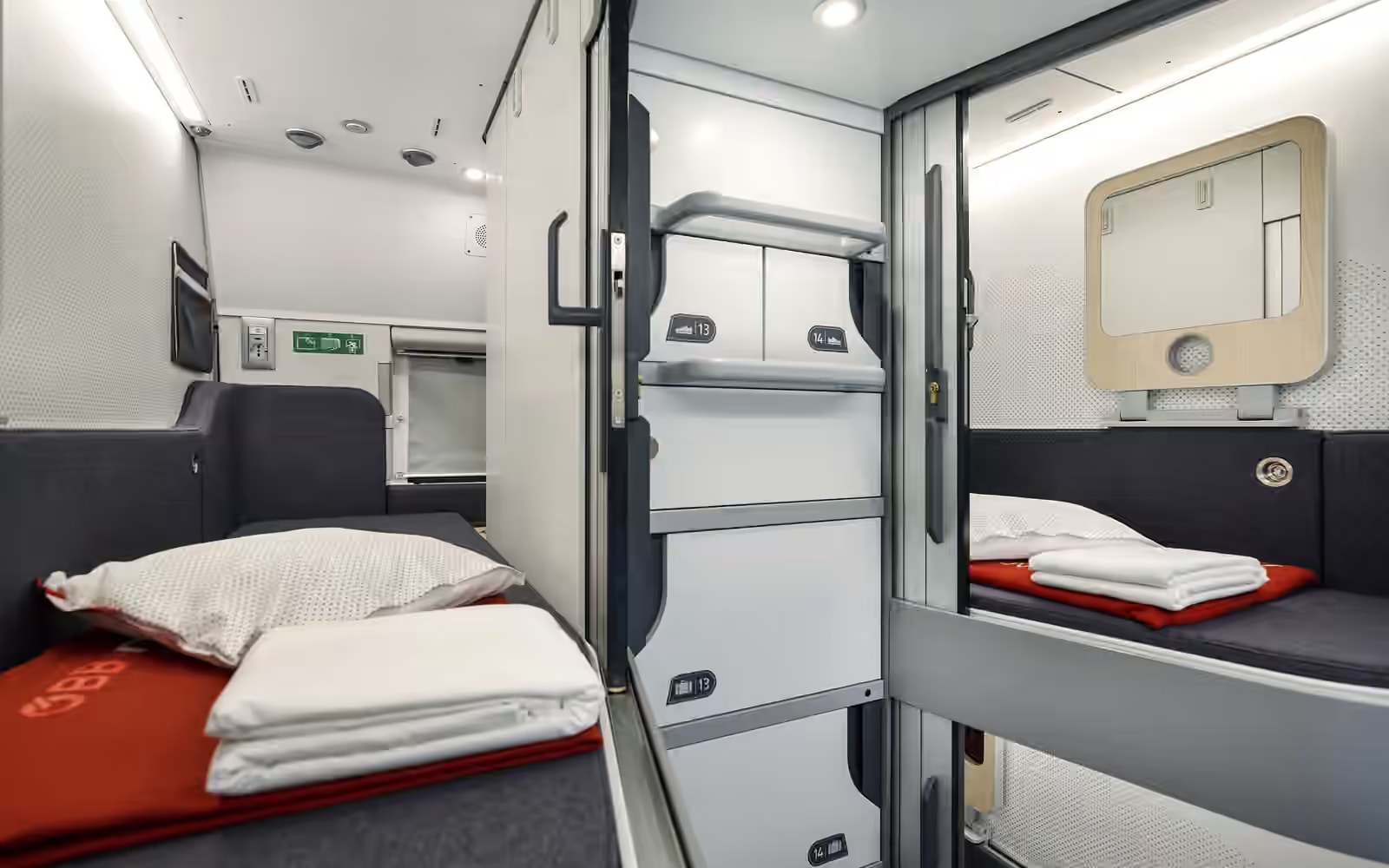
A room for one. A train for many.
Both organise a small volume around a specific human encounter. Compare a modular street service with an individual sleeping space.
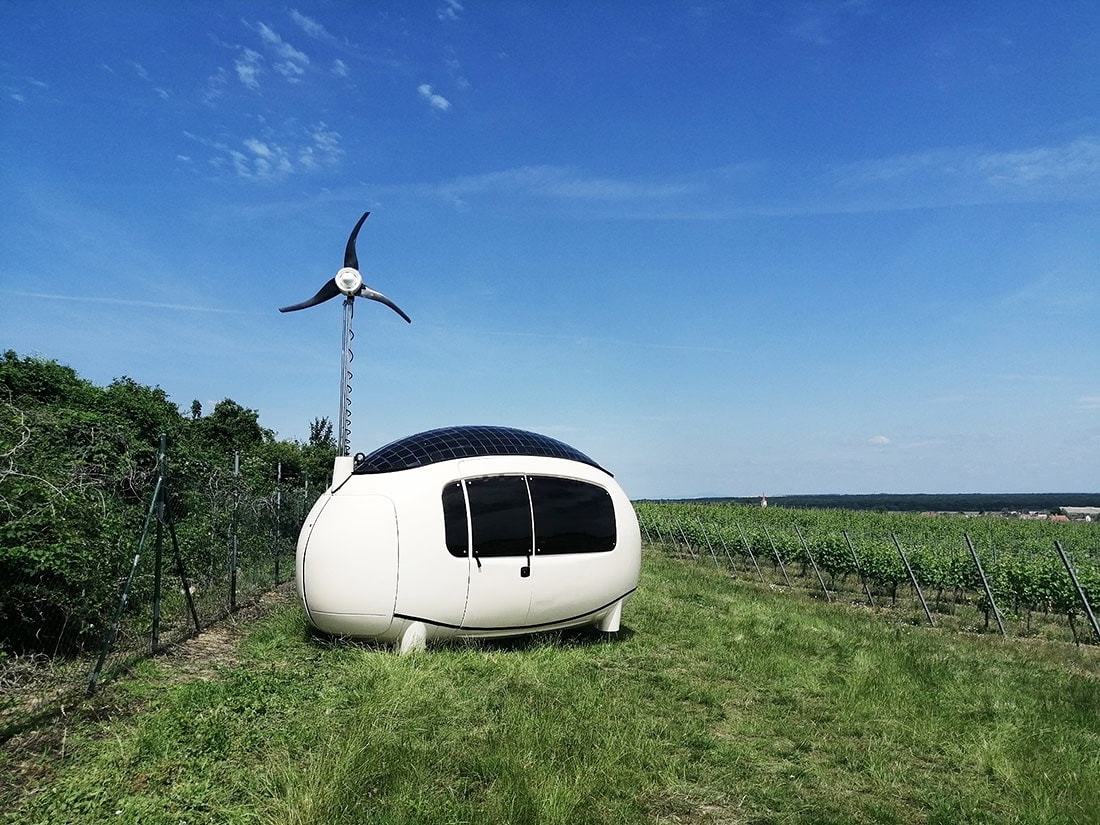
Bring the services with the shelter.
Two compact manufactured spaces with different demands: a repeatable street kiosk and a pod designed around integrated off-grid systems.