Read a burned scroll without unrolling it.
The Herculaneum scrolls survived as fragile carbonised objects. The Vesuvius Challenge asks whether their writing can be recovered from scans while the physical layers stay in place.
 IT Italy
In practice. An international research programme launched in 2023. Its published prize results document recovered passages from previously unreadable material.
What to keep in view
Recovered passages are not proof that all surviving scrolls are readable. Segmentation, damage and faint ink remain difficult, and some stages still need extensive human work.
Make the hidden surface readable
High-resolution scans capture the scroll’s interior. Researchers then identify and virtually flatten its folded surfaces before models search for traces of ink.
Earlier physical unrolling left fragmented sheets, such as the historical material pictured here. The modern challenge publishes scans, tools and prizes so teams can improve a digital route to the writing; papyrological interpretation remains essential.
Share the difficult intermediate work
Our reading: this is both an imaging achievement and a way to organise research. Teams can build on a shared problem instead of each recreating the entire pipeline.
The material comes from ancient Herculaneum in Italy; the modern effort is international. The geographic connection should not be mistaken for an exclusively Italian invention.
Read next.
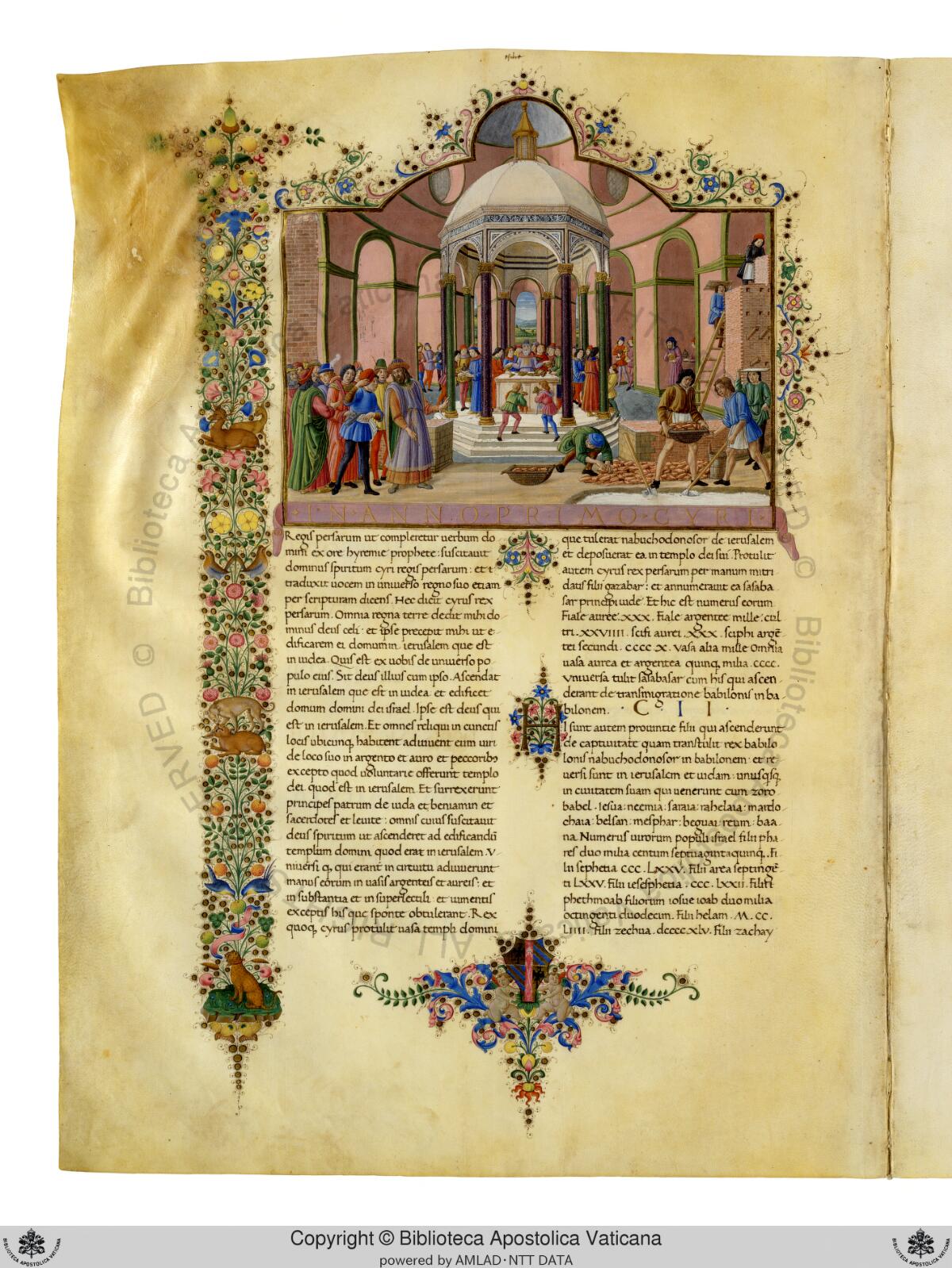
Give an old manuscript a wider audience.
Both open access to fragile written heritage. Digitising a visible page is a different challenge from recovering writing hidden inside a closed scroll.
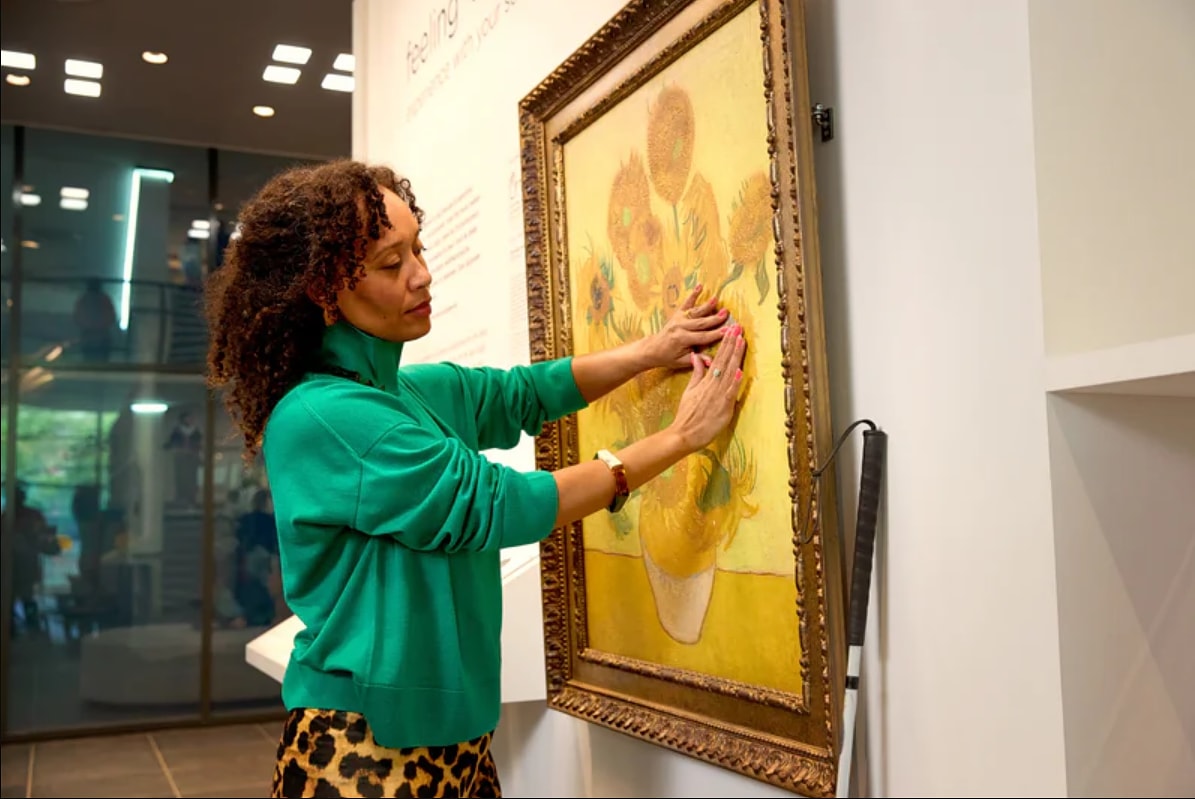
A painting you can encounter differently.
Both change how people encounter cultural material. Compare recovering inaccessible text with offering another sensory route into a painting.