Give an old manuscript a wider audience.
The Vatican Library’s digital collections make fragile manuscripts remotely explorable, while shared image standards let researchers study details across collections.
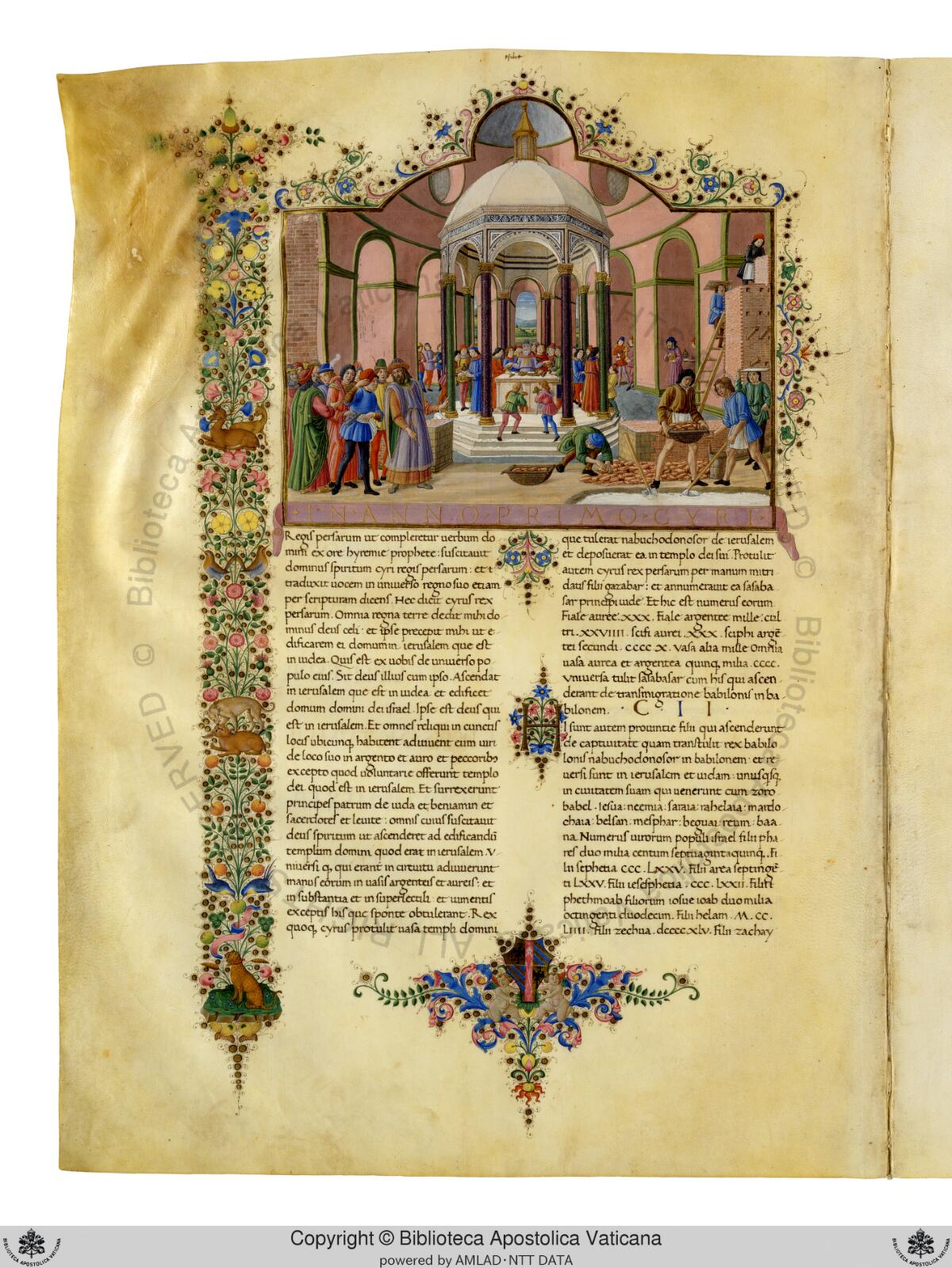
In practice. An operating digital library provides online access to a growing selection of digitised Vatican Library materials.
What to keep in view
The online collection is a growing selection, not the entire Library. A digital surrogate cannot reproduce every physical feature. Viewing access does not imply unrestricted reuse; consult the Library’s terms.
Preserve the object, open the image
DigiVatLib makes digitised Vatican Library materials available online. A reader can examine a manuscript page in detail without travelling to the reading room or asking staff to handle the original for every consultation.
Digitisation is only the first layer. Catalogue information, image quality and stable identifiers help a reader understand what the image represents and return to the same passage.
Make collections work together
The Library’s digital project uses the International Image Interoperability Framework, or IIIF. Shared conventions allow compatible tools to request images at different scales and support comparison and annotation. The Library’s online exhibitions were developed with Stanford Libraries and support from the Mellon Foundation.
Our reading: a digital collection becomes more valuable when it participates in a wider research workflow. A high-resolution image is a starting point; the ability to locate, compare and cite it makes it a tool for inquiry.
Read next.
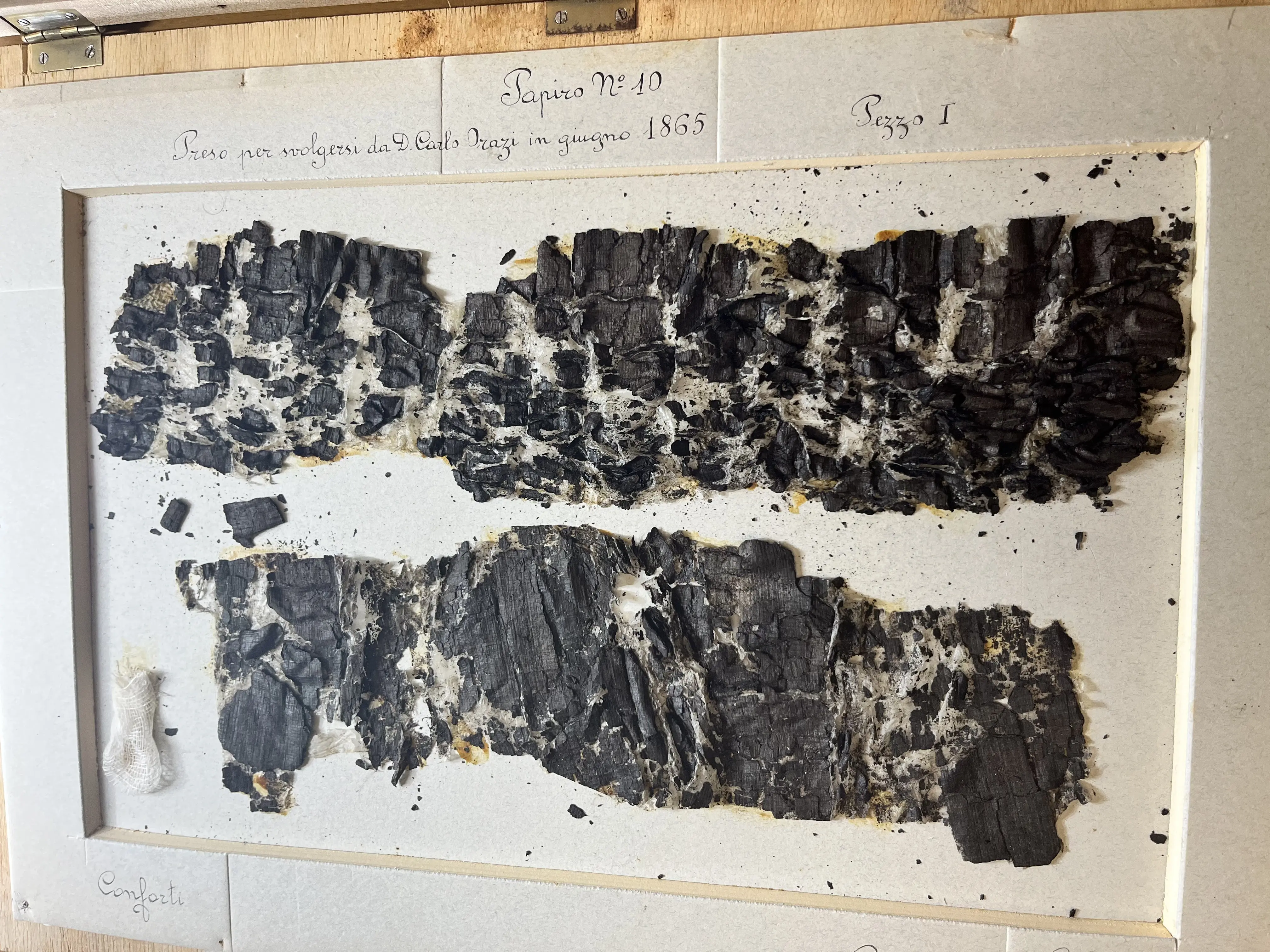
Open the text. Keep the scroll closed.
Both open access to fragile written heritage. Digitising a visible page is a different challenge from recovering writing hidden inside a closed scroll.
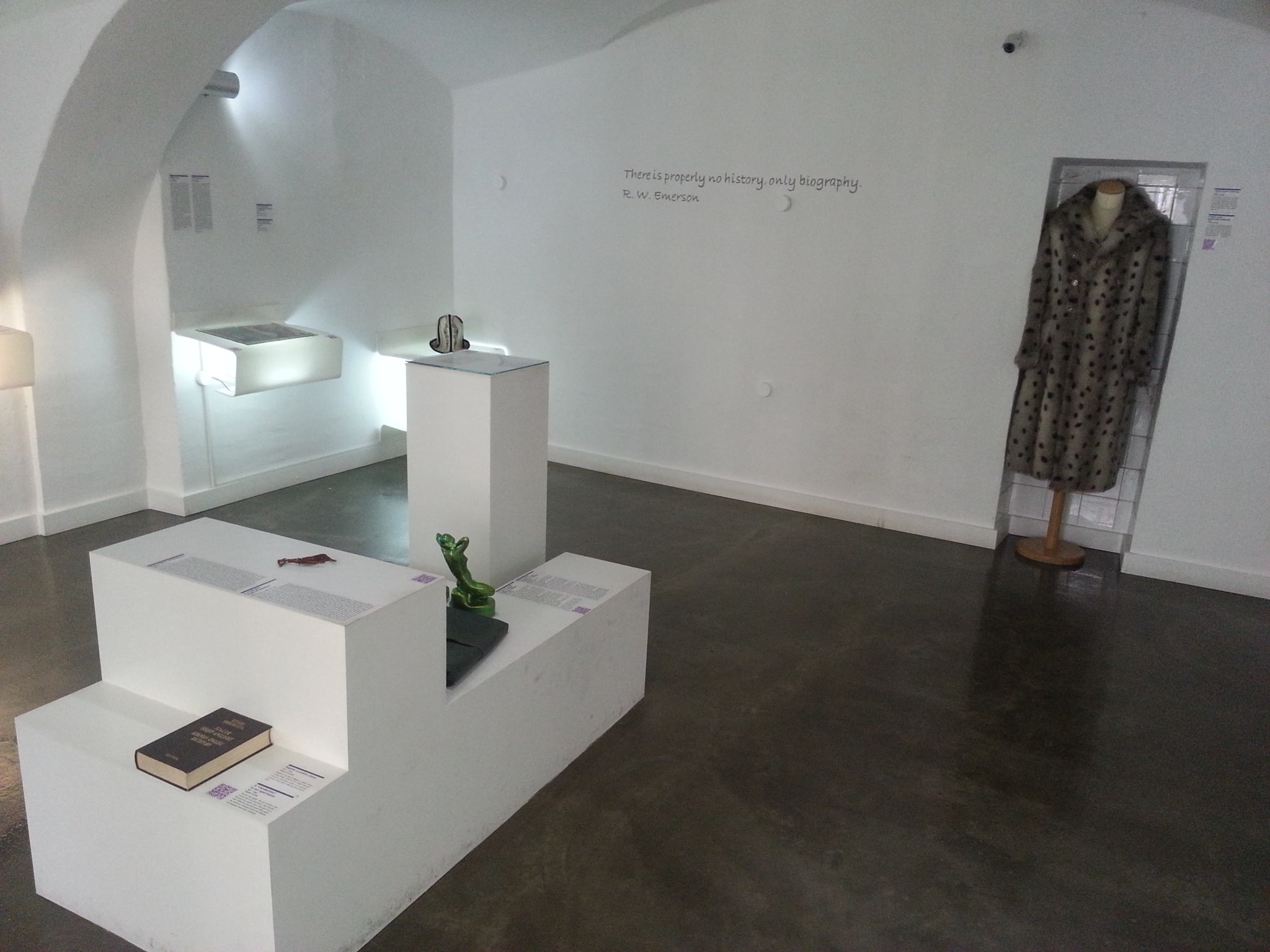
Private memories become a shared museum.
Two forms of cultural stewardship: intimate personal testimony and historic written collections. Access gains value when context and preservation travel with it.