A painting you can encounter differently.
Van Gogh’s brushstrokes become something visitors can touch, opening a shared encounter with paintings beyond sight alone.
 NL Netherlands
In practice. The museum launched the programme in 2015 after development with blind and partially sighted participants; a tactile wall followed.
What to keep in view
A constructed scent or tactile replica interprets a painting. It cannot reproduce every aspect of the original, and sensory preferences differ between visitors.
Make a painting available to touch
The Van Gogh Museum developed Feeling Van Gogh with blind and partially sighted participants before launching the programme in 2015. Guided descriptions, textured reproductions, objects and scent help visitors explore paintings with companions. A permanent tactile wall followed in 2016. The objects are interpretive tools and replicas, not permission to touch the original paintings.
Accessibility is often added as an explanation of an experience designed for somebody else. Here, touch and conversation become part of the encounter itself. A companion can join in rather than merely escort the person for whom the programme was designed.
Offer more than one way into the artwork
Access to paintings expanded from describing an image to sharing a multisensory encounter with it.
Read next.
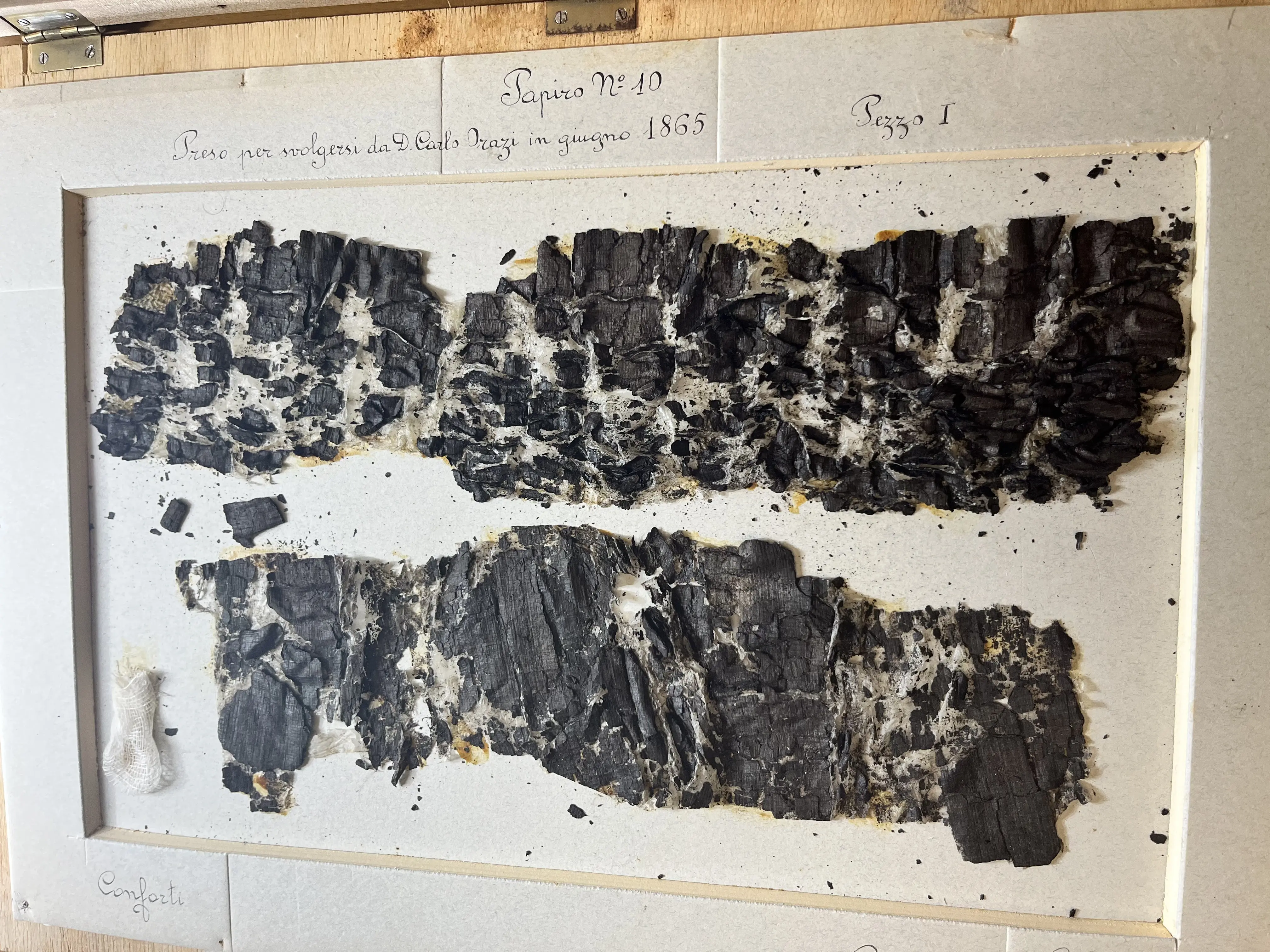
Open the text. Keep the scroll closed.
Both change how people encounter cultural material. Compare recovering inaccessible text with offering another sensory route into a painting.
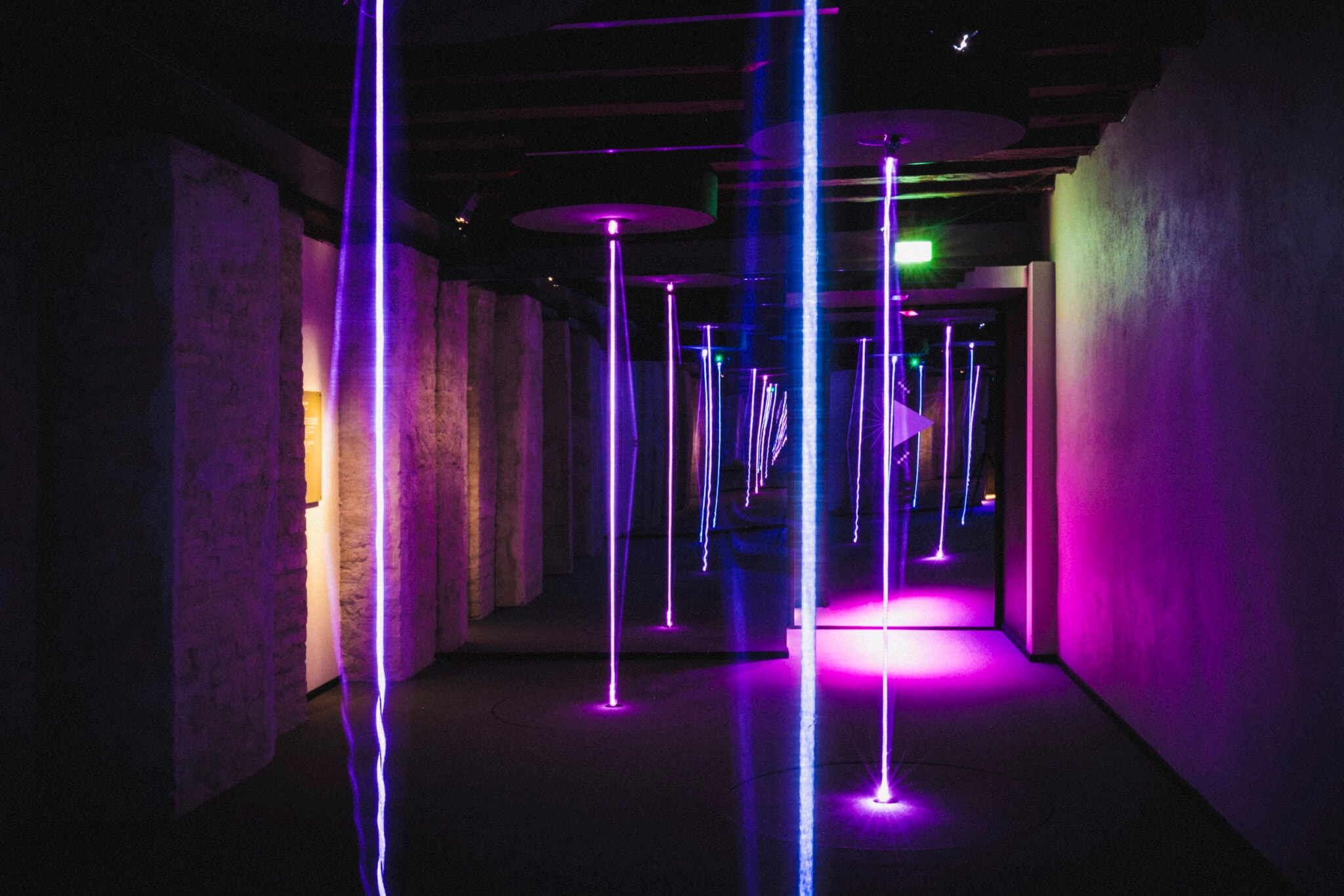
A room with more ways into music.
Both offer more than one sensory route into culture. Accessibility depends on the particular visitor, not simply adding more stimuli.