Send the lifebuoy towards the person.
A thrown lifebuoy depends on where it lands. U SAFE gives the operator another option: steer the flotation device towards the person who needs it.
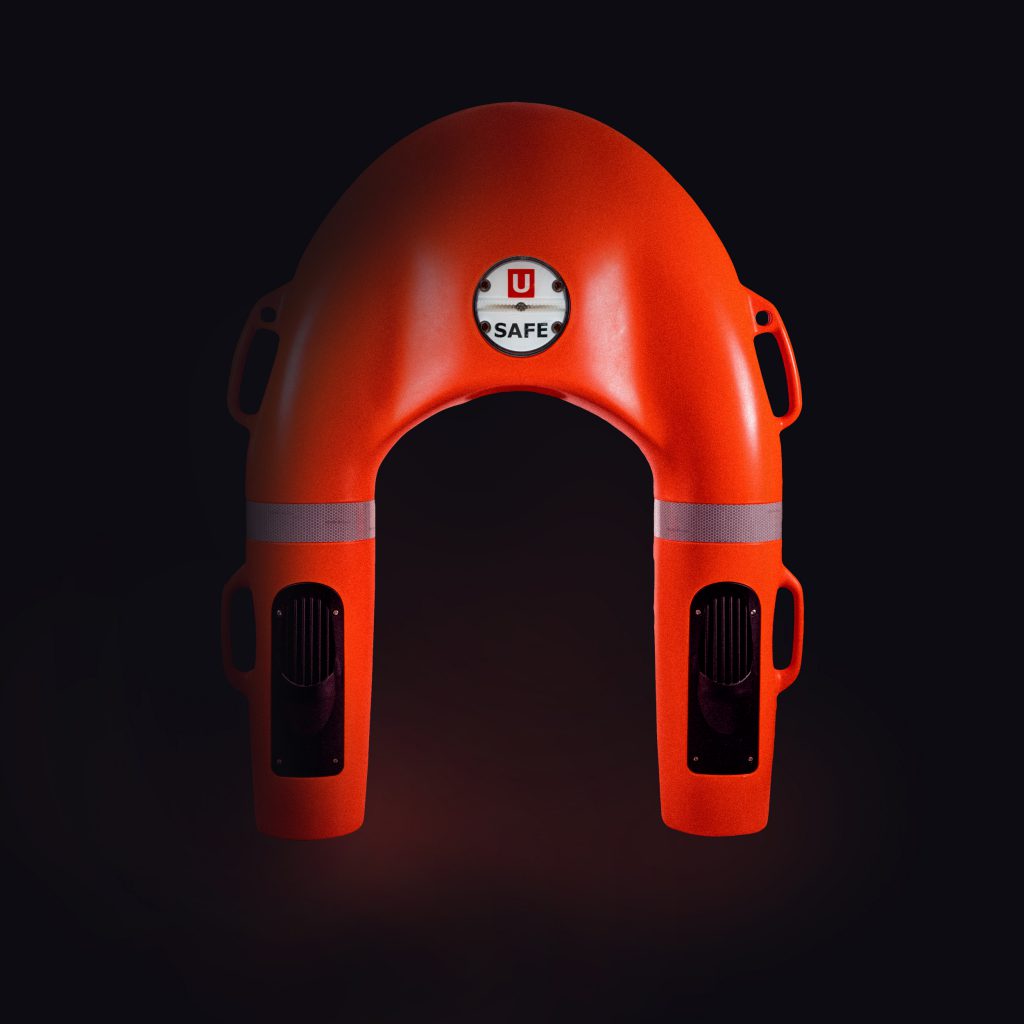
In practice. The cited record documents introduction and training with a remotely controlled powered rescue buoy.
What to keep in view
The cited record documents introduction and training, not a comparative study of rescue outcomes. U SAFE does not replace trained rescue teams; operating limits, battery condition and water conditions matter.
Flotation that can move
The Portuguese design combines a buoyant body, battery power, twin turbines and remote control. Its purpose is to carry support across the water while the operator steers from a separate position.
In March 2024, the Douro, Leixões and Viana do Castelo port authority documented its introduction on the Douro waterway. The event included theoretical and practical training for port staff, firefighters and maritime-authority personnel, with simulated rescues.
The device is part of the response
Our reading: the change is easy to understand. A passive safety object becomes a resource that can be directed. That may help a team deliver flotation before committing a rescuer to the water.
The training matters as much as the demonstration. A successful response also involves communication, equipment readiness, recovery from the water and subsequent care. The buoy occupies one part of that chain.
Read next.
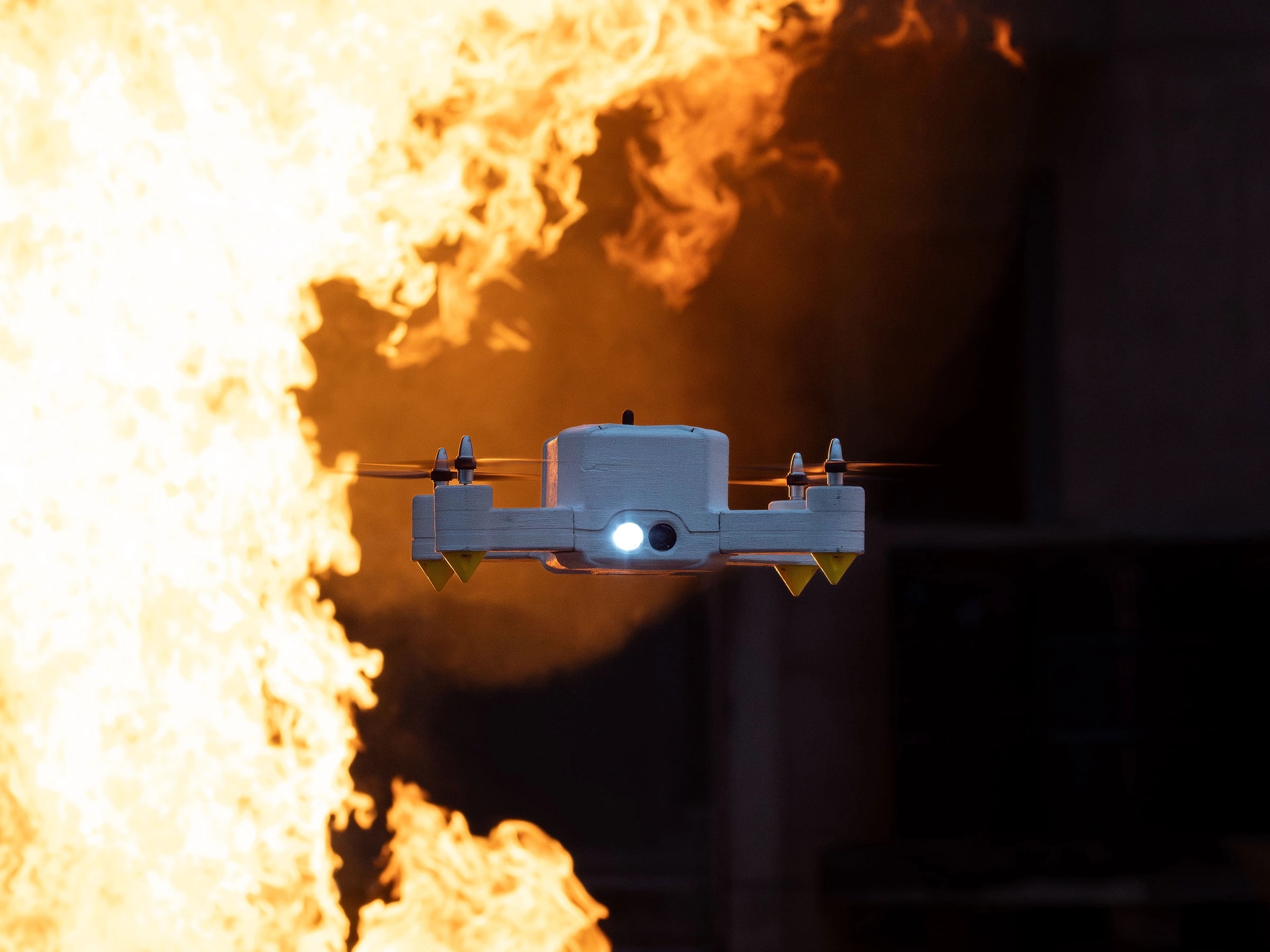
A drone built around a hostile environment.
Both send a machine towards conditions difficult for a person. Heat protection and remote movement on water address different hazards and operating limits.
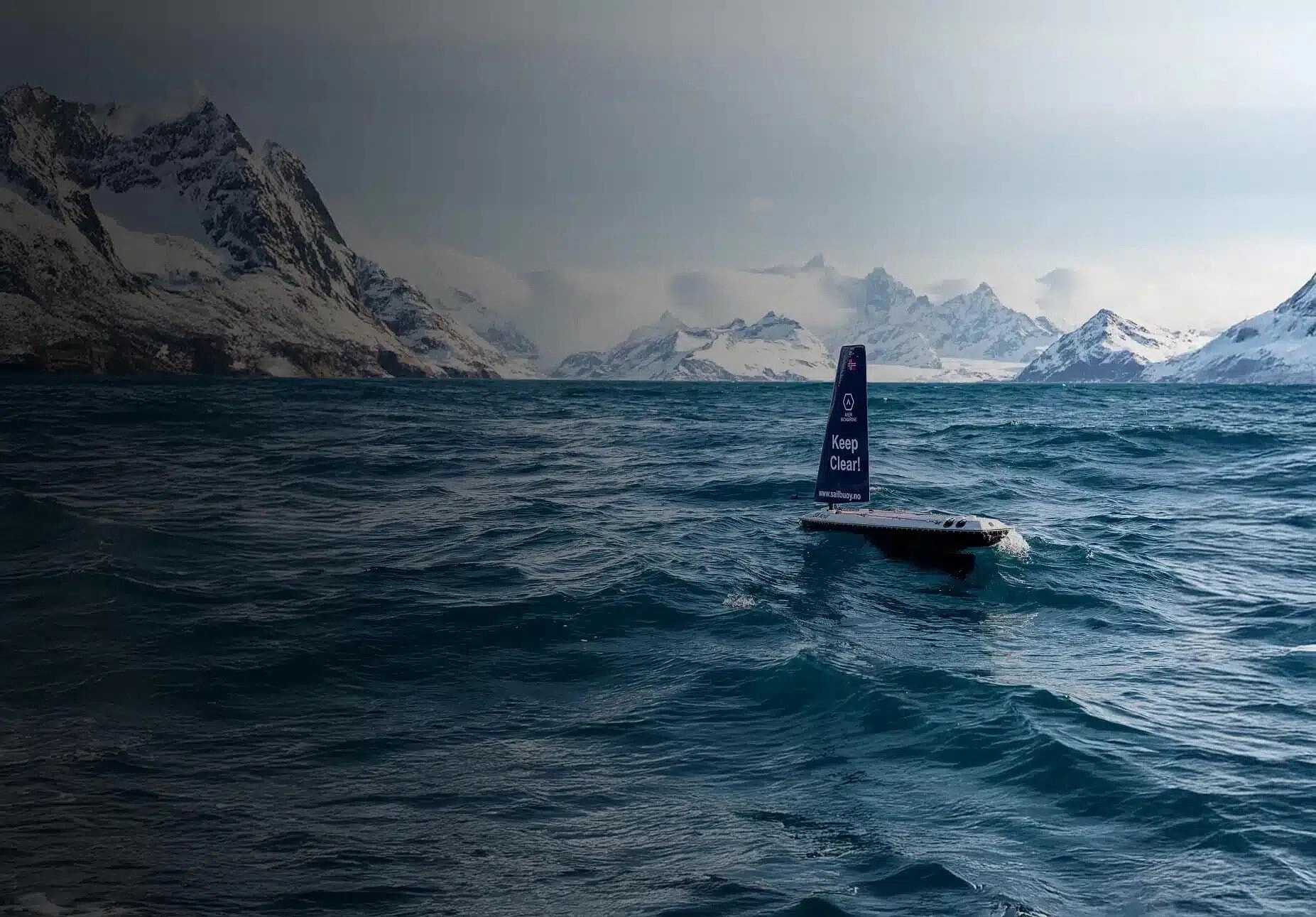
Send the instruments without a crewed ship.
Both move a purpose-built platform on water without a person aboard. Long-duration observation and immediate rescue assistance require different control priorities.