Protect the camera so it can enter the heat.
Send a camera into heat that would ground an ordinary drone.
 CH Switzerland
In practice. A Swiss-led research and spin-off project; Empa documented the newer insulation system and testing in January 2026.
What to keep in view
Earlier FireDrone research predates 2026. The reported test resistance up to 200 °C is not a guarantee for every fire, duration or visibility condition. Development tests do not establish unrestricted operational readiness.
The environment defines the machine
FireDrone is a specialist drone project developed for inspecting hot and hazardous spaces. Empa’s January 2026 account describes a new moulded polyimide-aerogel protective structure and development of indoor operation without GPS. The team has documented tests at a fire-training site and a cement plant.
Design the protection around the environment the camera must enter. Heat resistance and navigation belong to the flying system, rather than assuming an ordinary drone can survive because its camera would be useful there.
Test the whole operating envelope
Our reading: a camera’s value changes when it can reach conditions unsafe for a person or unsuitable for a normal drone. The project makes thermal protection a concrete enabling constraint, with testing and operational limits still central.
Build the capability around the hostile condition, not around the ideal setting.
Read next.
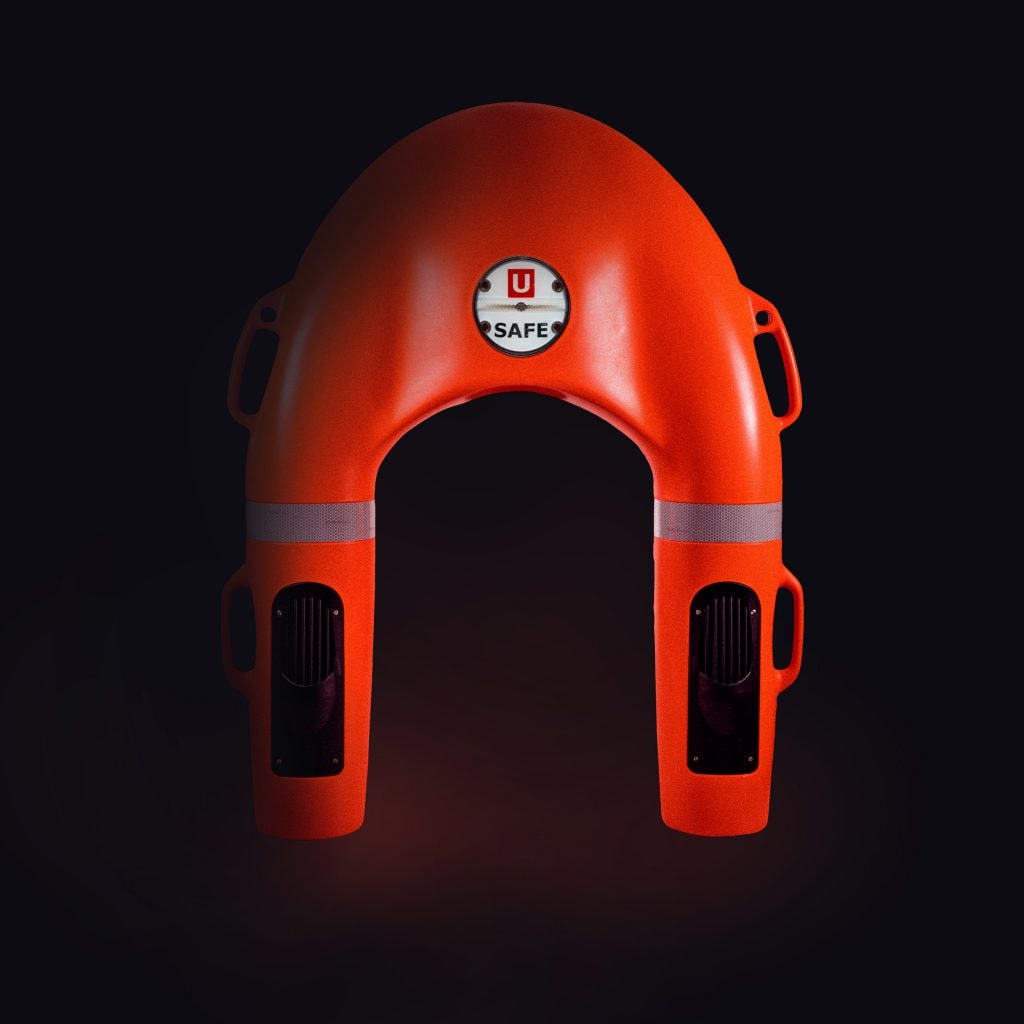
A lifebuoy with a way forward.
Both send a machine towards conditions difficult for a person. Heat protection and remote movement on water address different hazards and operating limits.
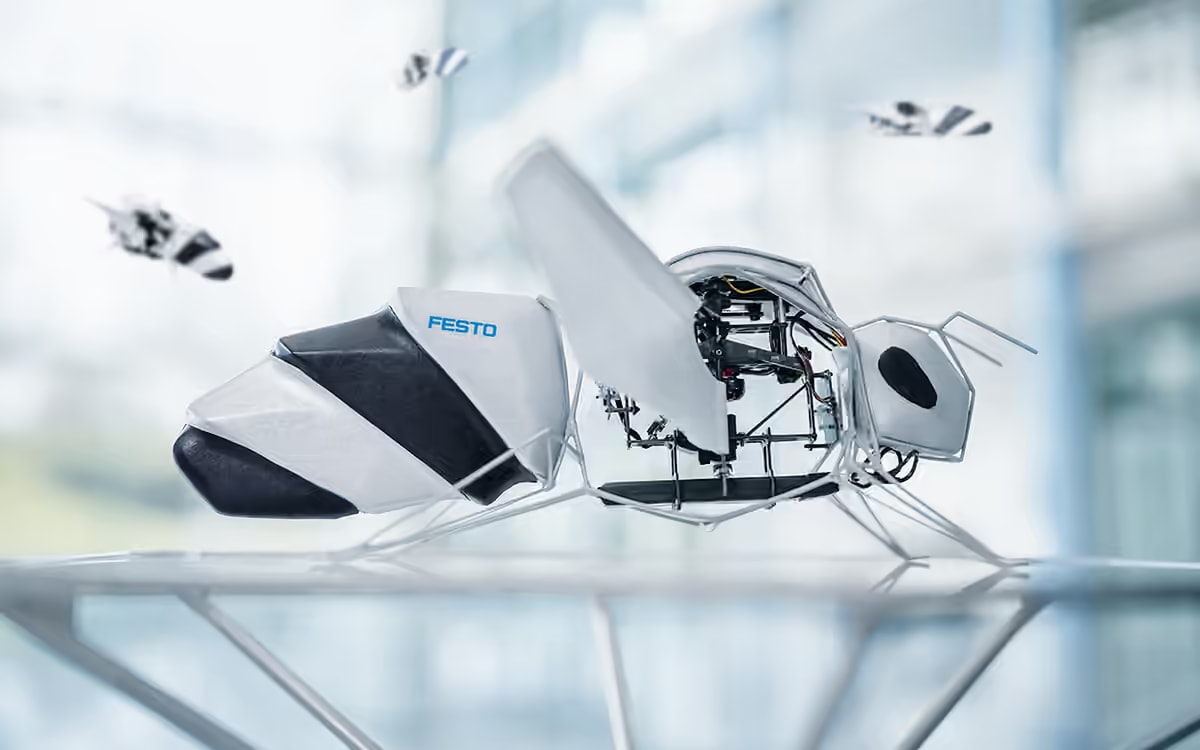
The engineering inside a flying bee.
Both redesign the flying system around a demanding role. Specialist heat protection and coordinated lightweight flight solve different problems.