Send the instruments without a crewed ship.
An ocean instrument does not always need a crewed ship to accompany it. Norway’s Sailbuoy carries a sensor payload in a small wind-driven vessel that can follow a remotely managed mission.
 NO Norway
In practice. A Norwegian unmanned sailing platform with a published dataset from a 2018 ocean-observation mission.
What to keep in view
Wind-dependent movement constrains routing and timing. Sensor quality, power, communications and recovery matter; one mission does not establish suitability for every sea or instrument.
Let the mission work with the wind
Sailbuoy is a small unmanned surface vessel that uses wind propulsion for ocean-observation missions. Autonomous routing and remote communication allow sensors to collect and report data without a crew travelling on the platform. A published 2018 mission dataset documents prolonged field use, not just a proposed vessel rendering.
Wind-powered remote observation separates the sensor mission from a crewed voyage.
A smaller vessel can extend observation
Our reading: an observation programme does not always need to move a research crew with every sensor. Separating the measurement from that journey can change which missions are practical. The trade-off includes weather, payload and communication limits: a smaller platform does not do every job of a research ship.
Read next.
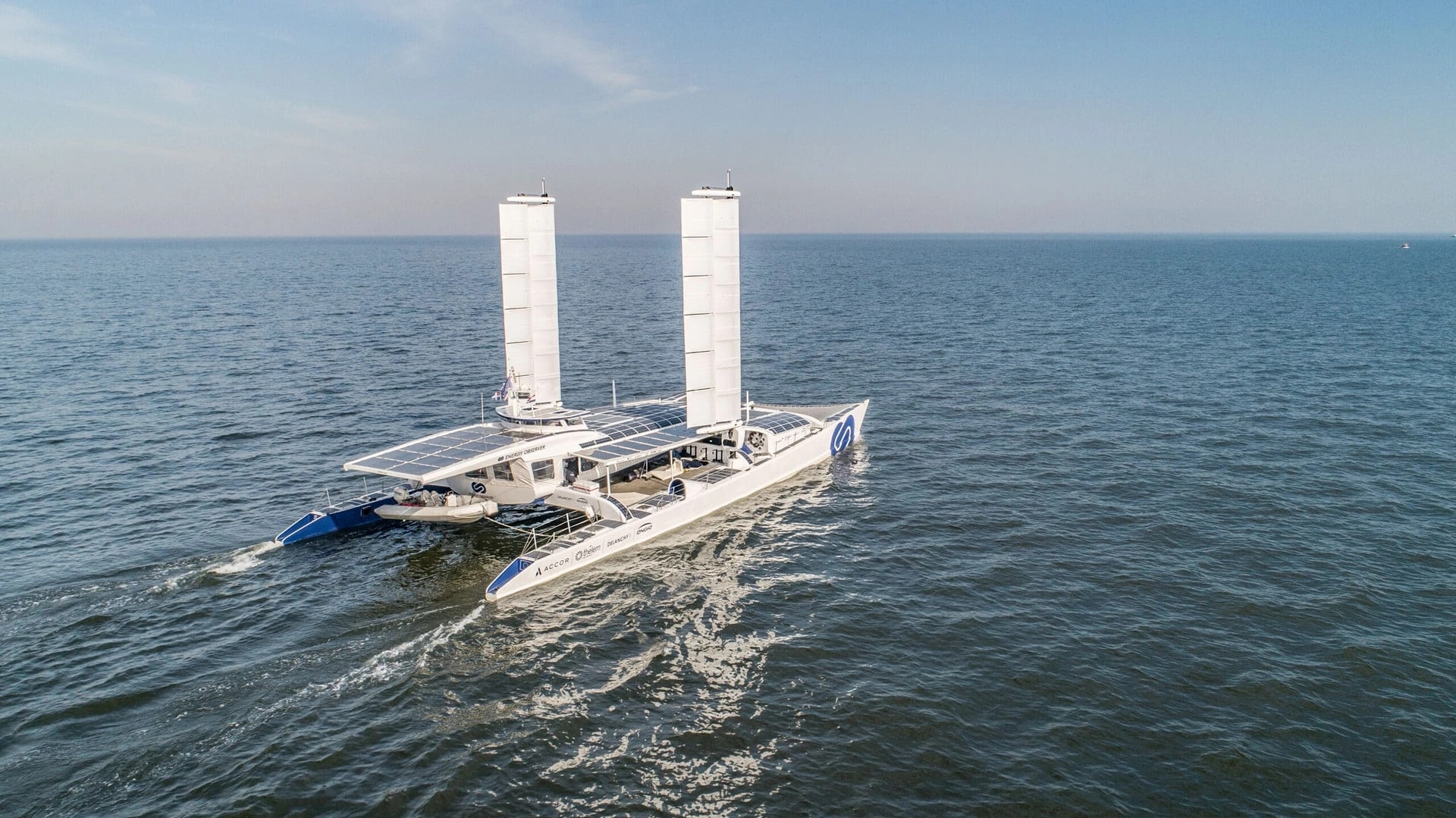
Let the voyage test the energy system.
Two vessels reorganise a mission around available energy. One tests an integrated energy system; the other uses wind to carry scientific instruments.
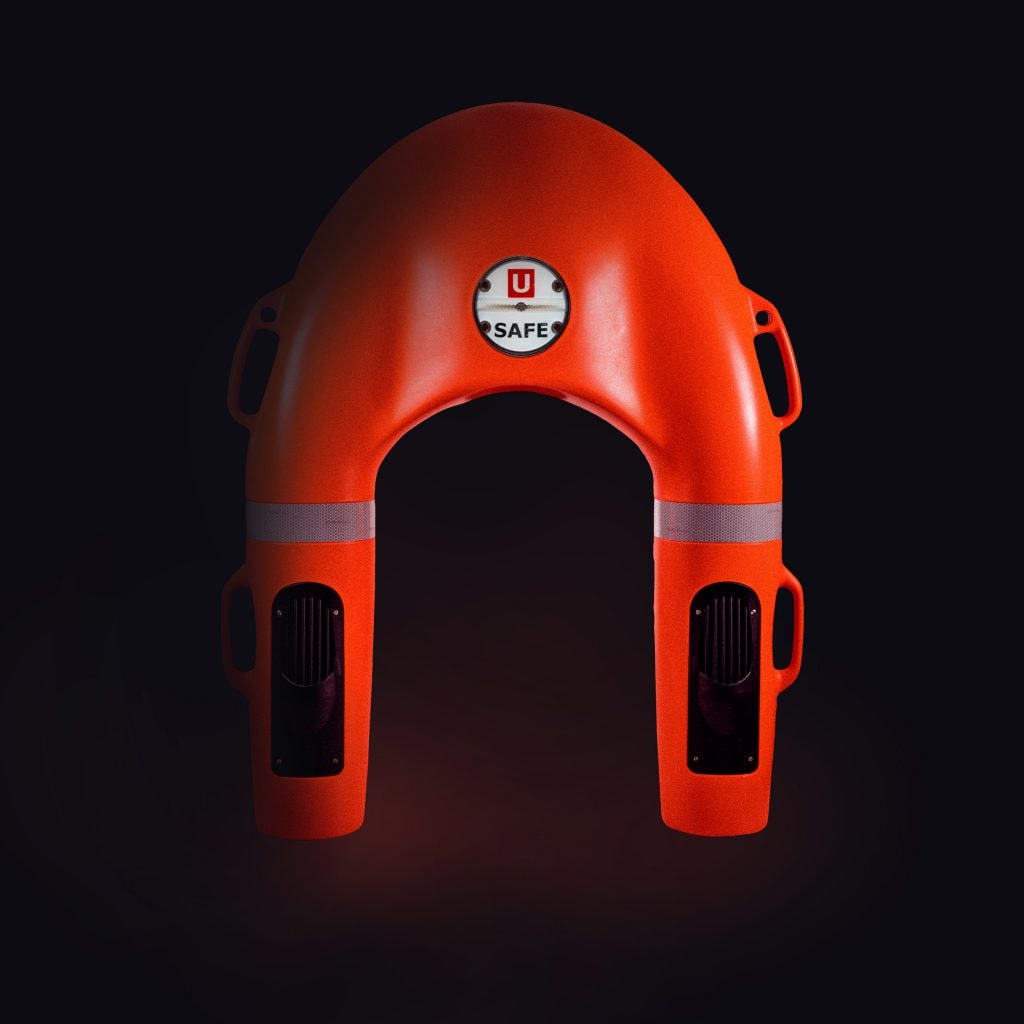
A lifebuoy with a way forward.
Both move a purpose-built platform on water without a person aboard. Long-duration observation and immediate rescue assistance require different control priorities.