Find the litter before planning the clean-up.
Much of the litter in a harbour is out of sight. SeaClear2.0 combines different robotic platforms to investigate what is there before attempting to retrieve it.
 CY Cyprus
In practice. An EU research consortium demonstrated the system in Larnaca on 27 November 2025, hosted by Cypriot partner ISOTECH with support from the Cyprus Port Authority.
What to keep in view
The Larnaca event was a pilot. Project-wide depth and lifting targets are not treated as performance demonstrated at this site, and routine commercial operation is not established.
Connect sensing with physical retrieval
SeaClear2.0 combines surface vessels, underwater vehicles and an aerial drone. The system’s tasks include mapping an area, recognising litter and organising collection. Different platforms contribute different views and capabilities, rather than expecting one machine to do everything.
The Larnaca pilot tested the system in local marine conditions. ISOTECH also hosted a workshop with stakeholders to discuss waste-management problems and possible responses. The demonstration therefore paired a technical trial with questions about the place where it might be used.
Keep prevention in the picture
A robot that can retrieve an item addresses only the end of a chain. Useful deployment also depends on knowing where litter accumulates, how an operation avoids habitat damage and what happens to the recovered material on land.
This is a cross-border research project with a concrete Cypriot pilot, not an entirely Cypriot invention or a proven autonomous service operating across all harbours. The value of the trial is the opportunity to examine those practical connections.
Read next.
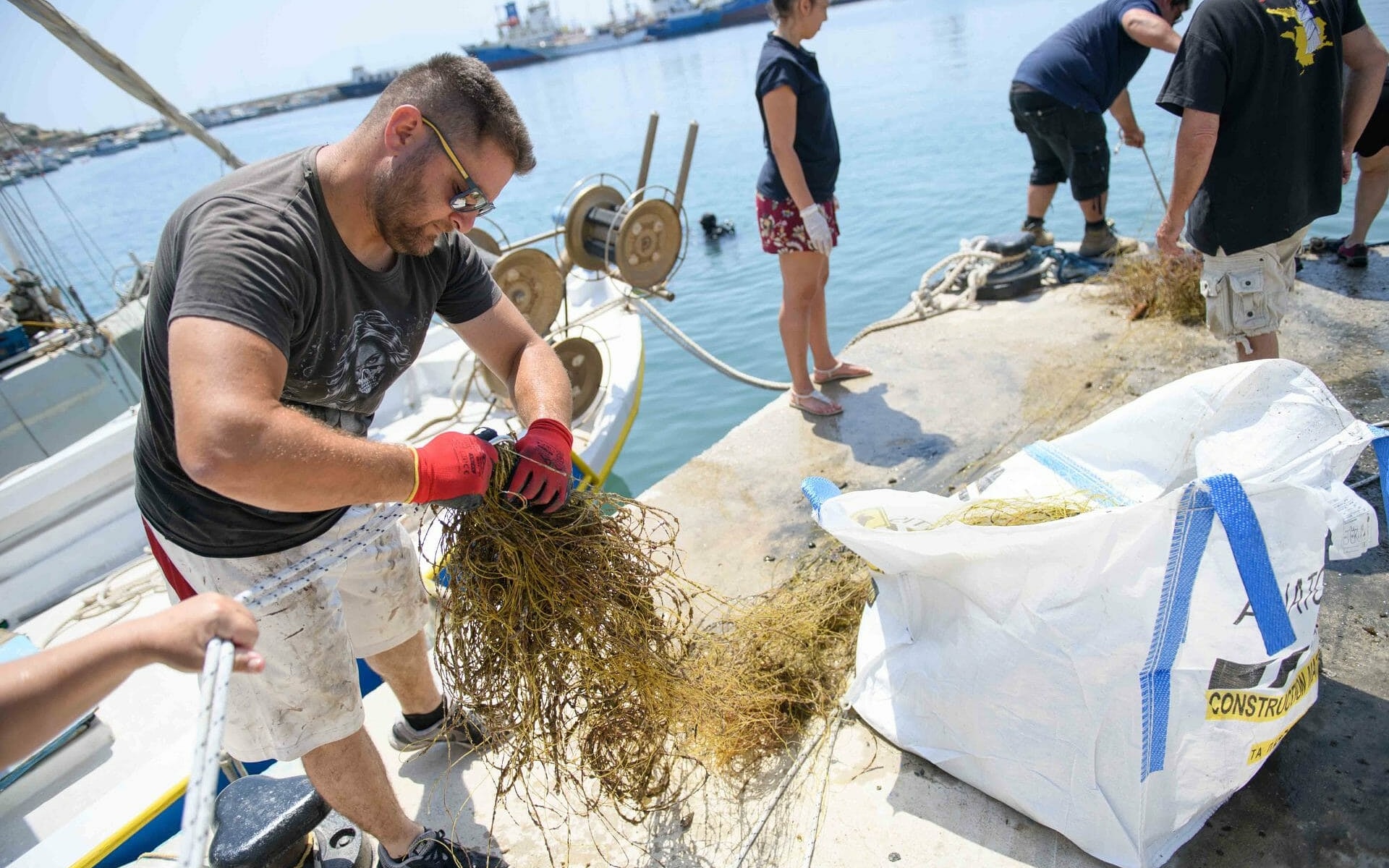
Fishing for a cleaner sea.
Both connect marine-litter recovery with a wider waste system. Compare a robotic pilot with work organised around fishing communities.
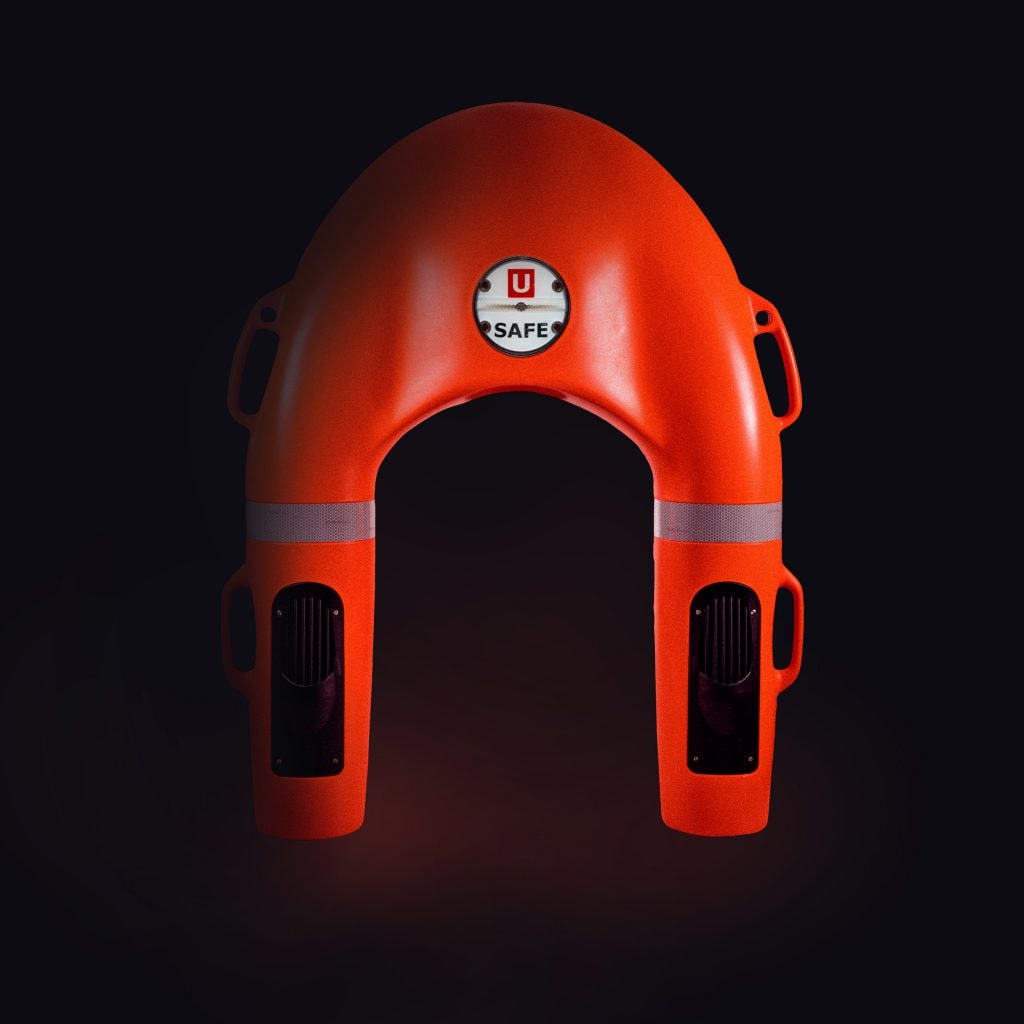
A lifebuoy with a way forward.
Both use remotely operated equipment on the water. Mission, reliability and the human operator’s role differ between cleanup and rescue.