Let the voyage test the energy system.
This research vessel uses renewable electricity to make hydrogen on board, carrying more than one way to store energy at sea.
 FR France
In practice. A French experimental vessel launched in 2017; its 2017–2024 voyage documented an onboard mix of renewables, batteries and hydrogen.
What to keep in view
Hydrogen is an energy carrier produced using electricity, with conversion losses. This vessel does not establish the economics or emissions of a commercial cargo fleet, and is distinct from later Energy Observer ship concepts.
Store energy for different timescales
Launched in 2017, Energy Observer is a working experimental vessel developed around an integrated electrical-energy system with technical contributions from CEA. Its energy chain combines renewable generation, batteries, electrolysis and fuel-cell technology. Water must be treated and electricity supplied to produce the hydrogen. Seawater is not a free source of energy. The operator documents a 2017–2024 voyage programme and subsequent EO1 missions. Proposed cargo concepts and the future EO3 are separate projects, not achievements of this vessel.
The vessel becomes a real operating environment for testing how generation, storage and demand work together.
The boat is a travelling experiment
Our reading: the boat’s most useful cargo is knowledge about integration. Solar equipment, a battery or a fuel cell can each work on its own, yet a voyage asks them to cooperate through variable weather and limited space. The demonstration makes that systems question visible. It also reveals why a successful research vessel is not automatically a blueprint for a freight fleet.
Read next.
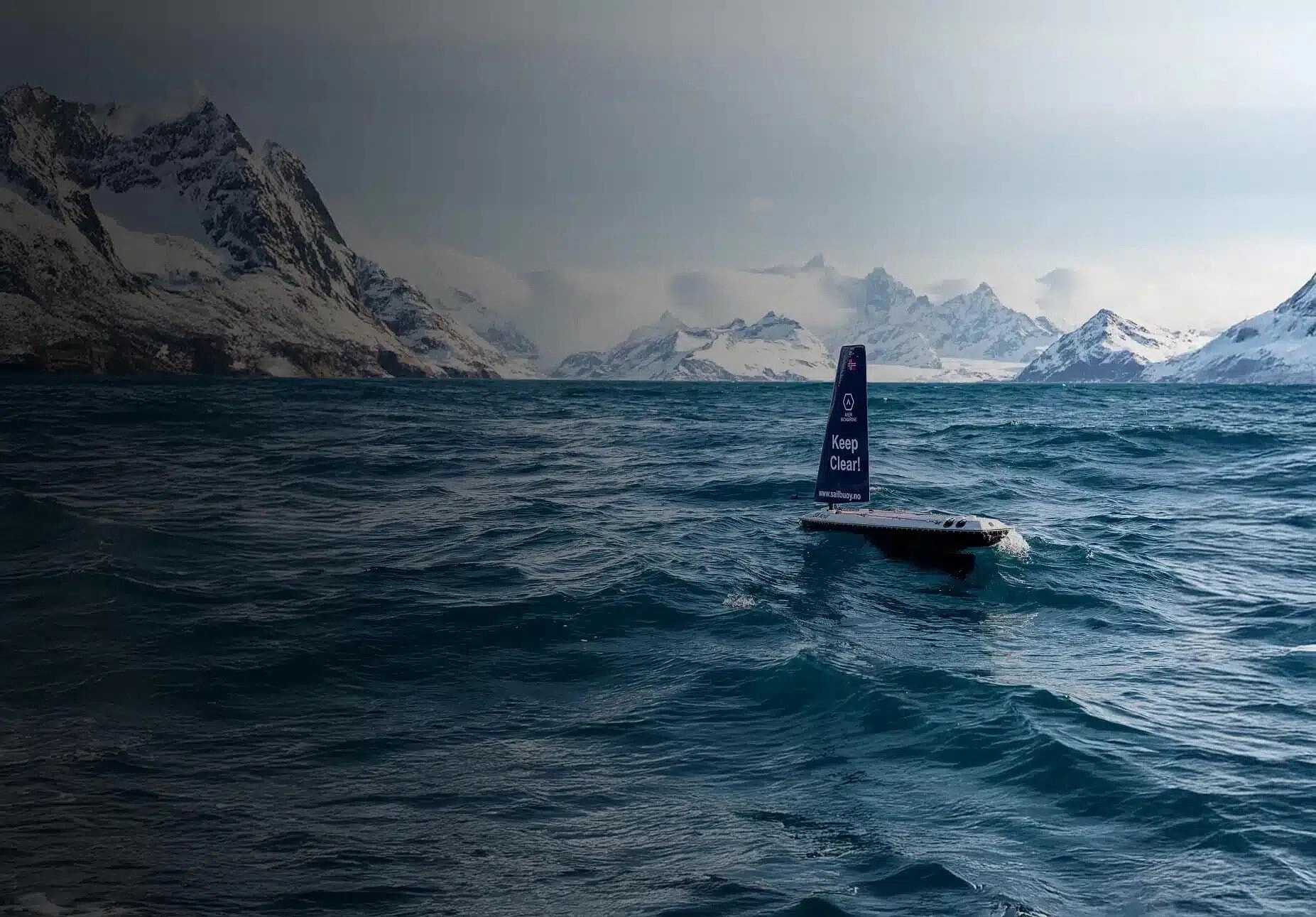
Send the instruments without a crewed ship.
Two vessels reorganise a mission around available energy. One tests an integrated energy system; the other uses wind to carry scientific instruments.
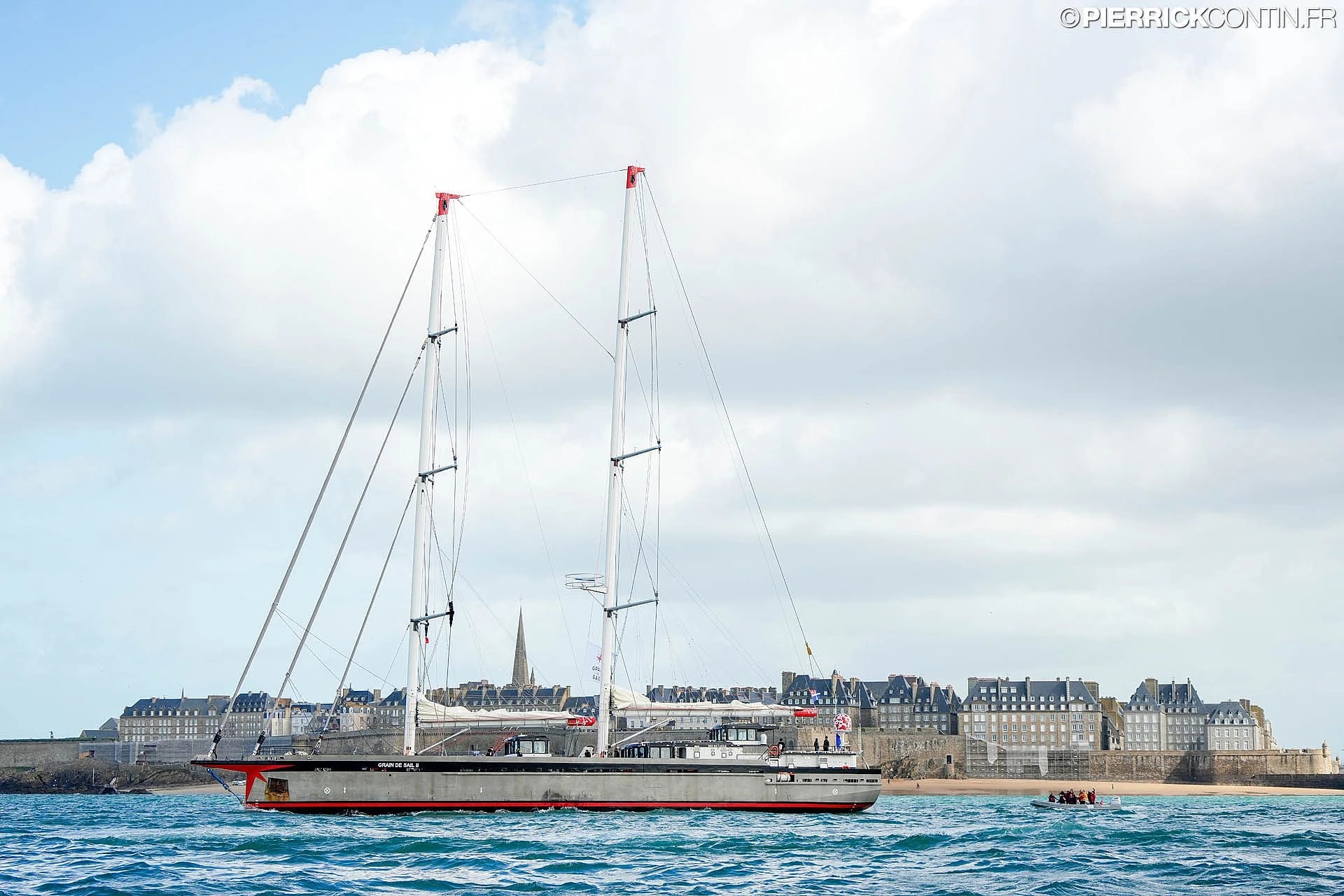
Sailing cargo with an operating model.
Compare an experimental energy vessel with a cargo service designed around sailing. Demonstrating technology and running freight are different tests.