Four motors. One conversation with the road.
Four independently controlled motors change the question from how much power a car has to where that power should go. With Nevera, Croatian manufacturer Rimac makes those decisions part of the vehicle’s fundamental design.
 HR Croatia
In practice. A limited-production electric hypercar with four individually controlled motors. This case concerns the original Nevera.
What to keep in view
This profile concerns the original Nevera, not the separate Nevera R. Technical descriptions are attributed to Rimac. A limited-production hypercar does not establish affordability, a transport-system benefit or a favourable lifecycle environmental impact.
Control at each corner
Nevera uses four electric motors, with each motor driving one wheel through its own drivetrain. Rimac’s torque-vectoring system adjusts their output independently, responding to the car’s movement, available grip and driver inputs. The hardware makes finer control possible; the software decides how to use it.
That connection matters in a bend as well as during acceleration. Instead of treating power as a single amount delivered to an axle, the system can vary how it reaches each wheel. Power delivery and vehicle behaviour become closely connected design problems.
A system built together
Rimac announced its first full production-ready Nevera in July 2022, after a development programme involving prototypes and crash testing. The company develops the battery, power electronics, drivetrains and control systems as connected parts of the vehicle, rather than treating the electric motor as a simple replacement for an engine.
The battery is integrated with the carbon-fibre structure. Its position, cooling and electrical demands influence the rest of the car. This is an engineering story about coordination: exceptional individual components still need to behave reliably as one complete machine.
What travels beyond the hypercar
Our reading: Nevera is interesting beyond its performance figures because it shows how a new powertrain can change a product’s architecture. Electrification creates opportunities in control, packaging and software, not simply a different source of propulsion.
A limited-production hypercar has very different costs and priorities from everyday transport. Its existence does not demonstrate that every feature should transfer to an affordable car. The useful question is which engineering lessons remain valuable when energy use, manufacturing scale and ordinary driving become the main constraints.
Read next.
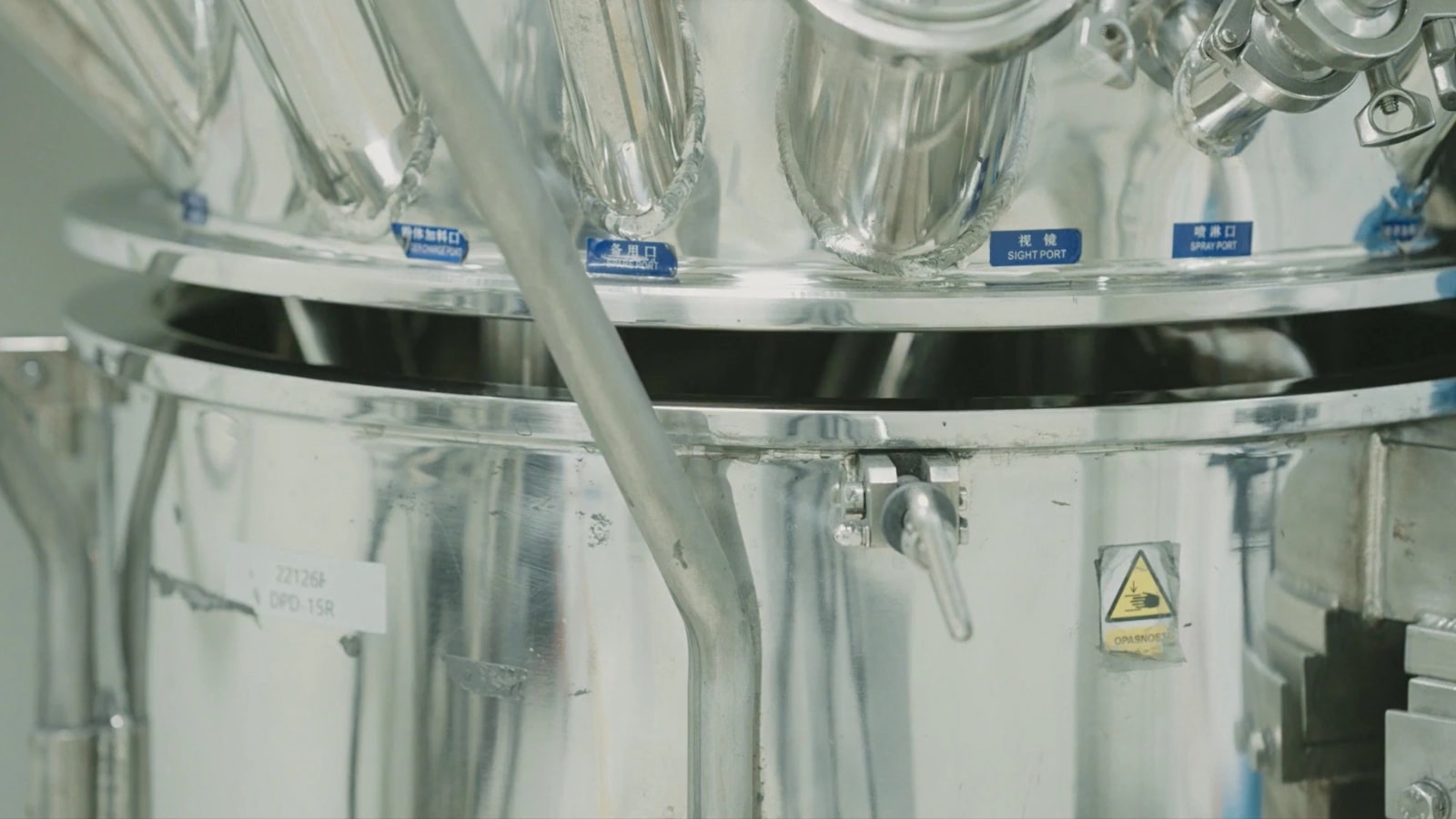
Build the battery from the cell outwards.
An electric vehicle depends on both the cells and the control system around them. Compare cell manufacturing with distributing power to individual wheels; this is not a claim that these projects supply one another.
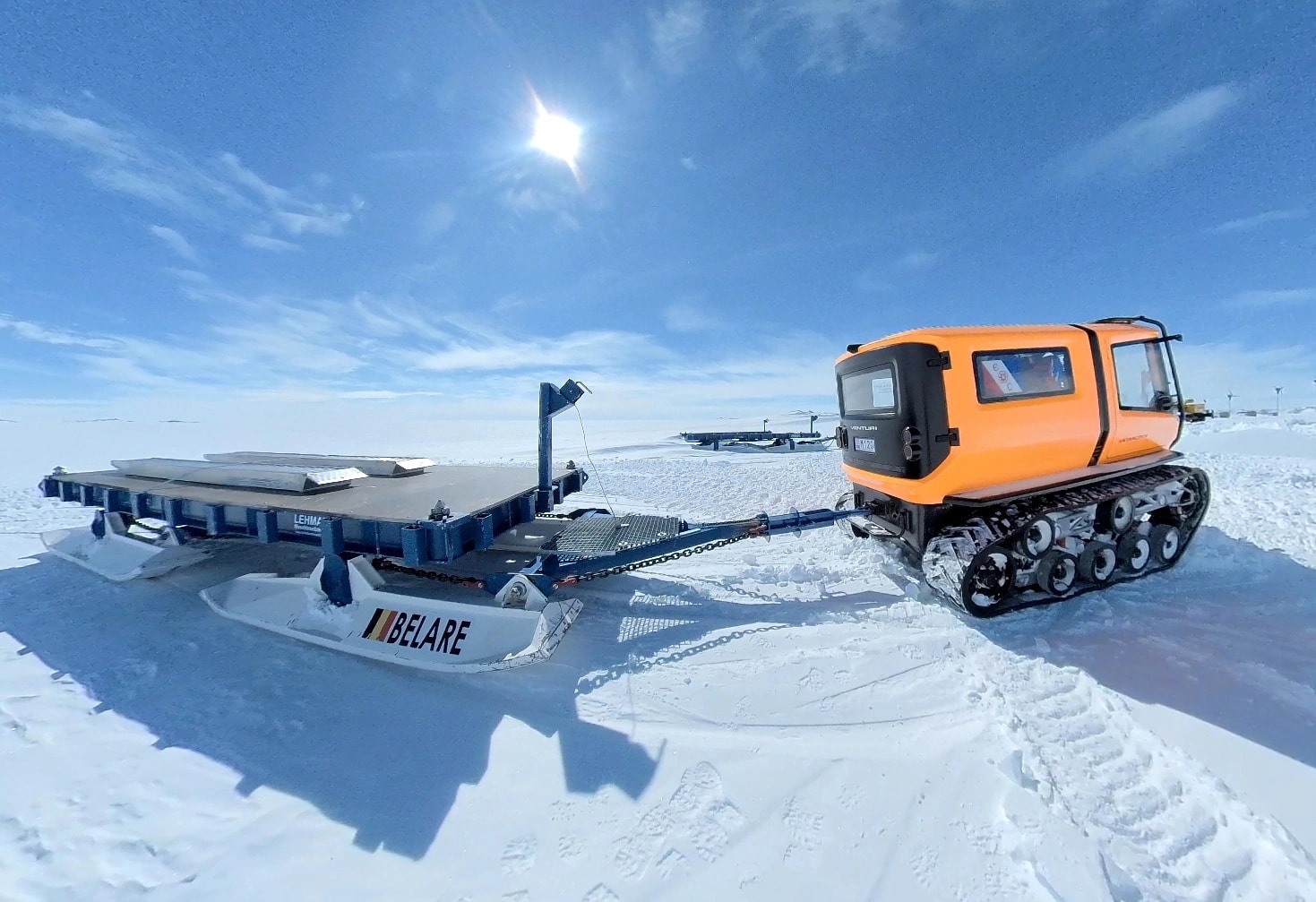
Antarctica becomes the testing ground.
Both design electric drive around a demanding task. Performance on a road and work in Antarctic conditions impose very different priorities on energy use, traction and reliability.