A shopping centre where the next life starts next door.
ReTuna gives unwanted objects a route back to a customer. The useful change happens between the place people leave things and the businesses able to give them another life.
 SE Sweden
In practice. An operating reuse shopping centre in Eskilstuna, with specialised shops, education and an adjacent collection facility.
What to keep in view
The mall’s existence does not quantify net avoided purchases or whole-system emissions. Commercial viability, municipal support and the quality of incoming goods matter.
Connect the back room to the shop floor
Donated goods enter through the recycling facility, where material can be sorted for businesses in the mall. Different shops then work with the items they can repair, transform or sell.
The operator also describes education and events. Reuse becomes a place people can visit and learn from, with shared infrastructure supporting otherwise separate enterprises.
The destination matters
Our reading: collecting an object is only the beginning. A useful second life also needs selection, skilled work, a visible offer and someone willing to buy it.
The University of Borås case study examines the tension between reuse ambitions and normal retail expectations. Reliable stock and viable businesses remain practical requirements, even in an unconventional mall.
Read next.
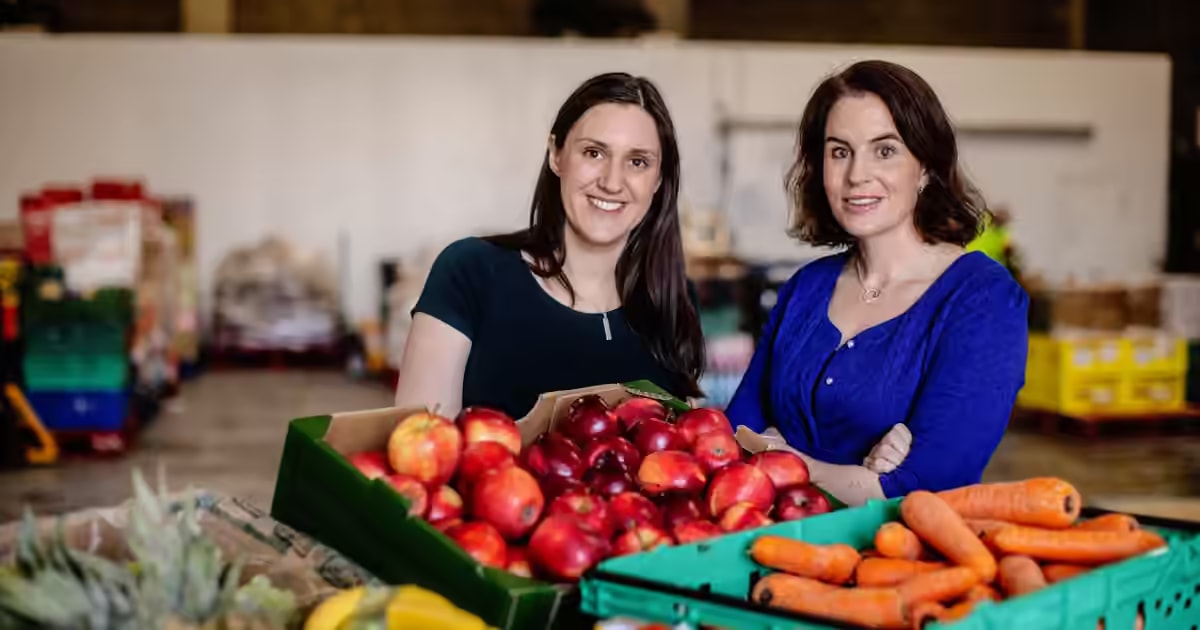
Connect surplus with somewhere useful.
Keeping things useful requires an organised route to the next user. Compare a permanent reuse marketplace with food redistribution.
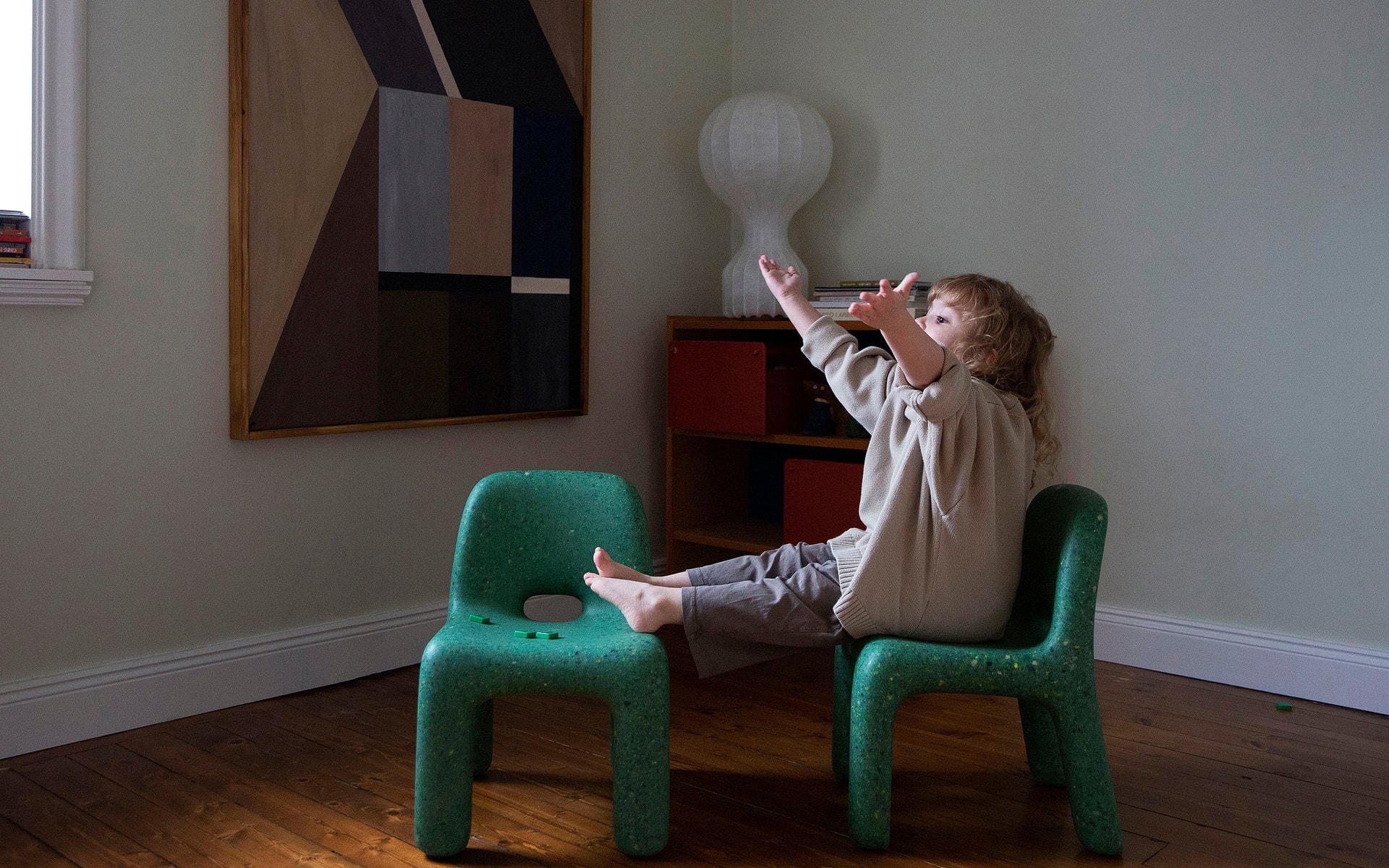
Old toys. A new place to sit.
ReTuna keeps products circulating; ecoBirdy transforms their material. The next use determines which route makes sense.