A skatepark between the storms.
A city’s rainwater channels also form a place to skate when they are dry.
 DK Denmark
In practice. A built public park and stormwater system in Roskilde, opened in 2012. Recreational use and flooding are different operating states.
What to keep in view
Built in Roskilde. This does not mean every retention basin is a skatepark or that skating continues during flooding. Hydraulic capacity, surface condition, cleaning and operational closures remain essential.
Two jobs in the same ground
Rabalderparken in Roskilde combines stormwater handling with skateable public surfaces. Drainage channels and retention forms support a recreational use while dry, with flooding and subsequent recovery requiring a separate operating state.
Stormwater conveyance and retention shapes are designed together with recreational surfaces, giving part of the drainage infrastructure a second everyday use.
Design the handover between uses
Our reading: a drainage system is essential during specific events but occupies space every day. Designing suitable parts for recreation changes what the city receives between storms. The useful connection depends on compatibility across both operating states. Hydraulic capacity, closures, cleaning and surface conditions must carry the public use, rather than treating a second function as a decorative addition.
For cities: a system used occasionally for water management can create daily public value between those events.
Read next.
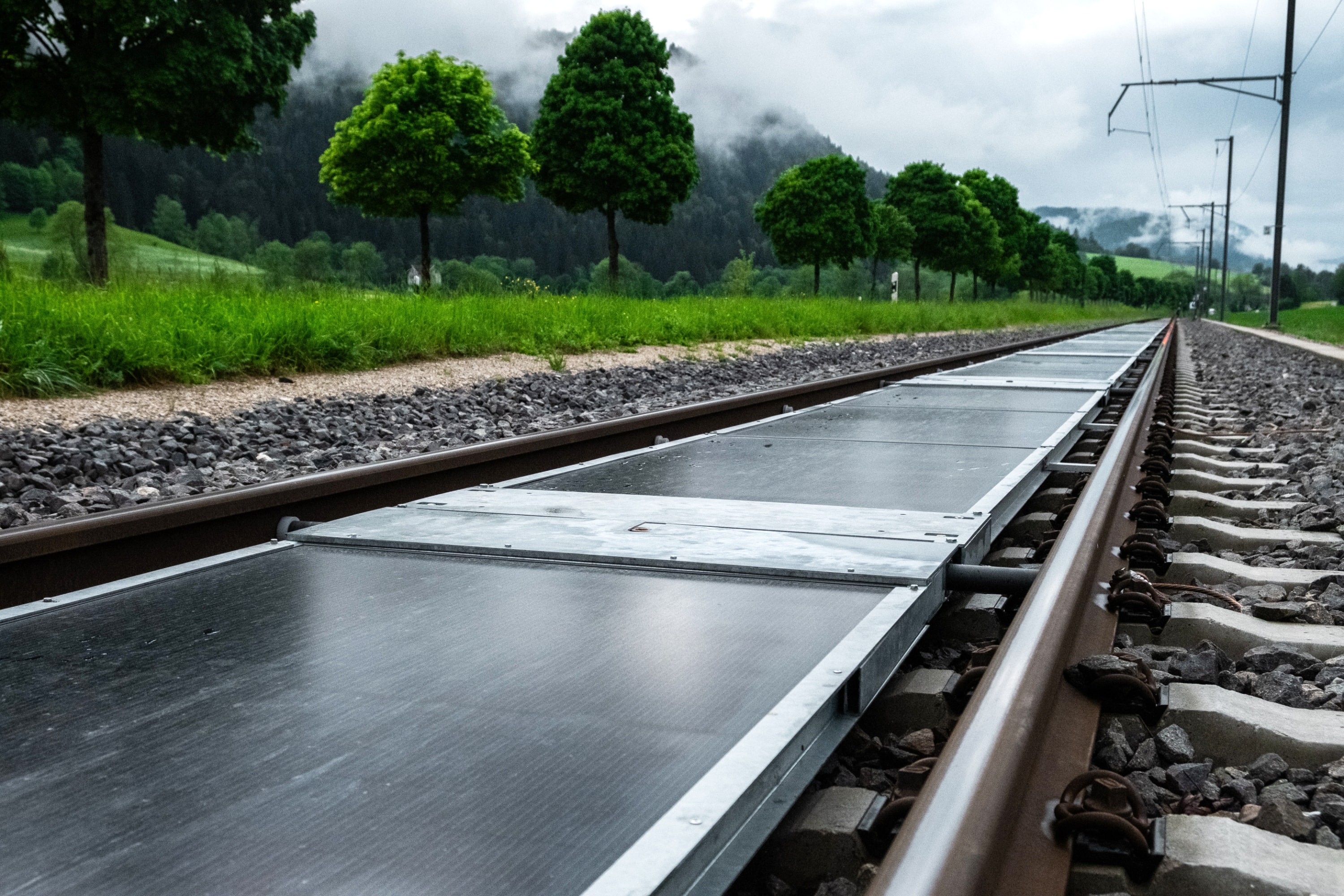
A second use for a working railway.
Both ask working infrastructure to do a second job. The uses must coexist, with maintenance and changes of operating state kept explicit.
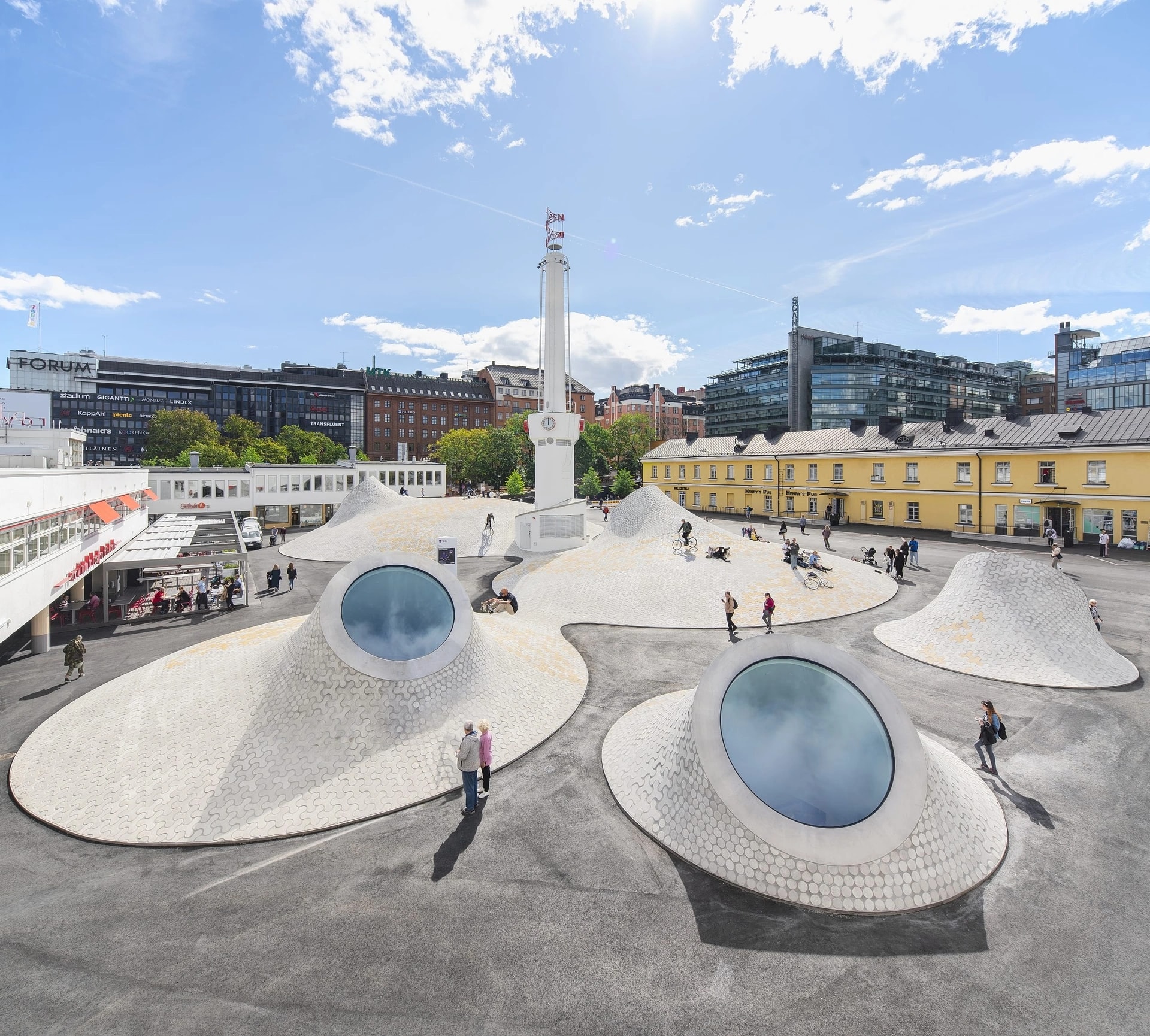
An art museum, with public life above.
Both give technical geometry a public life: drainage forms become skate surfaces, while gallery roofs become a place to gather.