Put solar panels between the rails—and make them removable.
Sun-Ways adds a new layer to a place already doing another job. Between passing trains, the space between the rails becomes a small electricity-generating surface.
 CH Switzerland
In practice. The Buttes pilot opened on 24 April 2025: 48 panels over 104 metres, with up to 18.48 kWp peak capacity and a three-year test period.
What to keep in view
The 104-metre pilot does not establish network-scale costs, long-term durability or direct traction power. Peak capacity is not annual electricity output.
Make the extra use reversible
Rail operator transN documents the installation on its R21 line near Buttes. The electricity goes into a nearby distribution network, rather than directly powering passing trains.
Removability is central to the proposal: the panels must coexist with inspection and maintenance. The trial examines whether that coexistence works under real operating conditions.
The second use must respect the first
Our reading: using an existing footprint is attractive only if the original service continues to work well. The engineering question includes access, dirt, weather and the effort of removal.
The pilot is valuable as a test of those constraints. Its modest length makes the distinction between a demonstrated installation and a network-wide solution easy to keep visible.
Operator-confirmed pilot · Pilot opened 24 April 2025
48 panels along 104 metres of railway
TransN records the opening of the Sun-Ways installation on 24 April 2025 as a three-year trial on an operating railway.
What this tells us. Its 18.48 kWp rating is peak capacity, not measured yearly output. Electricity feeds the distribution grid rather than powering passing trains directly.
Read next.
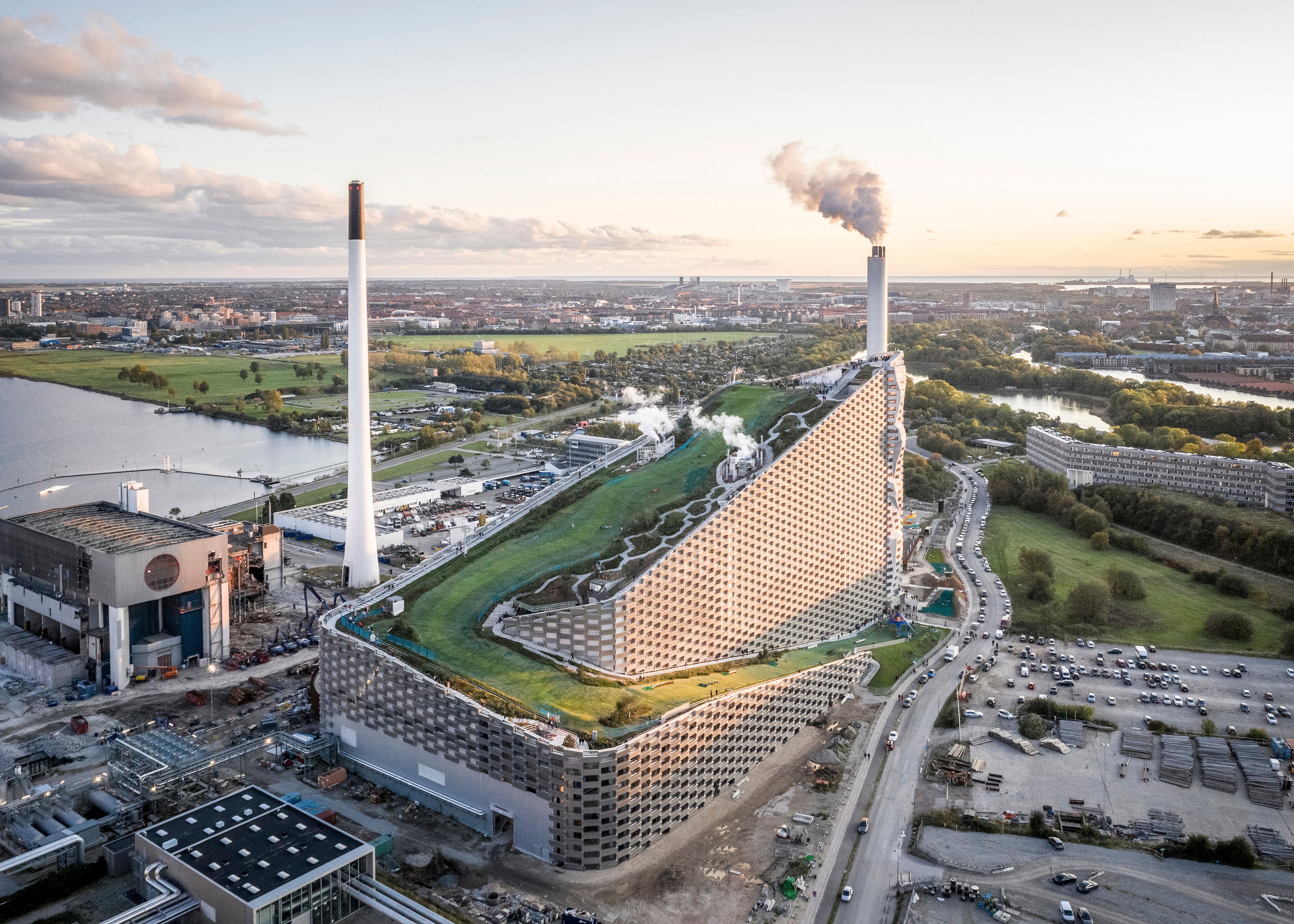
Ski on the city’s infrastructure.
Both add a second use to working infrastructure. The crucial question is how the original job continues alongside the new one.
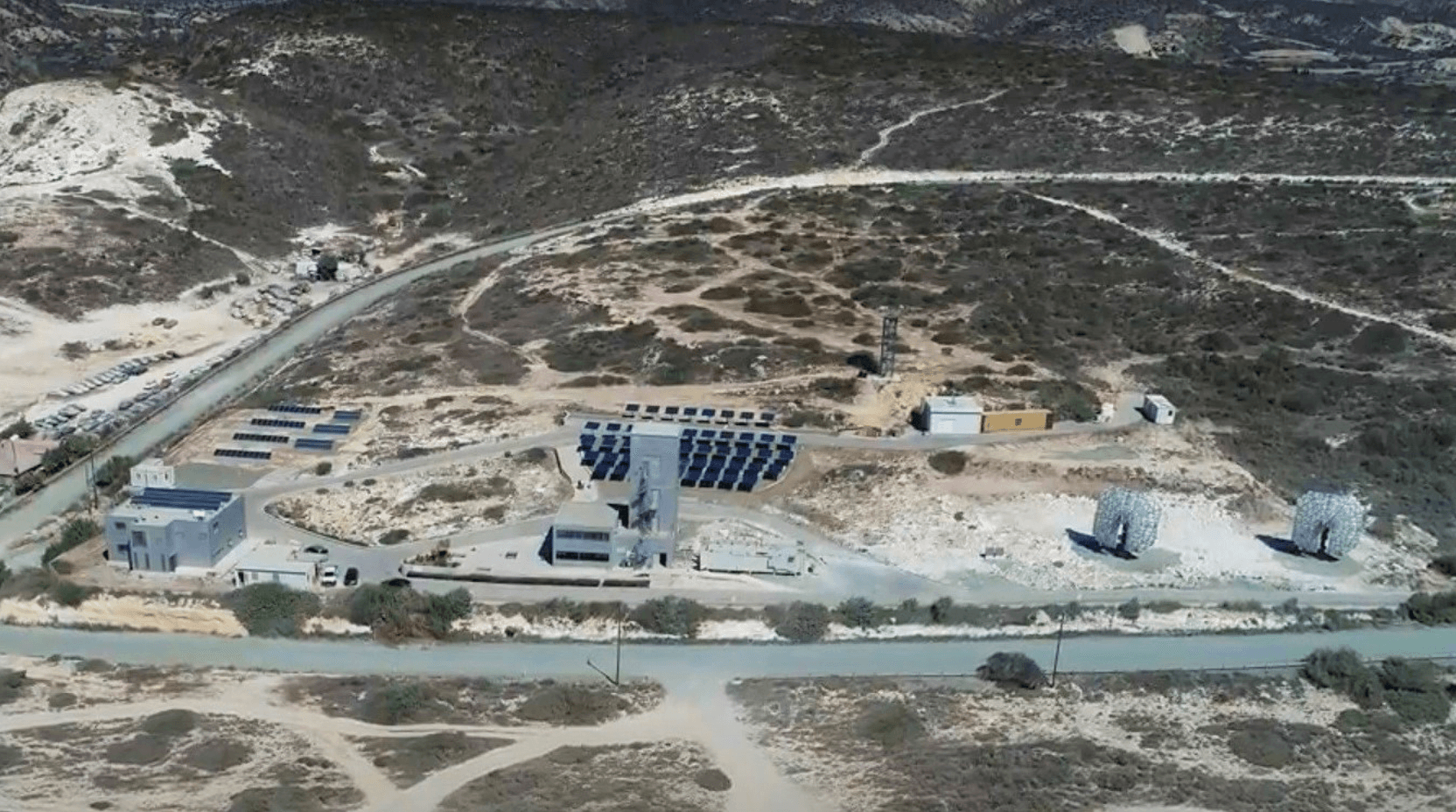
A place to test what solar heat can do.
Two different uses of sunlight: railway photovoltaics and concentrated solar heat. Follow what happens after the energy is collected.