Make public buying visible.
A public contract becomes easier to scrutinise when its records can be followed. Ukraine’s Prozorro connects the transaction with a public data trail, making the procurement process itself more visible.
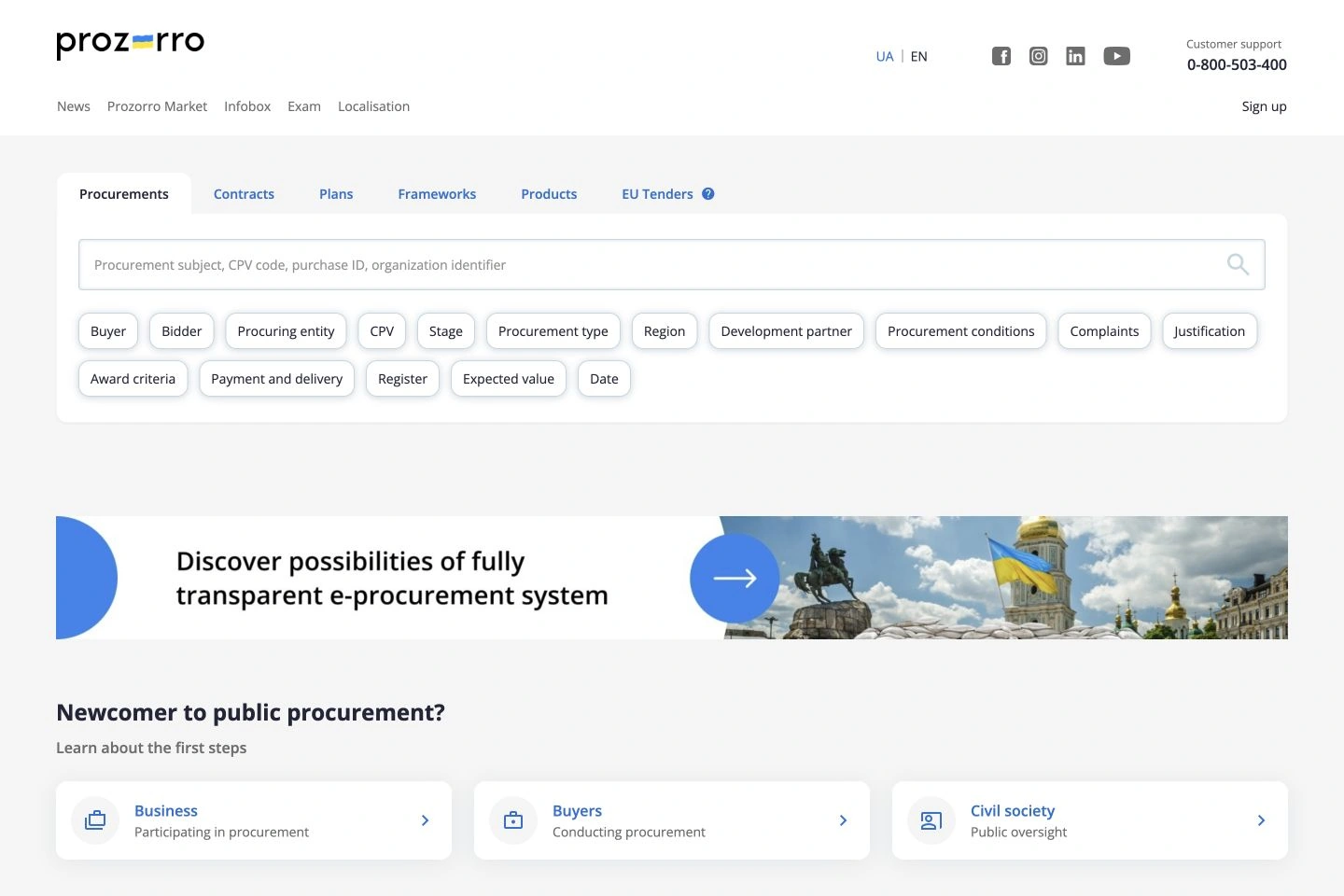
In practice. An operating national procurement system. Its public portal and analytics support inspection of procurement records; disclosure is not a guarantee of a fair outcome.
What to keep in view
System-reported competition and savings do not establish procurement quality, delivery performance or the absence of collusion and strategic exemptions.
Separate the marketplace from the public record
Public buyers work through authorised electronic marketplaces connected to Prozorro’s central system. They register with a marketplace, prepare procurement information and use the required electronic signature. The central portal is a place to view procurement; it is not the account-registration interface for conducting a tender.
That separation allows different services to connect to a shared record. Suppliers can find opportunities, while citizens and watchdogs can examine information without becoming participants in the purchase. A public trail makes it possible to ask who bought what, from whom and under which process.
Make disclosure useful beyond the individual tender
Prozorro’s public business-intelligence module aggregates procurement information into charts and tables. The system’s own presentation describes daily updates and exportable data. A dashboard helps reveal patterns, but the underlying records and their completeness still determine what an analyst can establish.
The OECD’s 2025 review describes an earlier, specific use during the COVID-19 emergency: Ukraine required structured reporting of concluded emergency contracts, even where the purchases were exempt from ordinary procurement procedures. That supported public analysis of the purchases.
Our reading: transparency becomes more useful when disclosure is built into the workflow and data can be compared. Publication alone does not prove fair competition or remove corruption. Oversight still needs reliable records, people who investigate anomalies and institutions able to act on what they find.
Documented use of open data · COVID-19 response · reviewed by OECD in 2025
Emergency contracts remained publicly reportable
The OECD describes Ukraine’s requirement to publish structured information on concluded COVID-19 emergency contracts, supporting public analysis.
What this tells us. This is a documented reporting mechanism during the pandemic. It does not establish that every purchase was competitive or free from wrongdoing.
Read next.

Give an old manuscript a wider audience.
Both make records easier to inspect beyond the institution holding them. Public purchasing data and digitised manuscripts need different rules for context, access and interpretation.
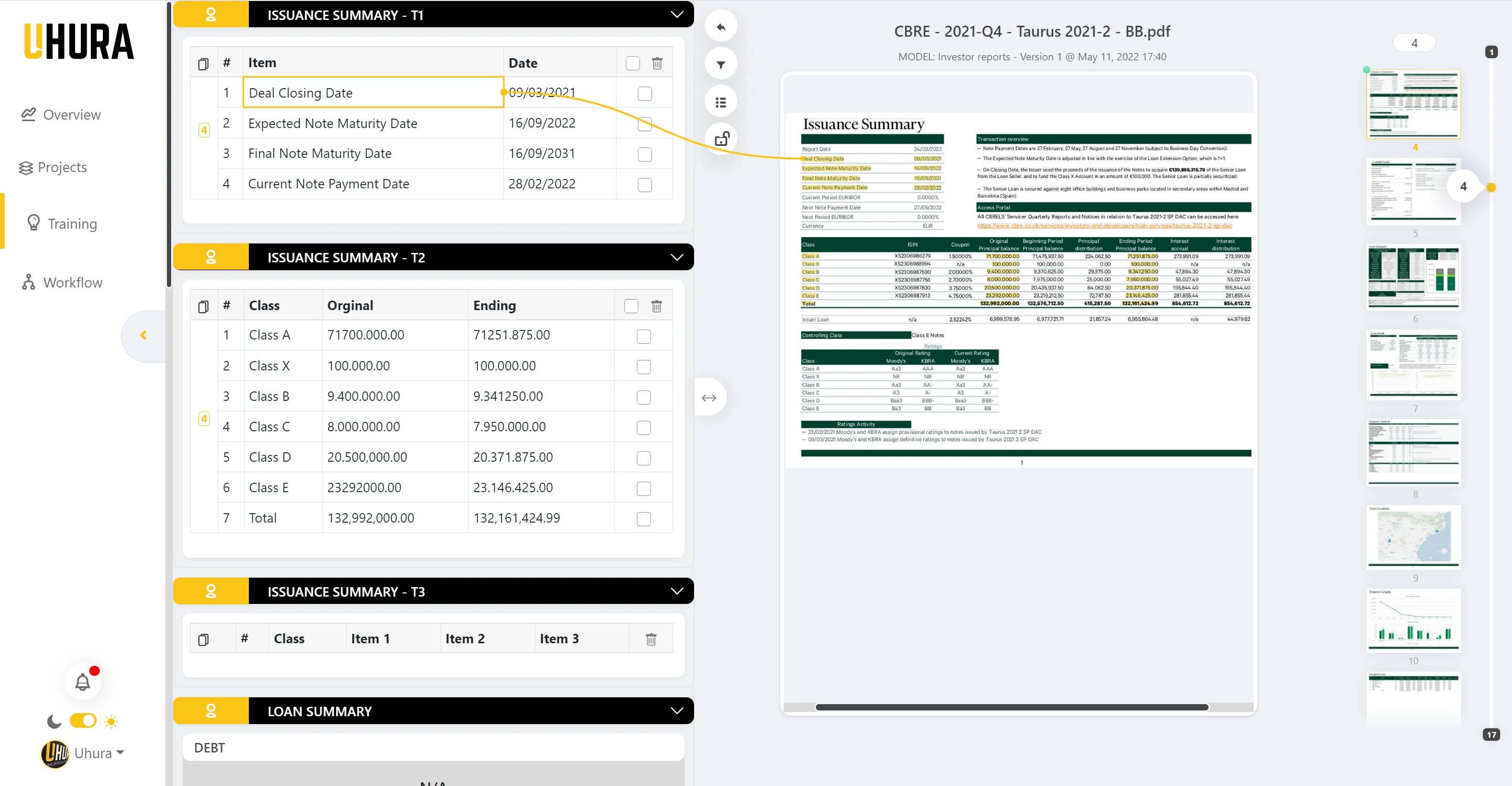
Give the paperwork a first pass.
Both change how people work with documents. Procurement transparency makes transactions inspectable; document extraction supports a workflow and still needs checks on accuracy.