Turn a pile of documents into a reviewable workflow.
Contracts and forms can hold the same information in many different layouts. Uhura combines document classification and data extraction so a reviewer can start with organised information rather than a pile of files.
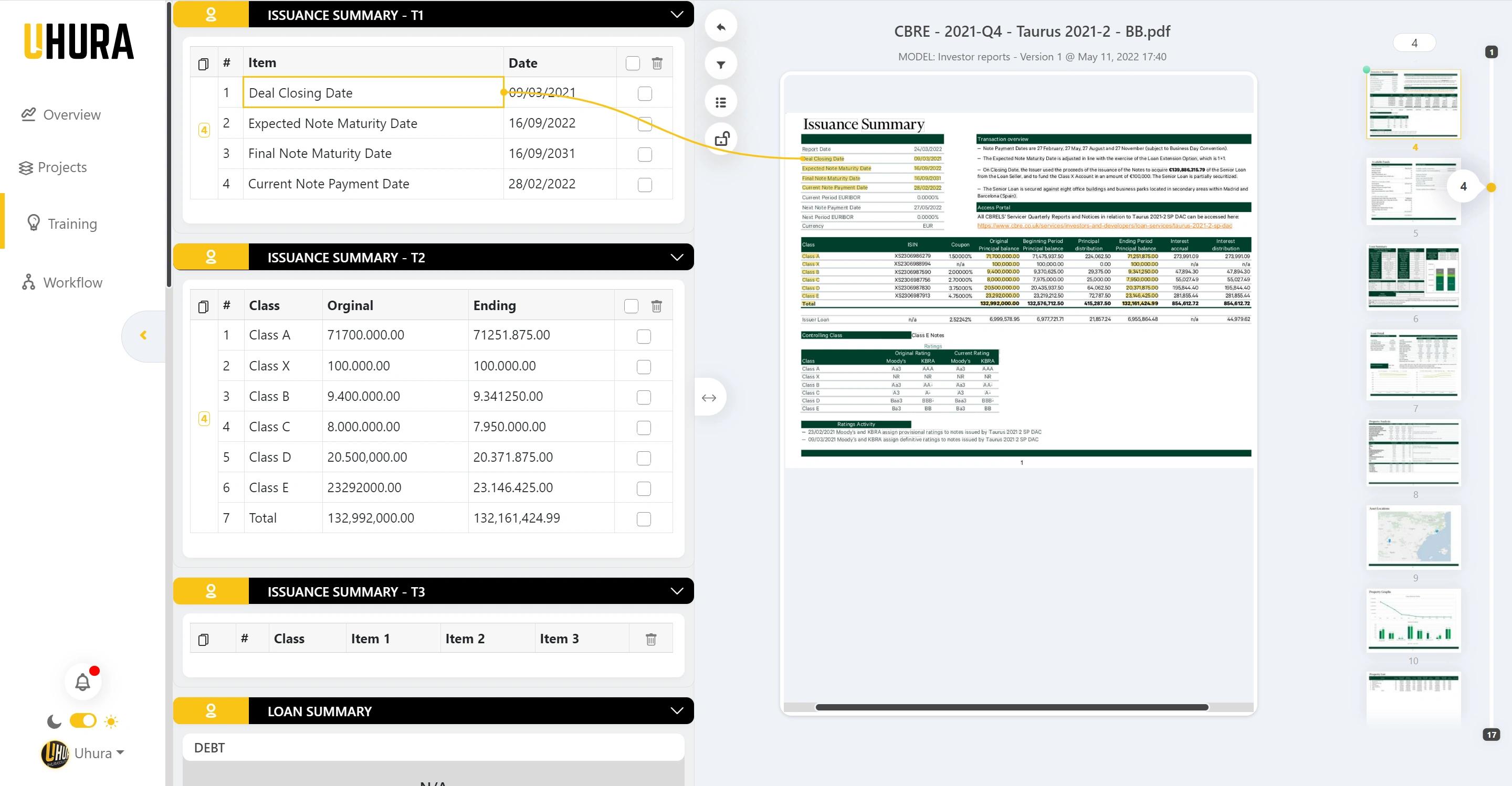
In practice. A commercial document-processing platform with a London headquarters and research and development in Montenegro. Tehnopolis records a completed 2021 contract-intelligence project.
What to keep in view
Company descriptions establish the offered workflow, not independently verified accuracy, time savings or suitability for a particular regulated decision.
Connect extraction to the next decision
Uhura’s platform classifies documents, extracts information and connects that information to review processes. Its low-code approach lets organisations assemble document workflows without building every step from scratch. The company’s 2022 funding announcement identifies London as its headquarters and Montenegro as its research and development base.
The Montenegrin innovation centre Tehnopolis separately records a 2021 project with Uhura, supported by the country’s Ministry of Science. Its documented output was a platform for document classification, extraction and analysis using machine learning. This gives the country connection a concrete research and institutional basis.
Keep a person responsible for the result
Our reading: the opportunity is not merely to recognise text. It is to make a repeatable route from an incoming document to the information someone needs to check. Different layouts, missing fields and exceptions make that a workflow problem as much as a recognition problem.
A useful implementation would show where extracted values came from, flag uncertainty and route exceptions to a person. Those are criteria for judging this type of system, not claims that every deployment has already met them.
Read next.
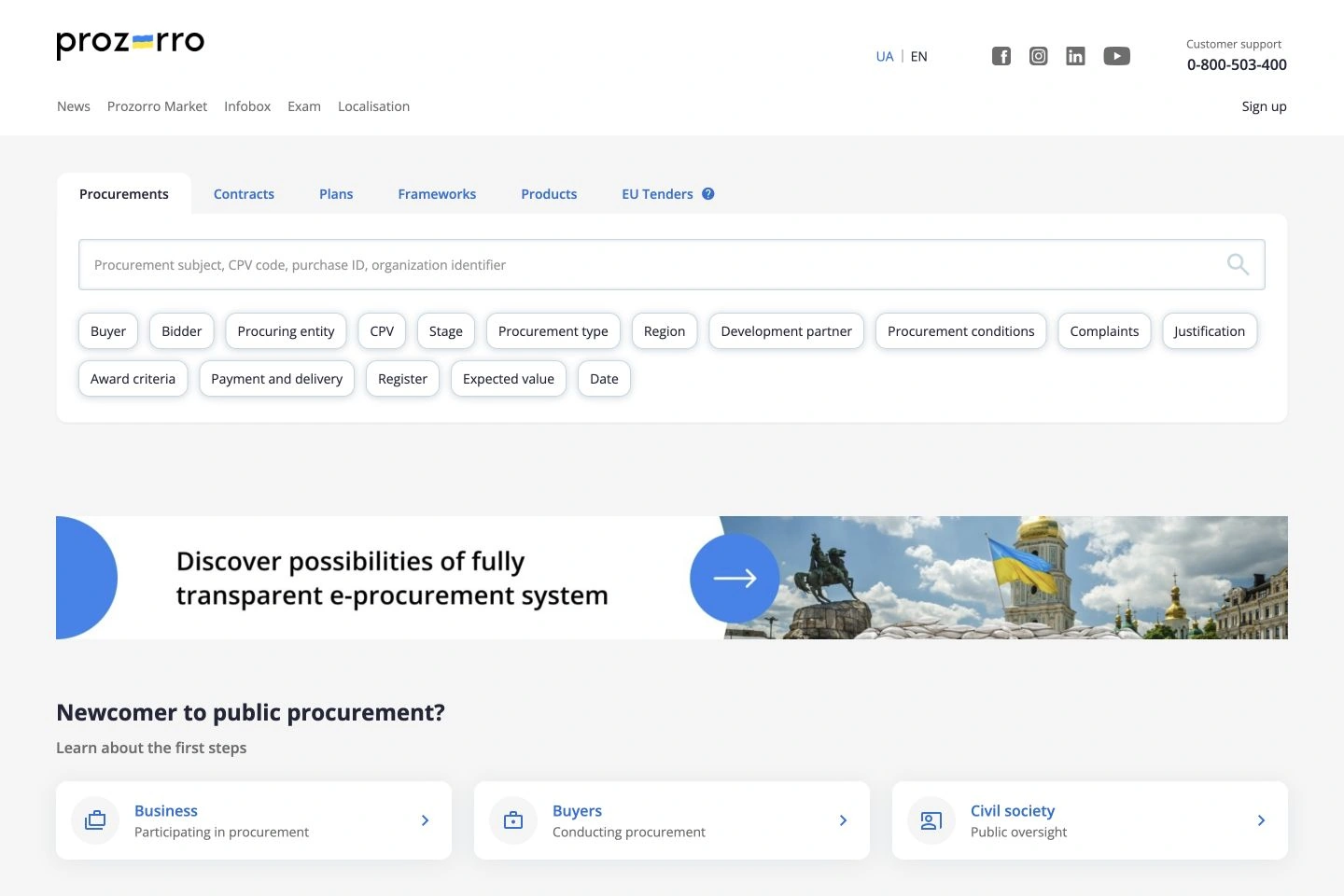
Make public buying visible.
Both change how people work with documents. Procurement transparency makes transactions inspectable; document extraction supports a workflow and still needs checks on accuracy.
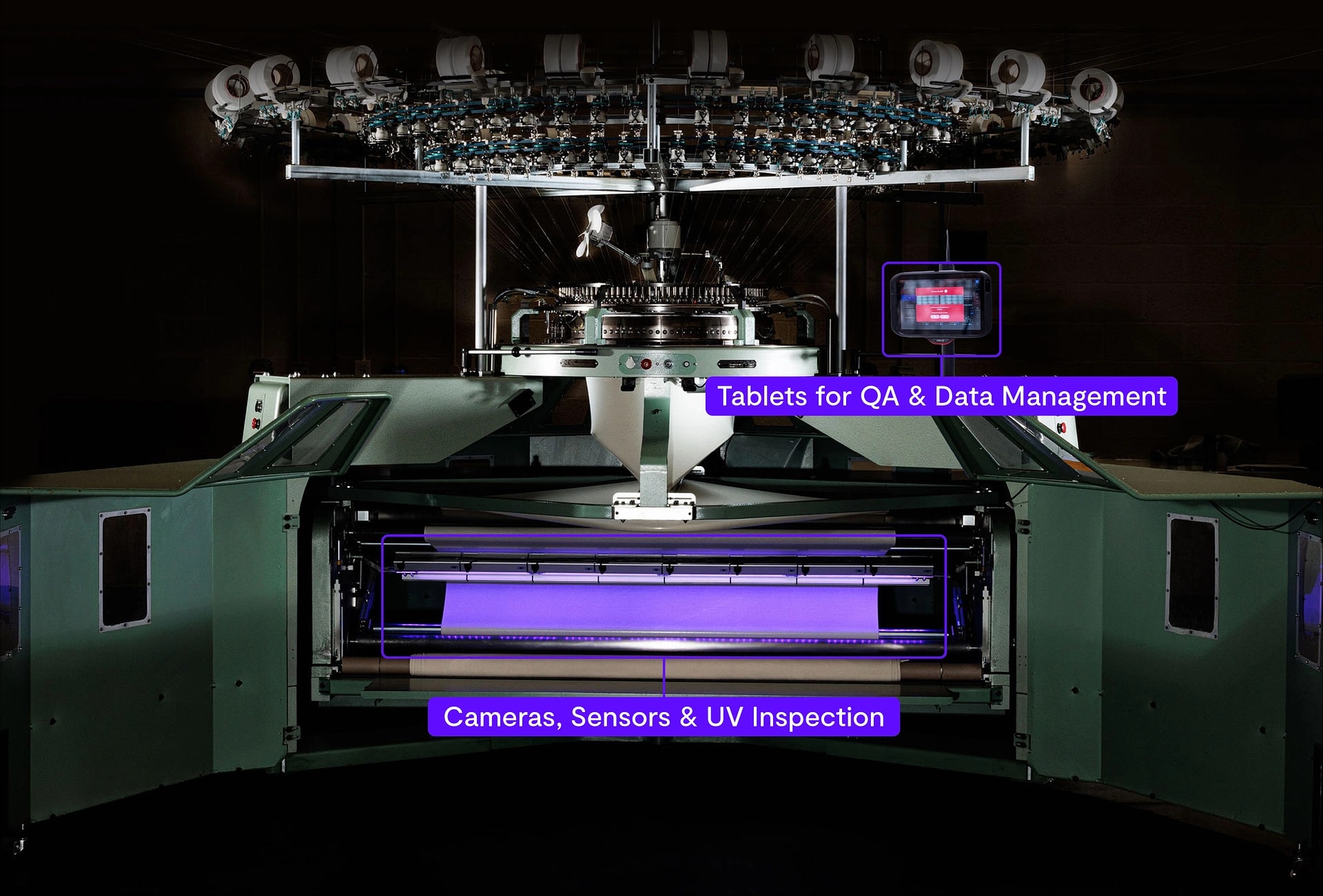
Inspect while the machine is knitting.
Both insert automated inspection into an existing workflow. Reading a document and detecting a textile defect need different training data, accuracy checks and routes for human review.