A new way to put wind to work.
A ship can use wind without returning to a conventional sail. Norsepower’s motor-driven cylinders generate additional thrust, making wind assistance a retrofit question as well as a new-vessel design choice.
 FI Finland
In practice. Rotor sails are installed on commercial vessels. SC Connector received two tilting units in January 2021; reported fuel savings belong to particular ships, routes and trial periods.
What to keep in view
The cited trial result is recounted by industry participants. It is not the underlying independent dataset, and does not establish savings across the wider fleet.
Make the cylinder do the work
An electric motor spins each tall cylinder. Wind moving around the rotating surface creates an aerodynamic force through the Magnus effect; the useful component contributes to the ship’s propulsion. The aim is to reduce the work required from the main engine, after accounting for the energy used by the rotor system.
SC Connector shows how installation depends on the vessel’s actual job. Norsepower records a January 2021 retrofit of two cylinders, each 35 metres high and 5 metres wide. Their tilting arrangement lets the ship pass beneath bridges. The integration solves a route constraint that a fixed upright sail would create.
Read a saving with its vessel attached
NAPA’s December 2020 review cites an announced 8.2% fuel reduction in a 12-month Maersk Pelican rotor-sail trial. That is a different ship from SC Connector, which appears in our photograph. The figure should stay attached to that trial, rather than becoming a promise for every installation.
Wind direction, ship speed, route and operating choices all affect the opportunity. Assessing a retrofit therefore means examining a vessel’s work over time and the assumptions behind its comparison, not simply the height or number of cylinders.
Our reading: familiar physics becomes useful through integration and measurement. A retrofit can improve an existing asset, but the relevant result is a verified net saving in its own operating conditions.
Reported vessel trial · 12-month trial, recounted December 2020
8.2% less fuel in one 12-month trial
NAPA’s December 2020 review recounts an announced 8.2% fuel reduction in a Maersk Pelican rotor-sail trial.
What this tells us. This is an industry account of a particular trial, not the underlying dataset or a fleet-wide saving. Our photograph shows the different vessel SC Connector.
Read next.
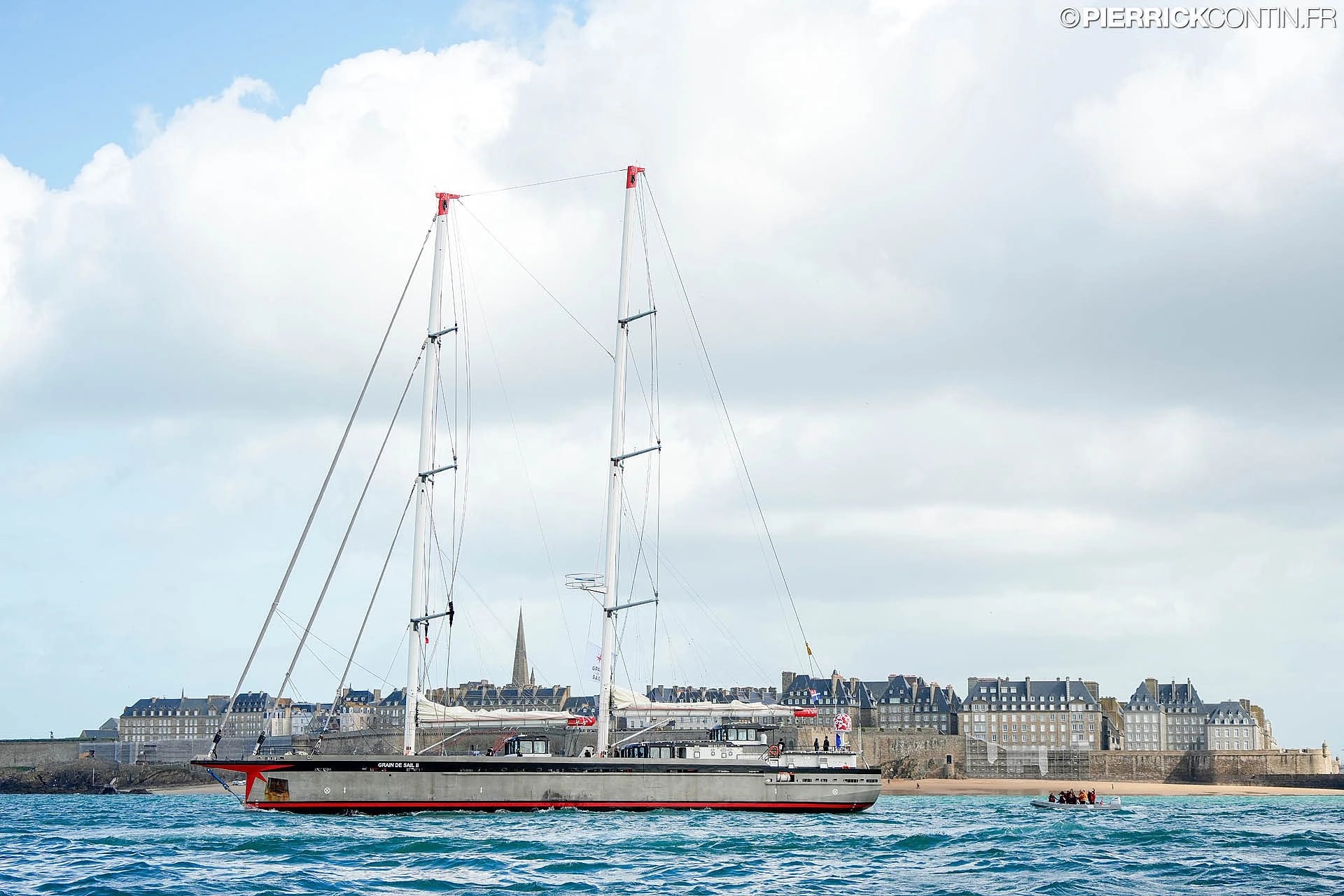
Sailing cargo with an operating model.
Two roles for wind in shipping: organising freight around sails and adding rotor-assisted propulsion. Route, weather and operating model determine the comparison.
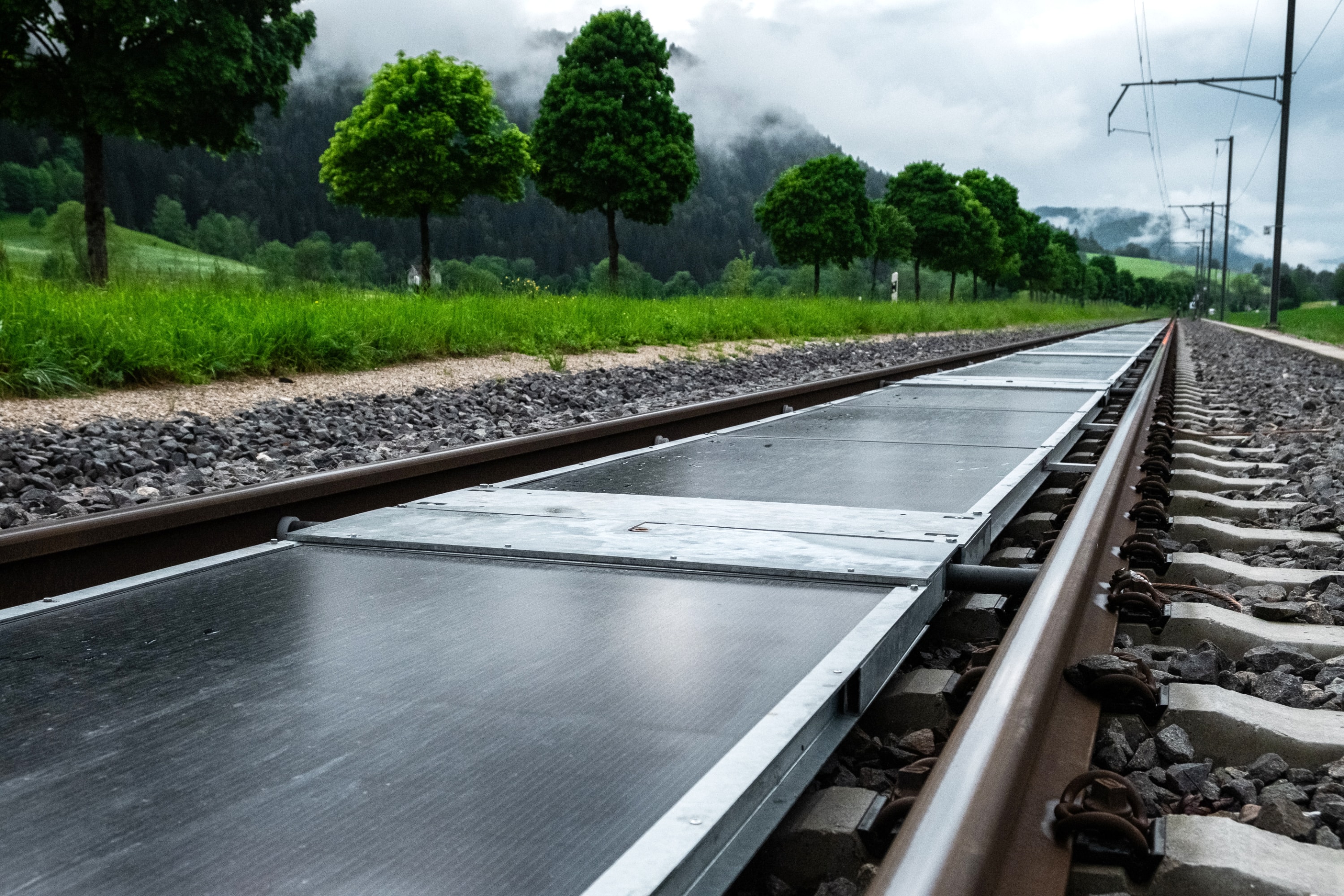
A second use for a working railway.
Both add an energy function to existing transport infrastructure. Rotor sails assist propulsion, while panels between rails generate electricity; integration and maintenance determine the practical result.