Design the freight service around the wind.
Grain de Sail II is a purpose-built sailing cargo vessel connecting European and American ports.
 FR France
In practice. A French-operated cargo vessel whose transatlantic crossings began in March 2024; construction combined French and Vietnamese work.
What to keep in view
Auxiliary propulsion, port operations and variable winds remain part of the service. It is not emissions-free or a replacement for every shipping route.
More than a sail added to a ship
Grain de Sail II is a purpose-built sailing cargo vessel linking European and American ports. Its freight service is organised around sail propulsion rather than treating a sail as a minor addition to a conventional ship. The vessel forms part of Grain de Sail's wider sourcing and transport activity. Ports, cargo suitability, wind and handling remain practical parts of the service. The operator documents a French design and supplier network with hull construction at Piriou’s Vietnamese yard; French attribution here refers to the company and operating model, not wholly domestic construction.
Sail propulsion is central to the freight operation rather than a small auxiliary feature on a conventional ship.
Energy changes the timetable
Our reading: changing propulsion changes more than an engine. It also changes route planning, schedules, available capacity and which cargo makes sense. The distinctive reading is a commercial logistics operation designed around wind, with its constraints kept visible.
Redesign the operating service around a different energy source rather than assuming the old schedule and cargo model remain identical.
Read next.
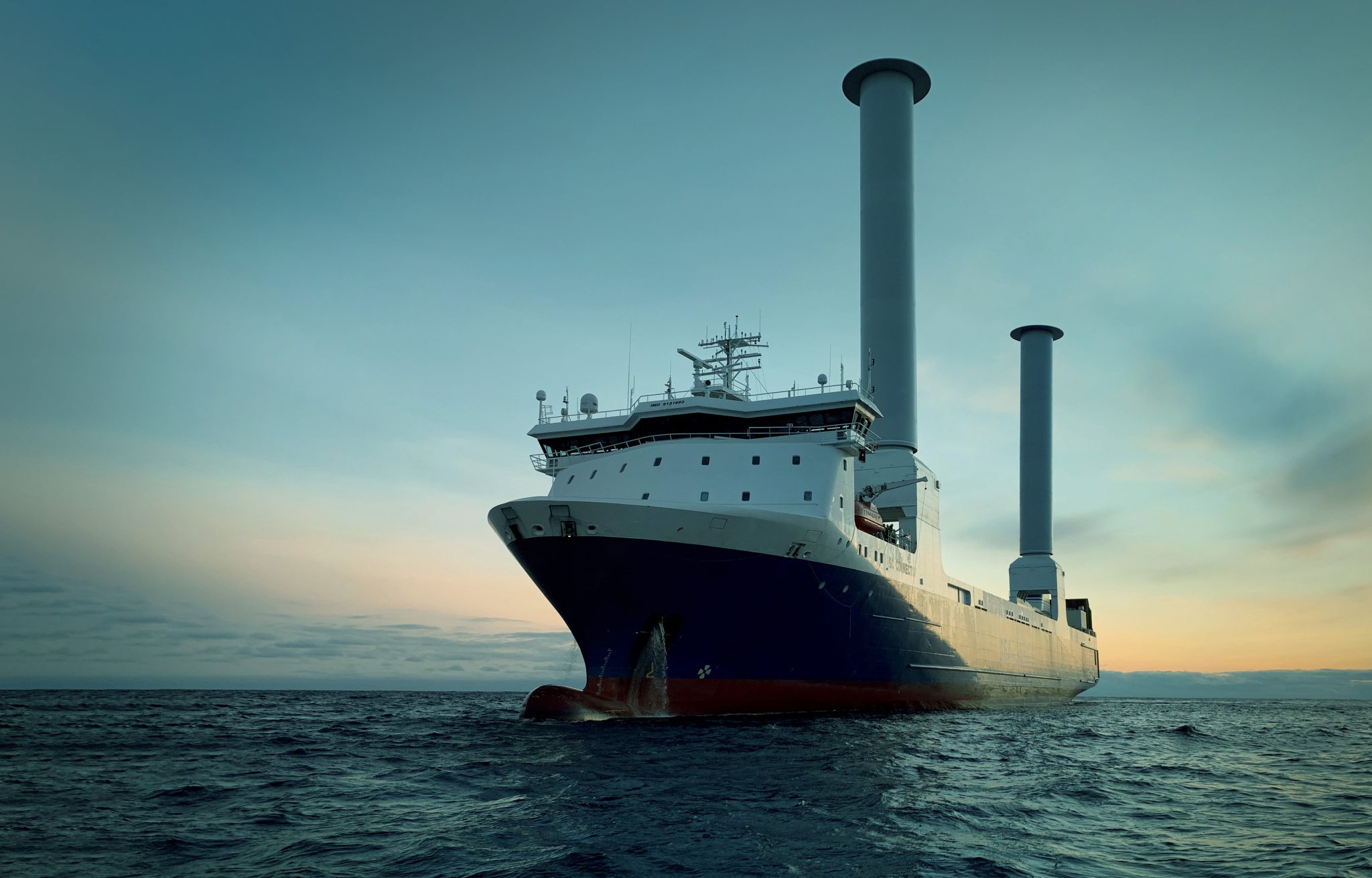
A new way to put wind to work.
Two roles for wind in shipping: organising freight around sails and adding rotor-assisted propulsion. Route, weather and operating model determine the comparison.
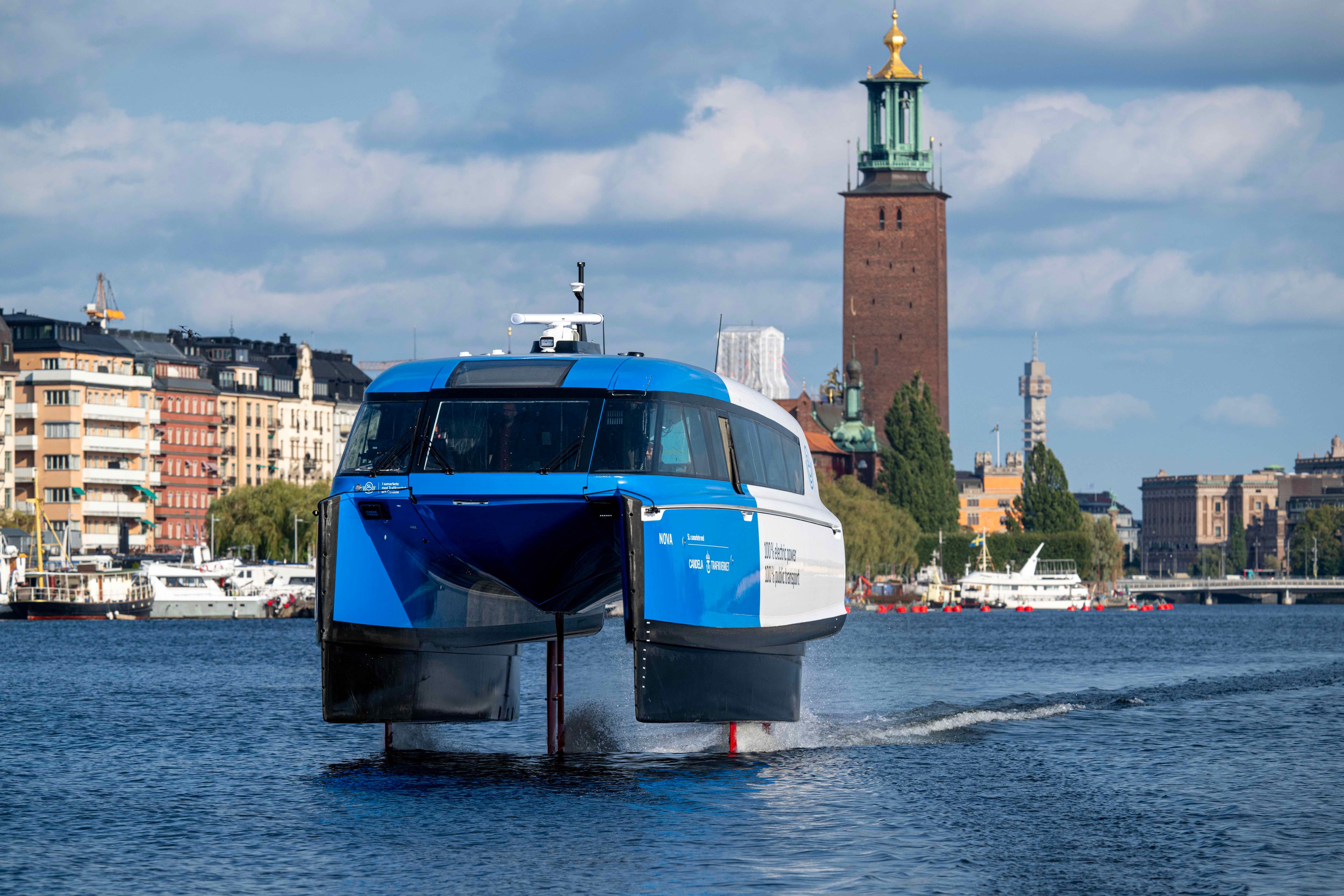
A commute above the water.
Both redesign a vessel around how it uses energy. Cargo sailing and a passenger hydrofoil serve different routes, loads and timetables.