Give a satellite a way to look at itself.
Once a satellite is in orbit, an engineer cannot walk around it. NanoAvionics gave MP42 a camera on a deployable arm, creating another way to inspect the machine.
 LT Lithuania
In practice. MP42 launched in April 2022. In October 2024, Kongsberg NanoAvionics reported finding an approximately 6 mm hole in a solar panel through a later camera image.
What to keep in view
The cause and timing of the impact remain uncertain. This entry concerns the 2022 MP42 mission, not the later Gen-2 satellite family.
Adapt an ordinary camera to an extraordinary setting
The engineers used a GoPro Hero 7, but not as a ready-made space component. They changed the housing, built control electronics and software, and tested the assembly for launch loads, vacuum and temperature changes.
The resulting images also supplied a demanding data stream for the satellite’s new payload controller. A visually engaging experiment therefore served an engineering purpose: testing how the onboard system handled large image and video files.
Make inspection possible after deployment
The case shows why visual access can complement numerical monitoring. An image may expose a condition that does not immediately change the system’s headline performance. It also makes the limits of that evidence clear: seeing the hole does not reconstruct the event.
Operator-reported observation · Observation reported 30 October 2024
An onboard camera revealed a damaged panel
NanoAvionics reported that an October 2024 image showed a roughly 6 mm hole in an MP42 solar panel, while the satellite continued its mission.
What this tells us. The image made damage inspectable. The company could not establish exactly when the impact happened or identify the object responsible.
Read next.
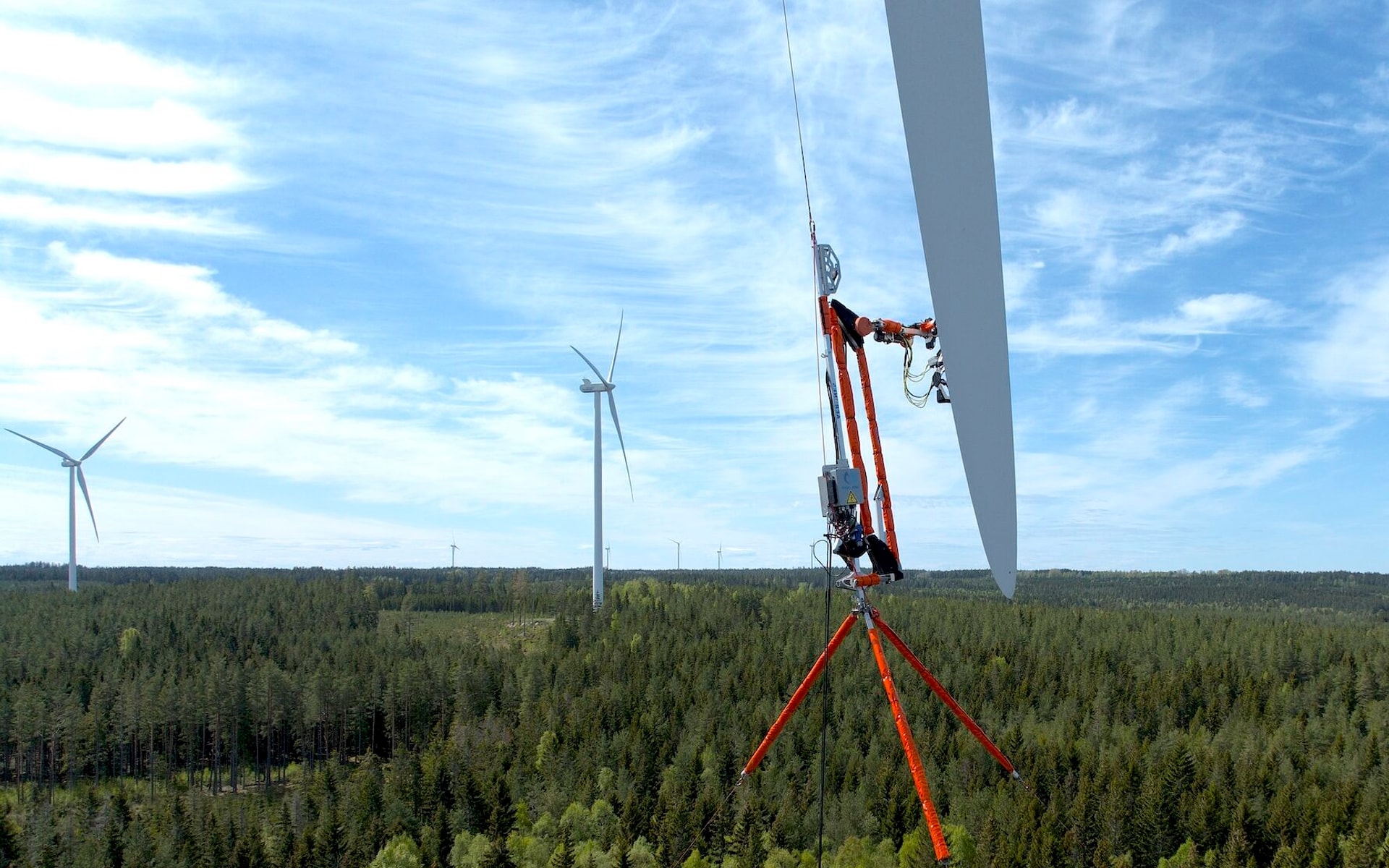
Bring the workshop up the turbine.
Both make hard-to-reach infrastructure inspectable. Compare a satellite carrying its own camera with a robot brought to a turbine.
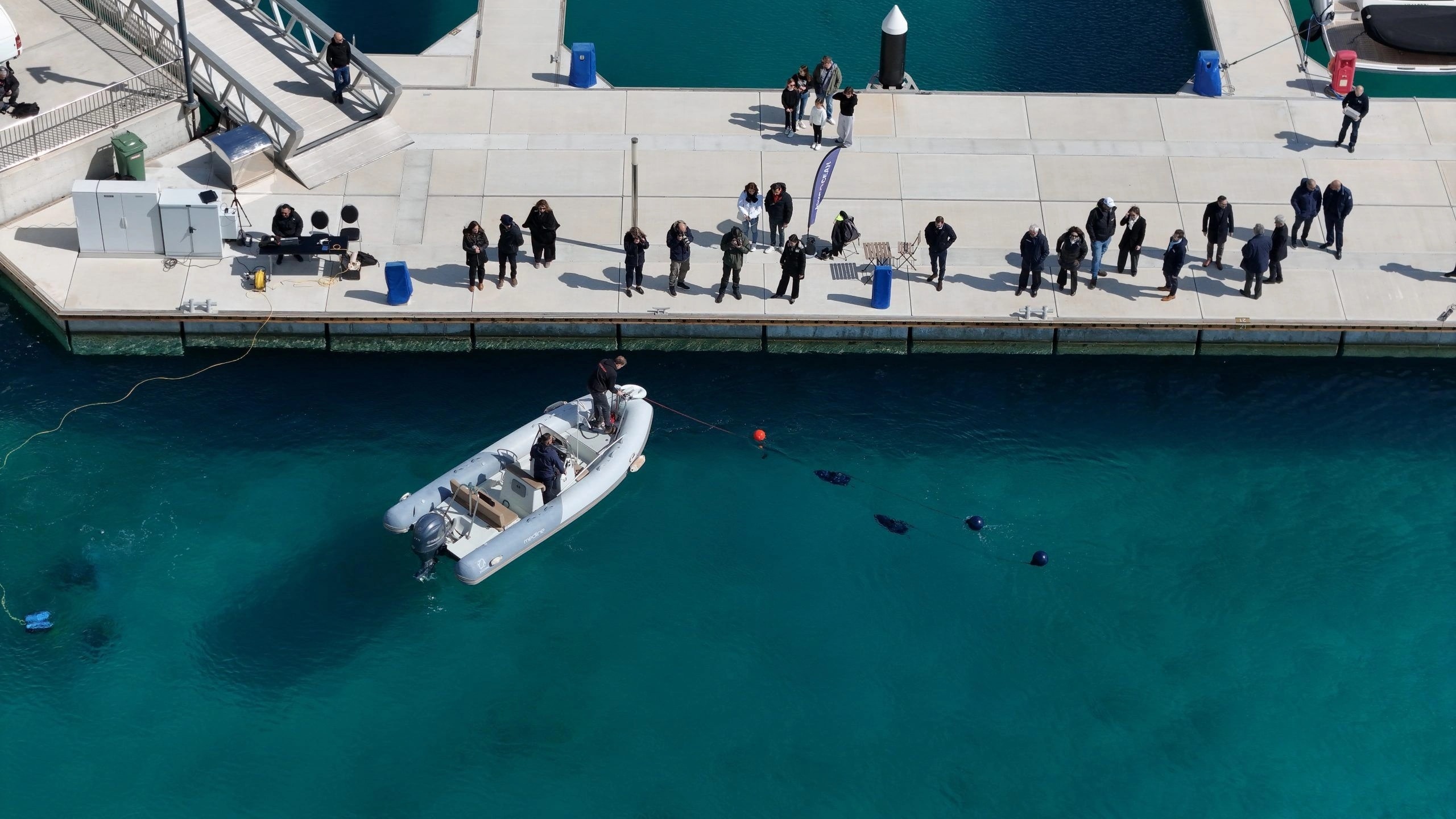
Explore how underwater robots could stay on site.
Both address how remote equipment can be observed and supported. An orbital mission and an underwater research project face different energy and communication limits.