Explore how underwater robots could stay on site.
An underwater vehicle usually has to return to people for support. EONIOS explores a different arrangement: a group of small vehicles with a local base beneath the surface.
 CY Cyprus
In practice. A micro-AUV demonstration took place at Ayia Napa Marina in February 2025. The fully resident system with reef-integrated docking remains a development ambition in the reviewed evidence.
What to keep in view
This entry covers research and a documented demonstration. Planned readiness dates are not proof of completed deployment, and ecological benefits remain to be established.
Separate the working demonstration from the full concept
The Cyprus Marine and Maritime Institute, SignalGeneriX, Arkeocean and Lanego are collaborating on EONIOS. The concept brings small autonomous underwater vehicles together with docking stations integrated into artificial reef structures, intended to support repeated observation of a marine area.
The partners held a live demonstration at Ayia Napa Marina in February 2025. That event showed a stage of the vehicle research. It should not be confused with evidence that the complete resident reef-and-docking system has already been operating independently for months.
Design the support system, not just the robot
The interesting question is what makes repeated underwater observation practical. Navigation, communication, energy, docking and maintenance all have to work together. A capable vehicle alone cannot provide a dependable long-term monitoring service.
Combining technical infrastructure with a habitat proposal adds another test: the two roles must be evaluated separately. A structure useful to a robot is not automatically beneficial to marine life. Both need evidence from actual deployment.
Read next.
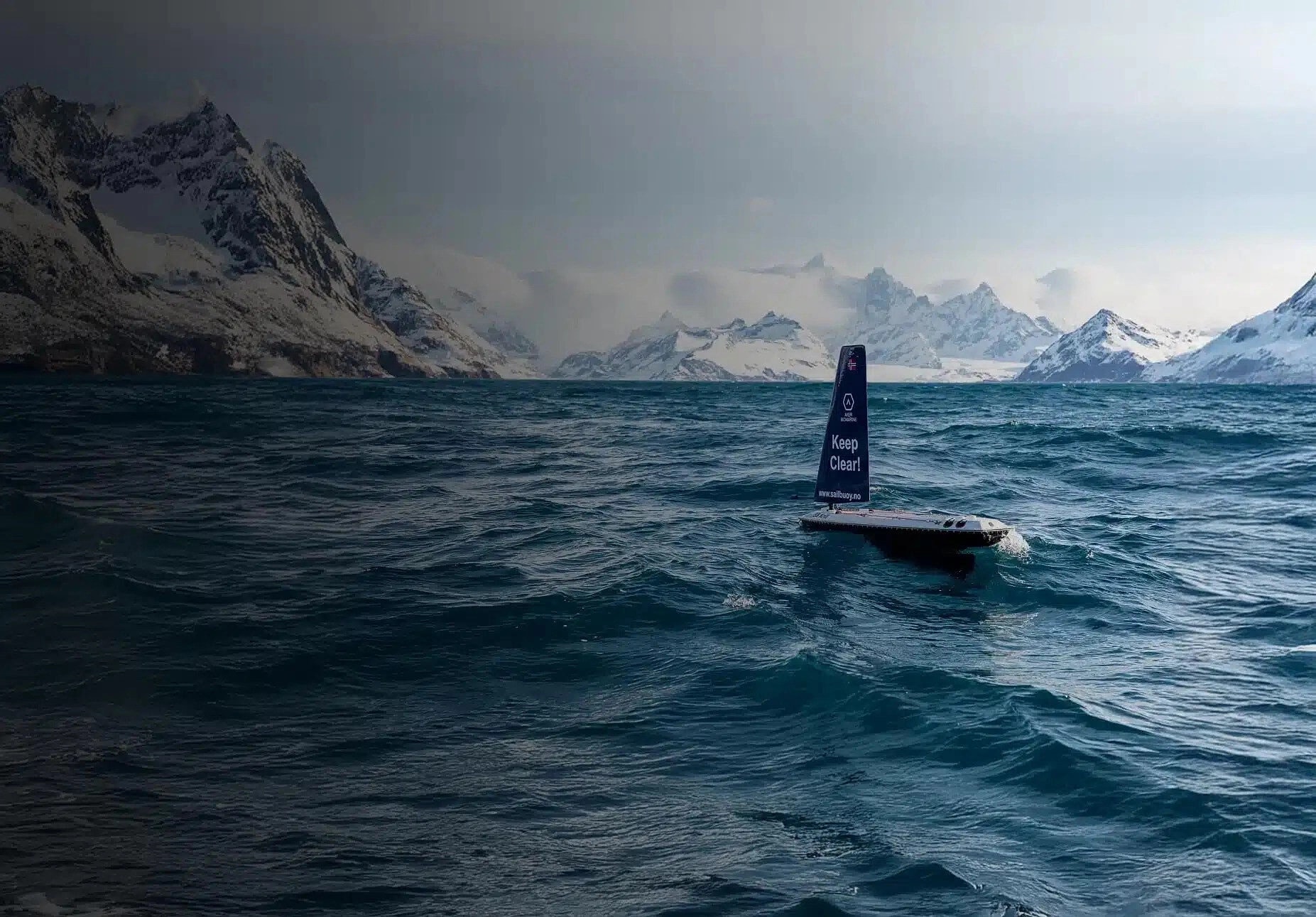
Send the instruments without a crewed ship.
Both ask how marine observation can continue away from a research vessel. Energy and support systems are central to that question.
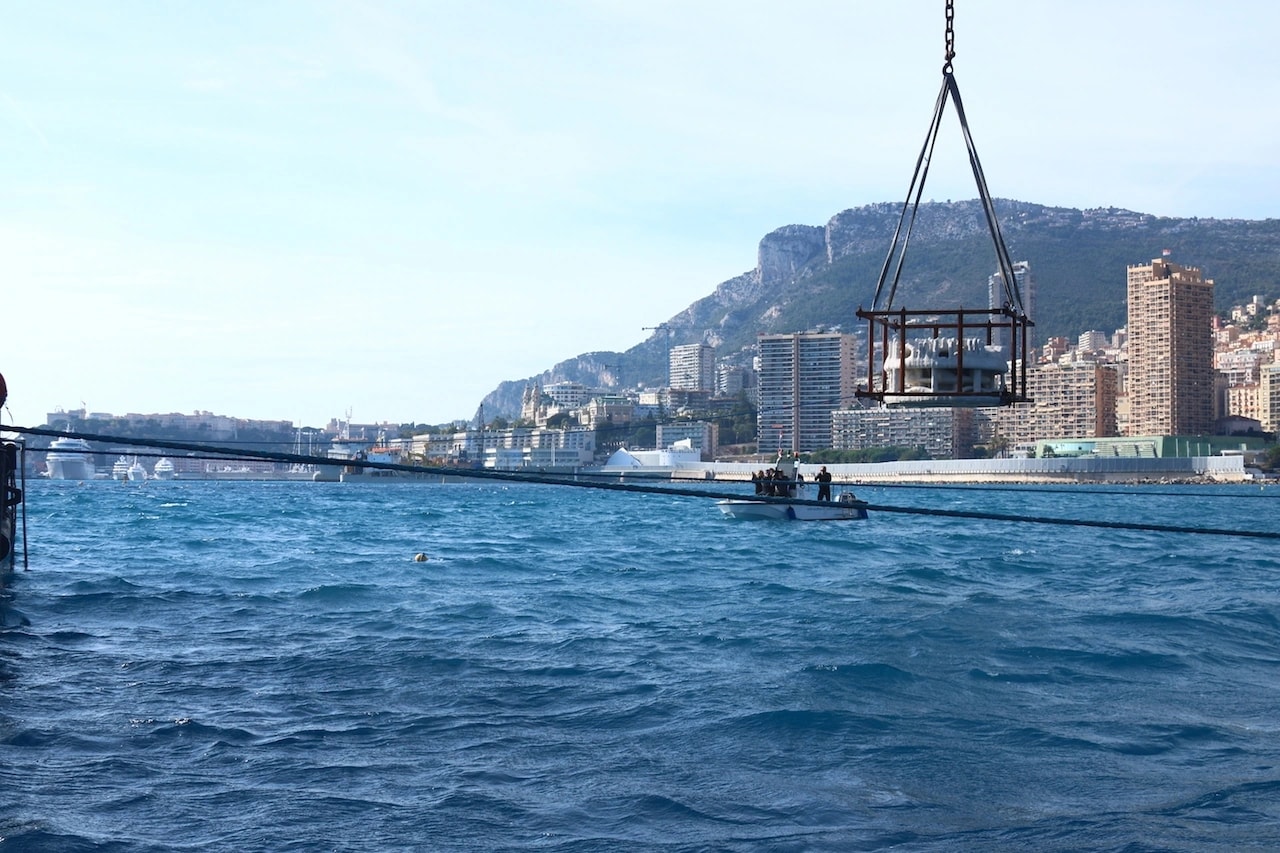
Design a surface that marine life can occupy.
Both involve designed structures in marine habitats. EONIOS adds a proposed robotics role; Larvotto offers a separate example of ecological monitoring.