An ordinary object can hold an extraordinary ending.
Ordinary objects donated with personal stories turn private endings into a shared, anonymous archive.
 HR Croatia
In practice. An established museum in Zagreb and an international participatory collection built from donated objects and personal accounts.
What to keep in view
The institution must protect the donor’s boundary while resisting spectacle or therapeutic claims it cannot support.
A collection without precious objects
The Museum of Broken Relationships collects objects associated with ended relationships and exhibits them beside short accounts supplied by donors, without requiring conventional artistic or historical significance.
Emotional residue became a curatorial category through the pairing of a commonplace object and a bounded first-person story.
Care is part of the curatorial method
Our reading: museums normally preserve authorised public history while intimate loss remains private, dispersed and difficult to share without exposure.
Participatory collections need clear consent, proportionate anonymity, sensitive editing and durable stewardship. The institution must protect the donor’s boundary while resisting spectacle or therapeutic claims it cannot support.
Read next.
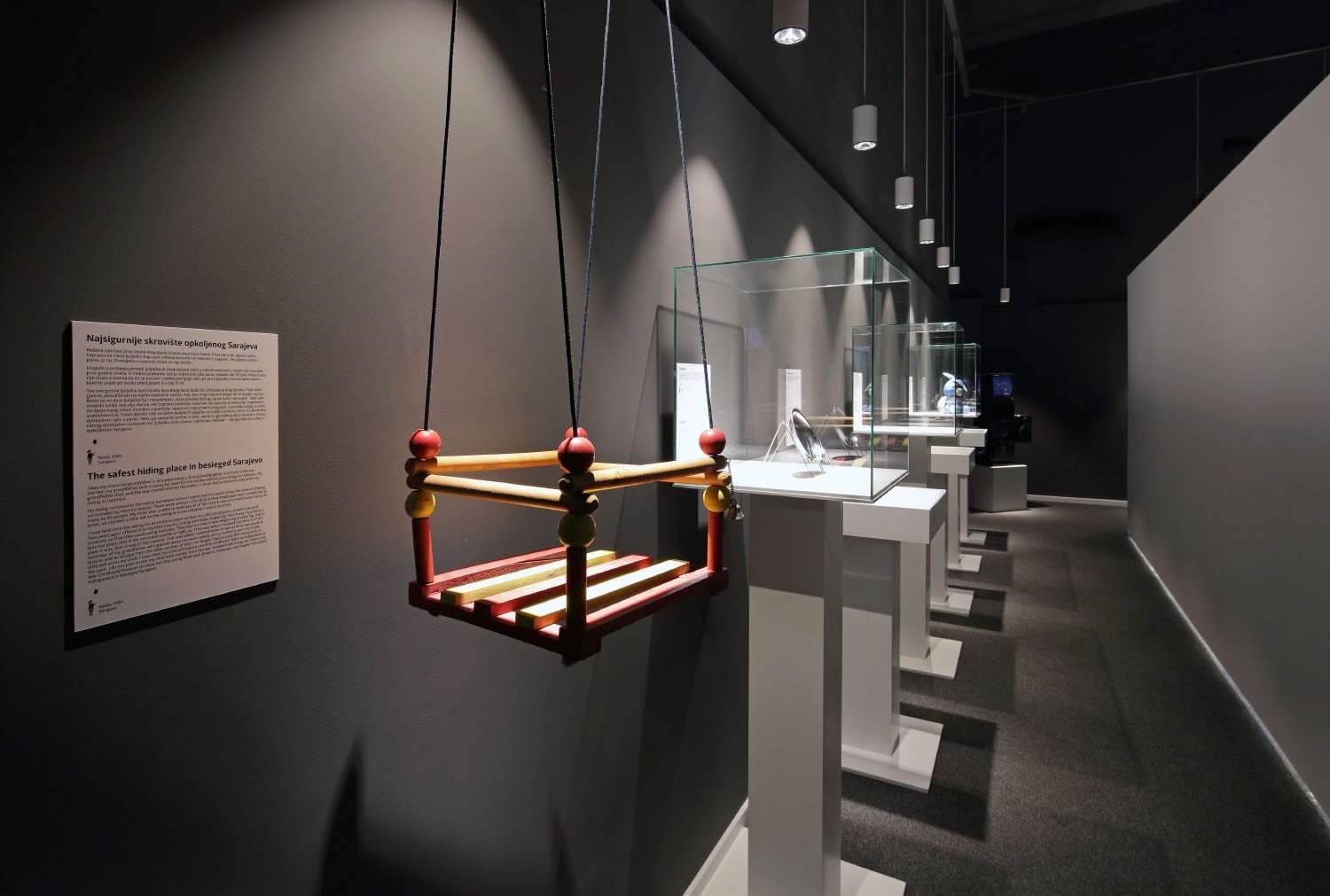
History, through a child’s belongings.
Both preserve personal experience through ordinary donated objects. Consent, context and careful editing are part of the collection’s value.
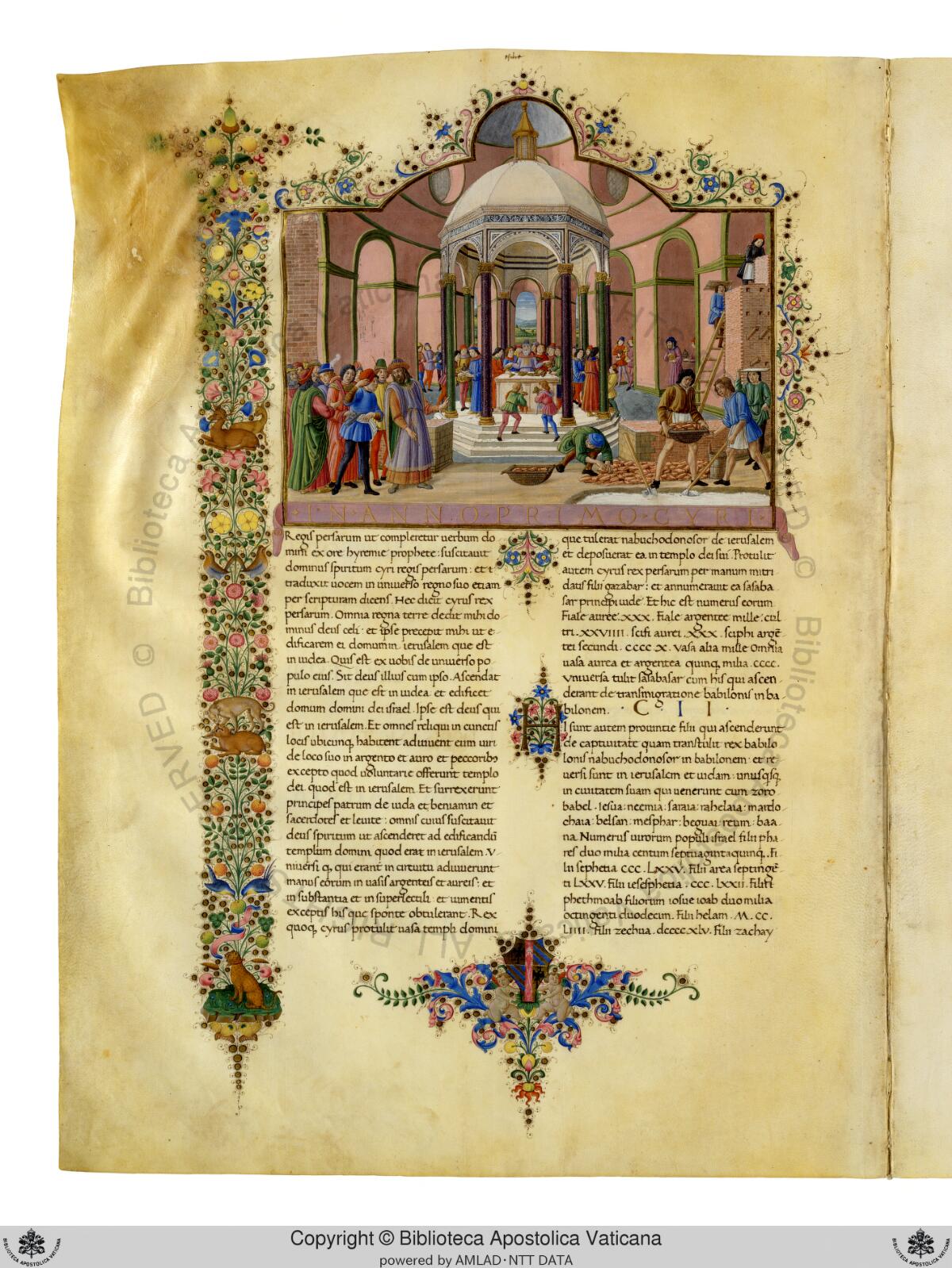
Give an old manuscript a wider audience.
Two forms of cultural stewardship: intimate personal testimony and historic written collections. Access gains value when context and preservation travel with it.