A small object can carry a history that is otherwise missed.
A toy, an item of clothing or an ordinary keepsake can hold a story that an official chronology leaves out. This museum begins with the person who kept it.
 BA Bosnia and Herzegovina
In practice. The Sarajevo permanent exhibition opened in January 2017. The museum documents a collection and research method built around objects and personal testimony.
What to keep in view
The museum documents its exhibitions and methodology. Visitor reactions do not establish therapeutic or reconciliation outcomes. Personal testimony requires context and should not be treated as a representative sample of every childhood affected by war.
Let the object keep its story
The museum pairs donated personal belongings with accounts of growing up during war. Its Sarajevo exhibition rotates material from the collection, allowing different experiences to be presented rather than fixing one permanent selection.
The research methodology places participants and their accounts at the centre of collection work. The object is not simply an illustration of a curator’s argument; its meaning comes from the person whose experience it carries.
A method worth understanding carefully
Our reading: the important contribution is a way of collecting and presenting history that makes room for voices often absent from institutional narratives. It requires care in consent, interpretation and the relationship between an individual story and wider historical context.
A moving encounter is not evidence of a therapeutic outcome. The museum’s value can be discussed without claiming that an exhibition heals trauma or resolves conflict.
Read next.
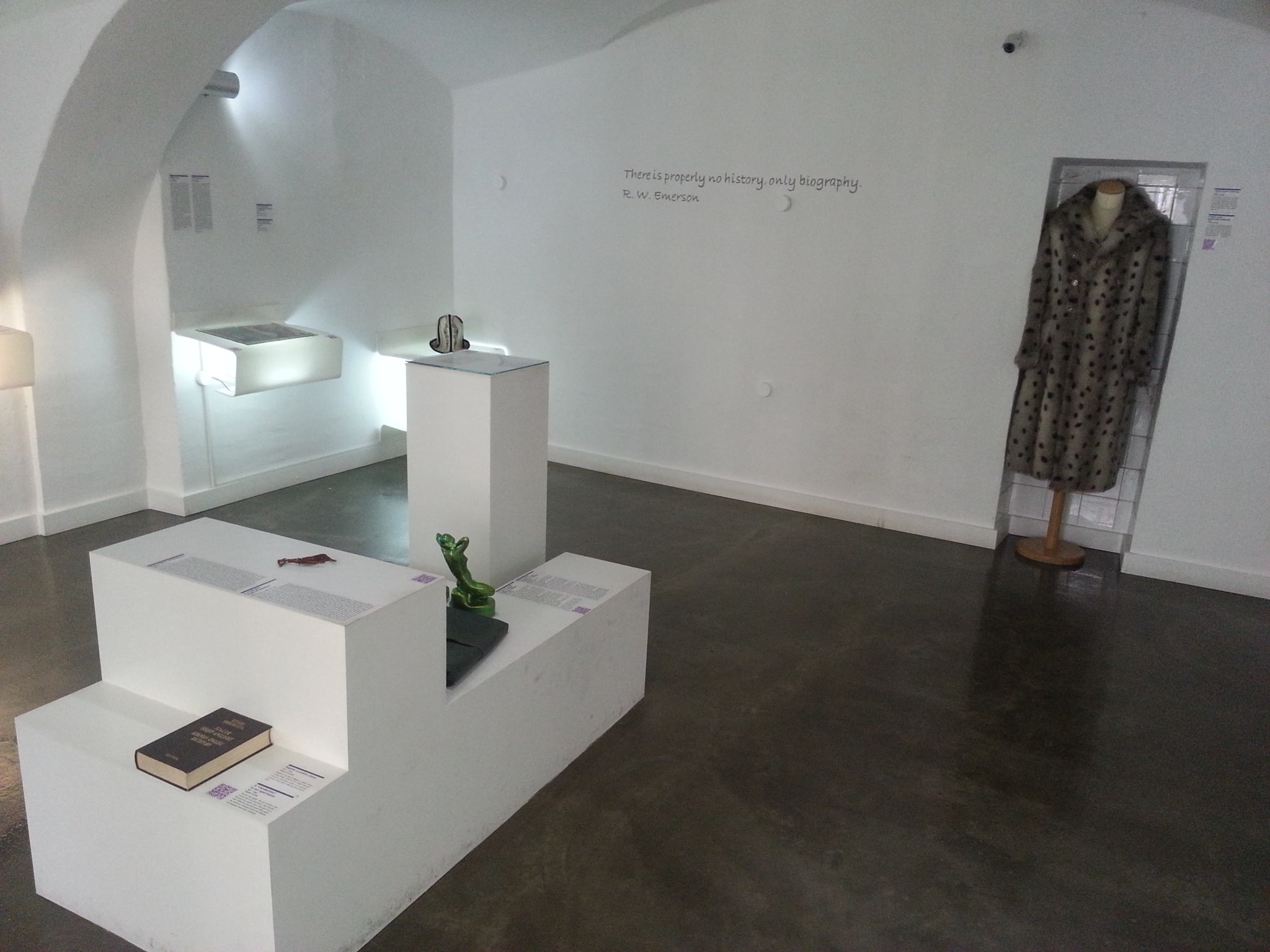
Private memories become a shared museum.
Both preserve personal experience through ordinary donated objects. Consent, context and careful editing are part of the collection’s value.
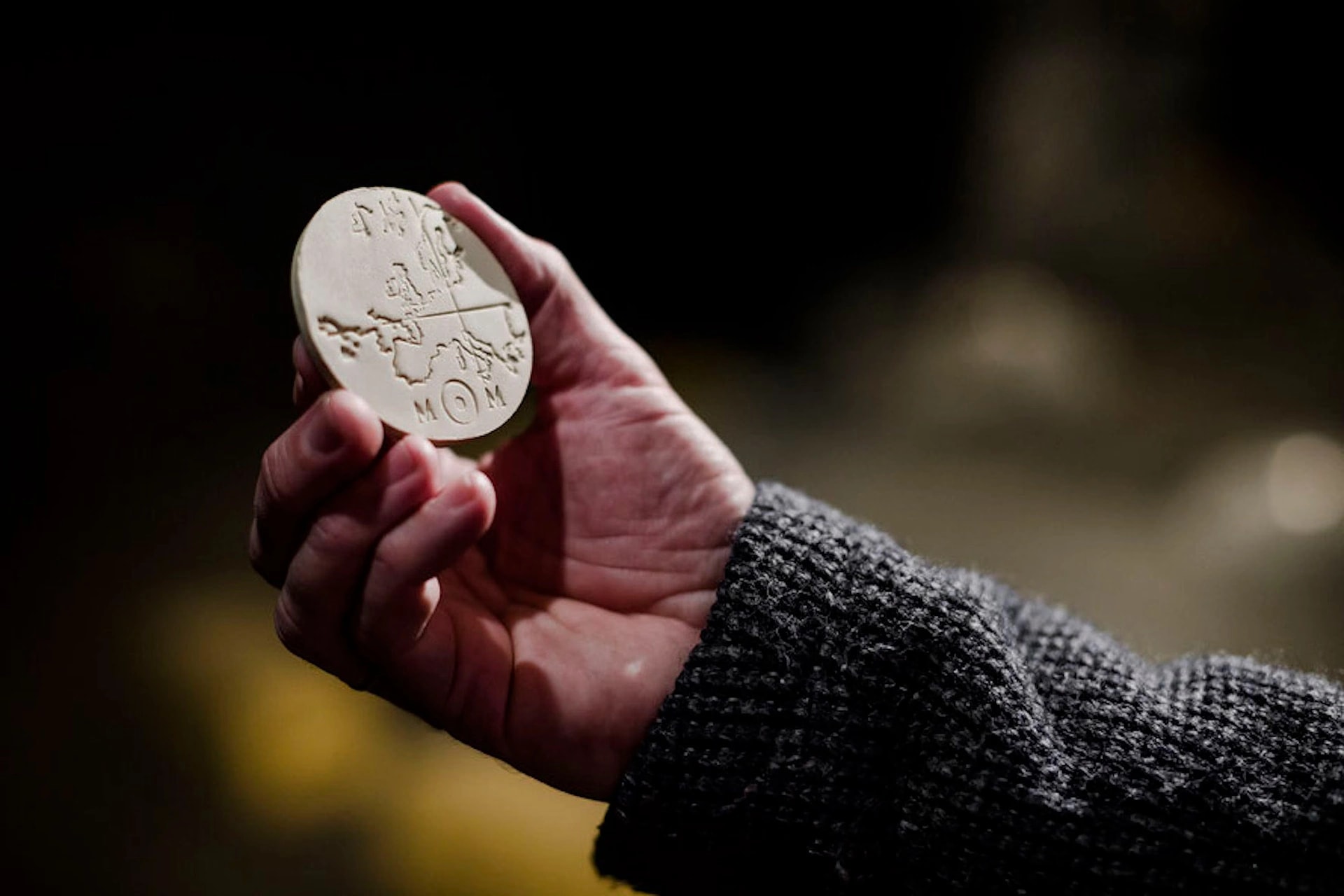
Keep the message readable without its computer.
Both make preservation an act of selection. An archive’s durable carrier and a museum’s personal objects raise different questions about what is remembered.