Remove the ticket from the everyday journey.
A visitor steps onto a domestic bus without choosing a fare or finding a ticket machine. Luxembourg’s national policy simplifies that everyday moment; the quality and funding of the service still matter.
 LU Luxembourg
In practice. A national fare-free public-transport policy introduced in 2020, applying to domestic bus, tram and second-class train journeys.
What to keep in view
Fare-free does not mean every transport service or cross-border journey is included. The policy’s existence does not by itself prove reduced car use or emissions.
Make the access rule easy to understand
The policy applies to residents and visitors alike. Domestic public buses, trams and second-class trains are included; first-class rail travel and cross-border fares are exceptions. The change aligned national and participating municipal services around one straightforward offer.
The network still needs public funding, staff, vehicles and infrastructure. Removing the fare changes the passenger’s interaction with that network, rather than making the transport itself costless.
Convenience still depends on the journey
Our reading: eliminating a small transaction can make spontaneous use easier, especially when people change services or make short trips. But price is only one part of a transport decision. Frequency, reliability, travel time and accessibility still determine whether the network is a practical alternative.
The ministry’s own explanation cautions against expecting a large immediate shift away from cars from fare removal alone. The useful lesson is to combine an inviting access rule with a service worth choosing.
Read next.
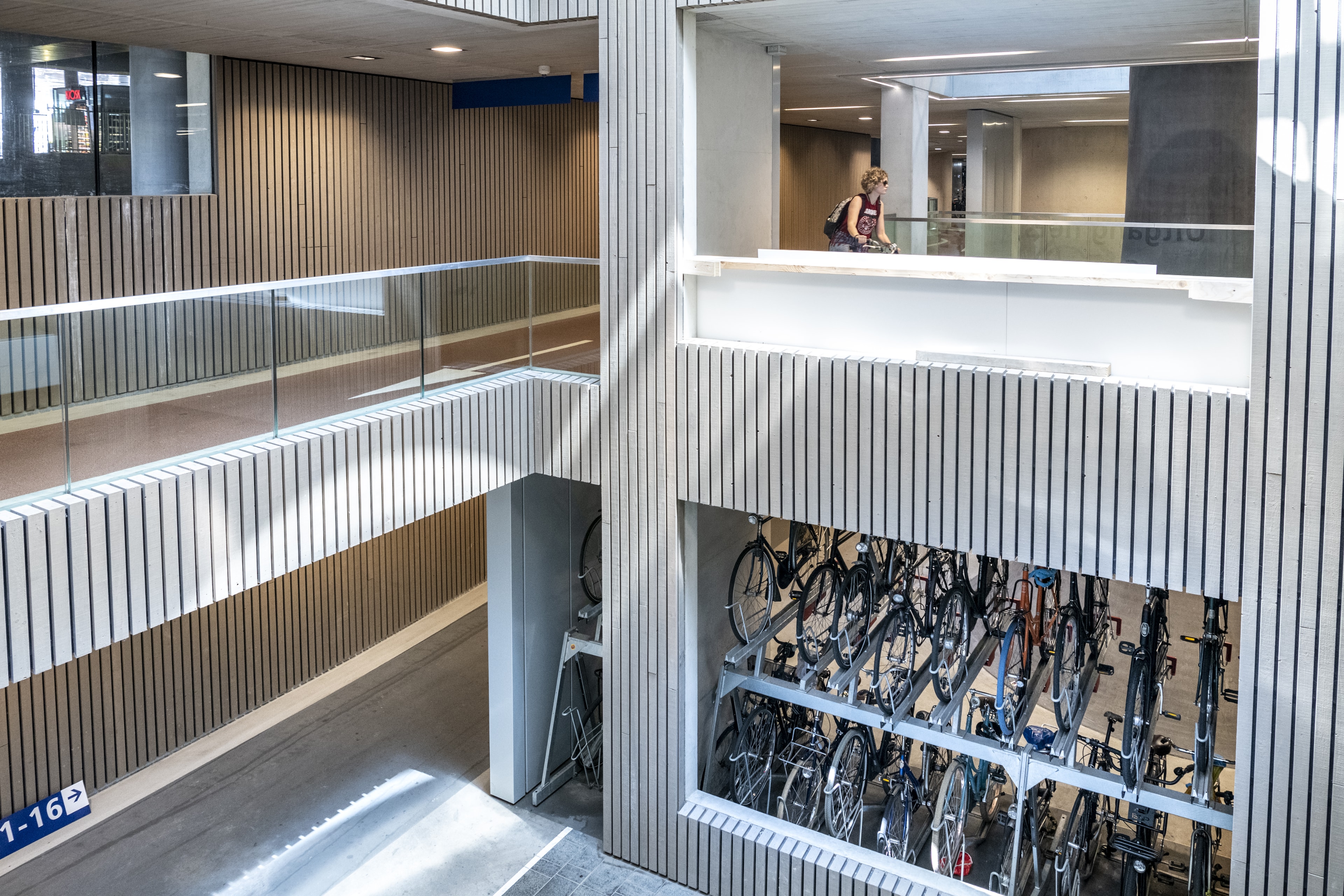
Make the last metres of a cycle journey work.
Both examine the transition into public transport. One organises arrival by bicycle; the other removes the ticket transaction.
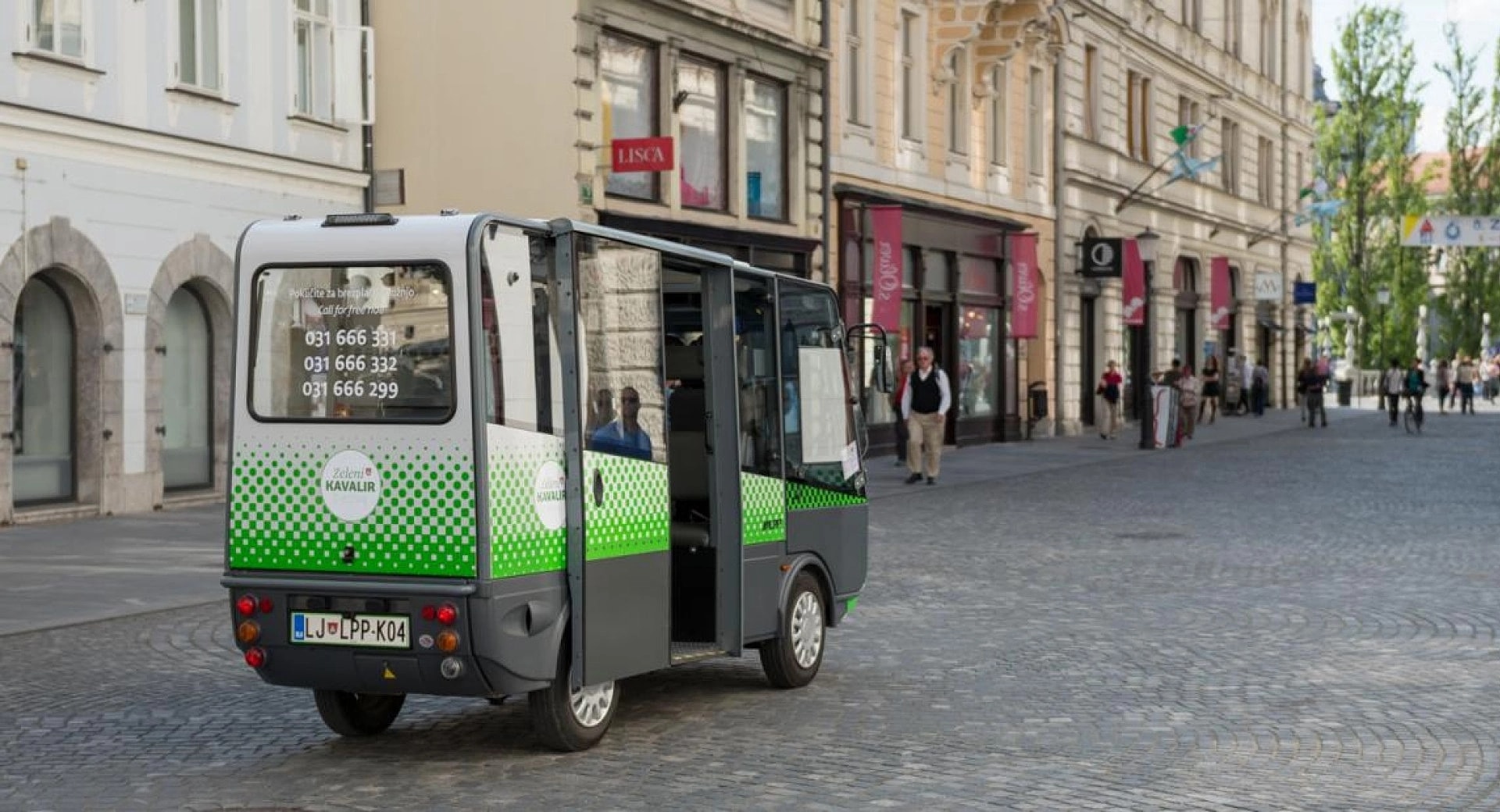
Keep a pedestrian centre reachable.
Both reduce a barrier to using public transport, at different scales: a targeted local ride and a nationwide domestic fare rule.