Borrow the tool for the job, then give it a next user.
You may need a carpet cleaner for a day, not a place to store one for years. London's Library of Things turns that distinction into a neighbourhood service: useful equipment, nearby collection and a system that keeps it ready for the next person.
 GB United Kingdom
In practice. A London service that began as a 2014 experiment and now offers online reservations and local collection.
What to keep in view
Shared equipment still needs servicing, cleaning, storage and a convenient return route. Borrowing does not automatically displace a purchase, and a new location does not establish its eventual environmental or social impact.
Access needs an operating system
Library of Things began as a South London experiment in 2014. Its current service lets people reserve household and project equipment online, collect it from self-service lockers and return it for the next borrower. The operator selects repairable products and supports maintenance and practical skills. The service works with local institutions; its current site lists the Barbican Library location as open for borrowing.
Occasionally used household equipment becomes maintained neighbourhood inventory.
The useful product is a finished task
Our reading: sharing is often described as a change in attitude. In practice, it also needs inventory, convenient access, working equipment and confidence about how to use it. Placing these tasks inside a local service can make occasional access feel less demanding than ownership. The real product is not a cupboard of tools but a reliable way to finish a job.
Start with a task people perform infrequently and the equipment they reluctantly buy to complete it. Design booking, collection, instructions and return as one experience. Shared ownership only removes a burden if it does not replace it with another equally troublesome journey.
Read next.
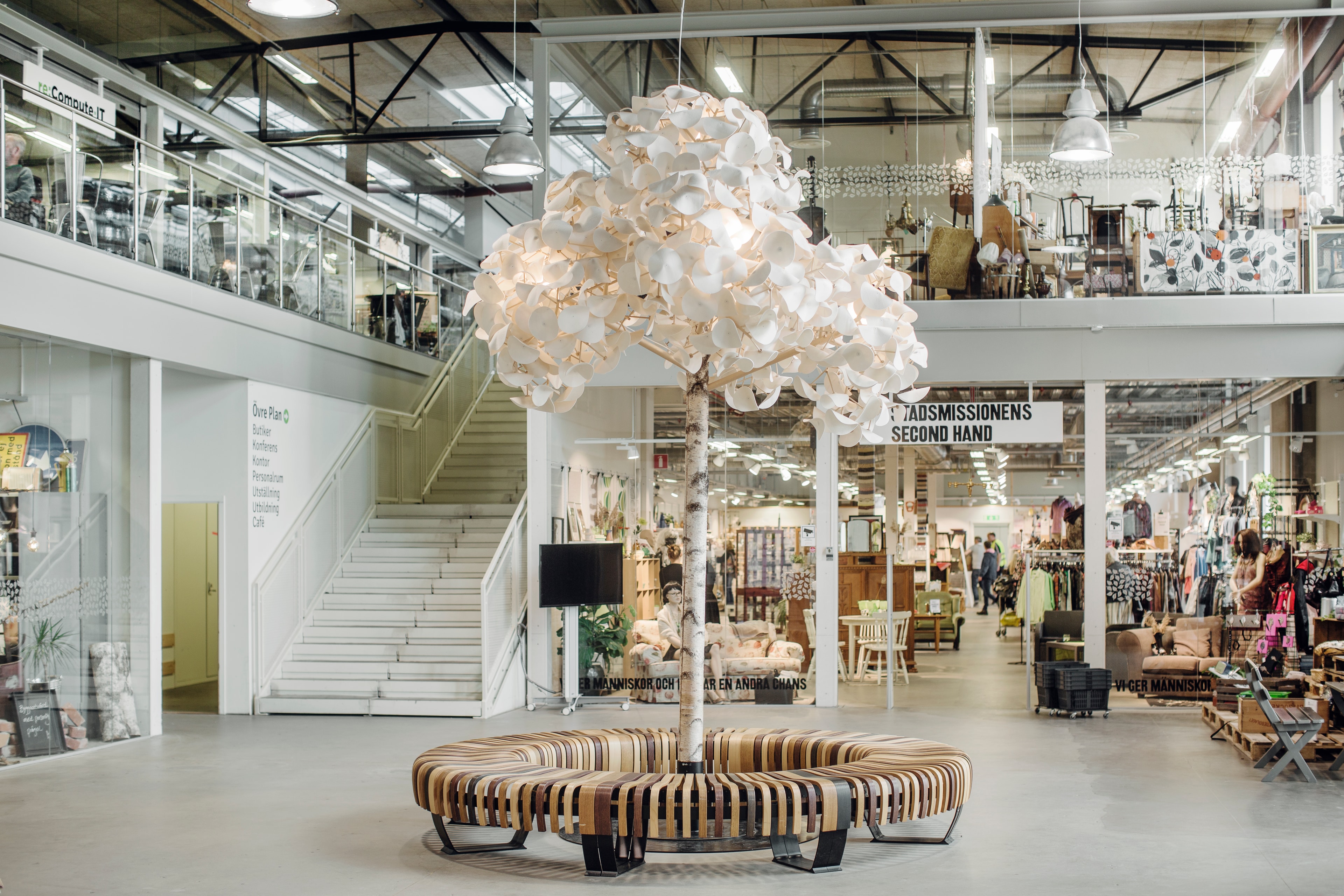
Reuse with a proper shopfront.
Both make continued use into a dependable place-based service. Compare a temporary loan with a sale into a second life.
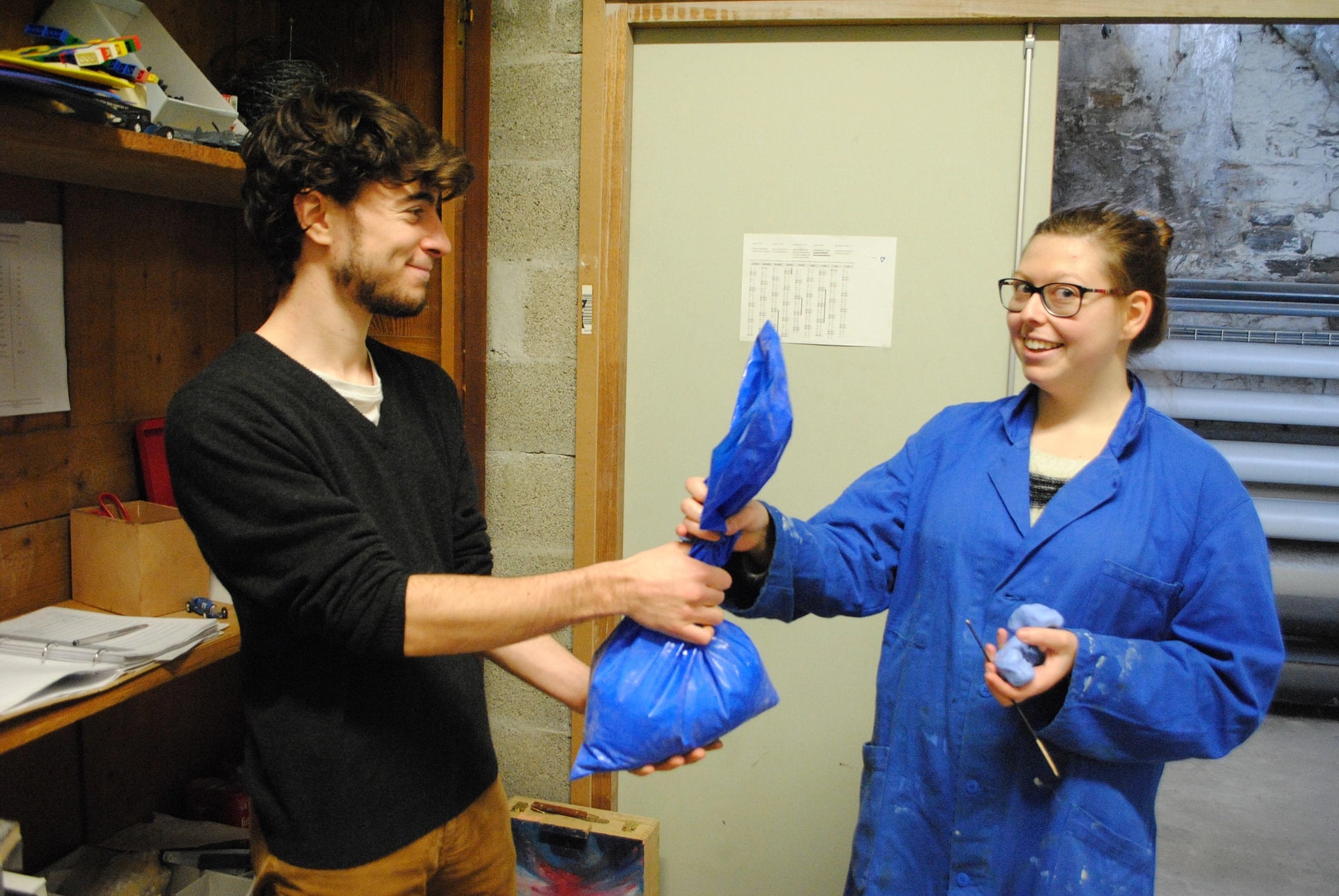
A materials store with its own currency.
Both organise shared access through stock, rules and upkeep. A library lends finished equipment; a materials store supplies inputs for new work.