Design a surface that marine life can occupy.
An artificial reef is more than an object placed underwater. Its surfaces, openings and position shape what can settle on it and how that life can be observed.
 MC Monaco
In practice. Six printed reef structures were submerged in Monaco’s Larvotto marine protected area in 2017, followed by a multi-year monitoring programme.
What to keep in view
These site-specific observations do not establish that printed reefs replace natural habitats or improve every marine environment. The 2017 six-reef project is distinct from later Monaco reef designs.
Print the habitat, then watch what arrives
The 2017 Larvotto project brought together the Prince Albert II Foundation, the Monegasque Association for the Protection of Nature, researchers in Nice and Boskalis. Six structures made using dolomitic sand and volcanic ash were submerged in the protected area.
Their geometry was designed to offer habitat rather than merely add weight to the seabed. A later monitoring programme examined colonisation and compared the printed structures with other surfaces. The foundation reports encouraging observations of benthic life over several years.
Make monitoring part of the installation
The strongest feature of the approach is that the objects were treated as a question to investigate. Photographs of a reef covered in organisms are interesting, but repeated observations and comparisons offer a more useful basis for learning.
Colonisation alone does not prove a net increase in regional biodiversity or fish populations. The design lesson is to pair a physical intervention with a method for finding out what changes around it, including outcomes that do not match the original hope.
Read next.
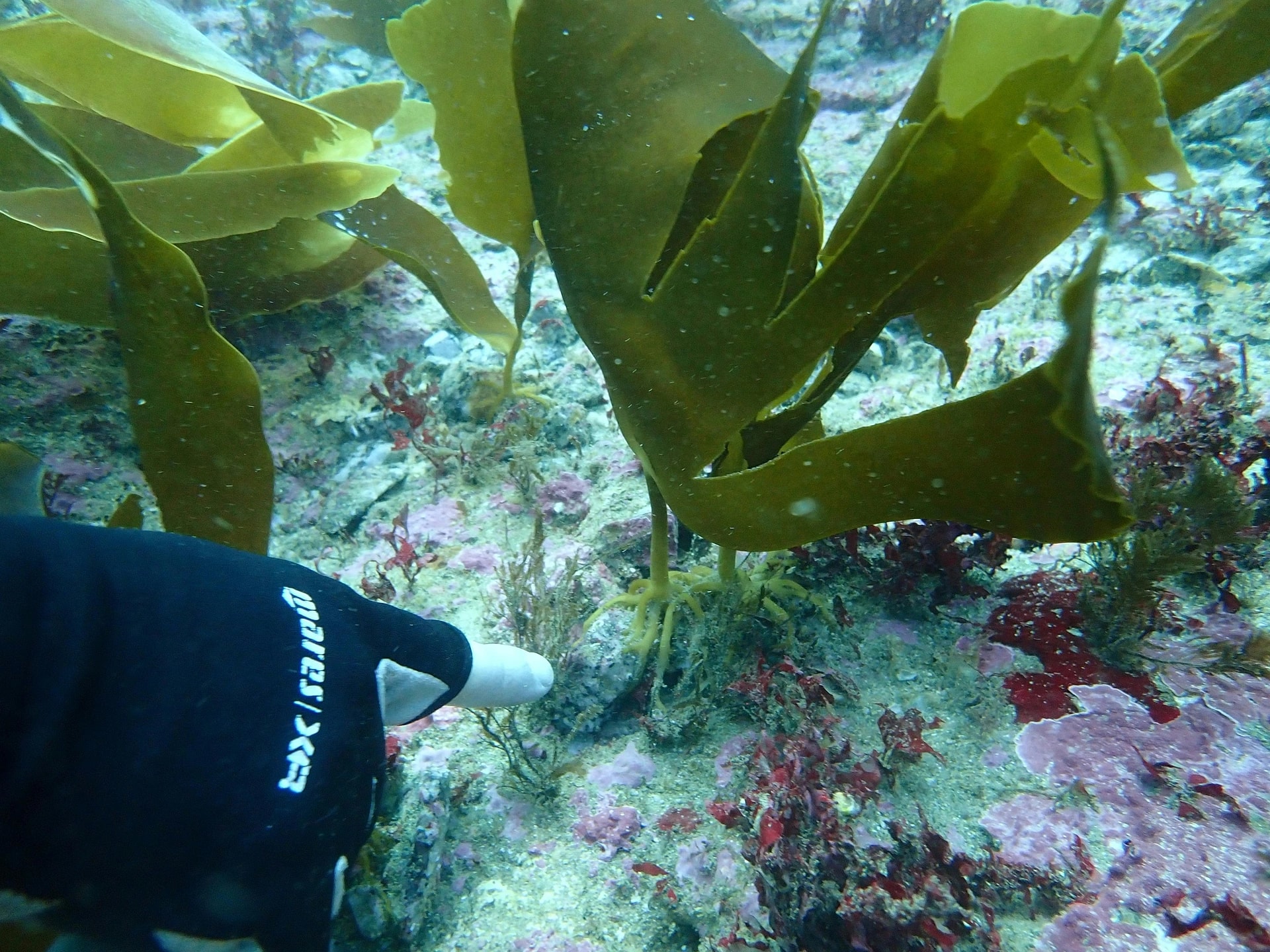
Give young kelp a foothold before it meets the sea.
Both place a designed intervention in the sea and depend on what living systems do afterwards. Monitoring is part of the work.
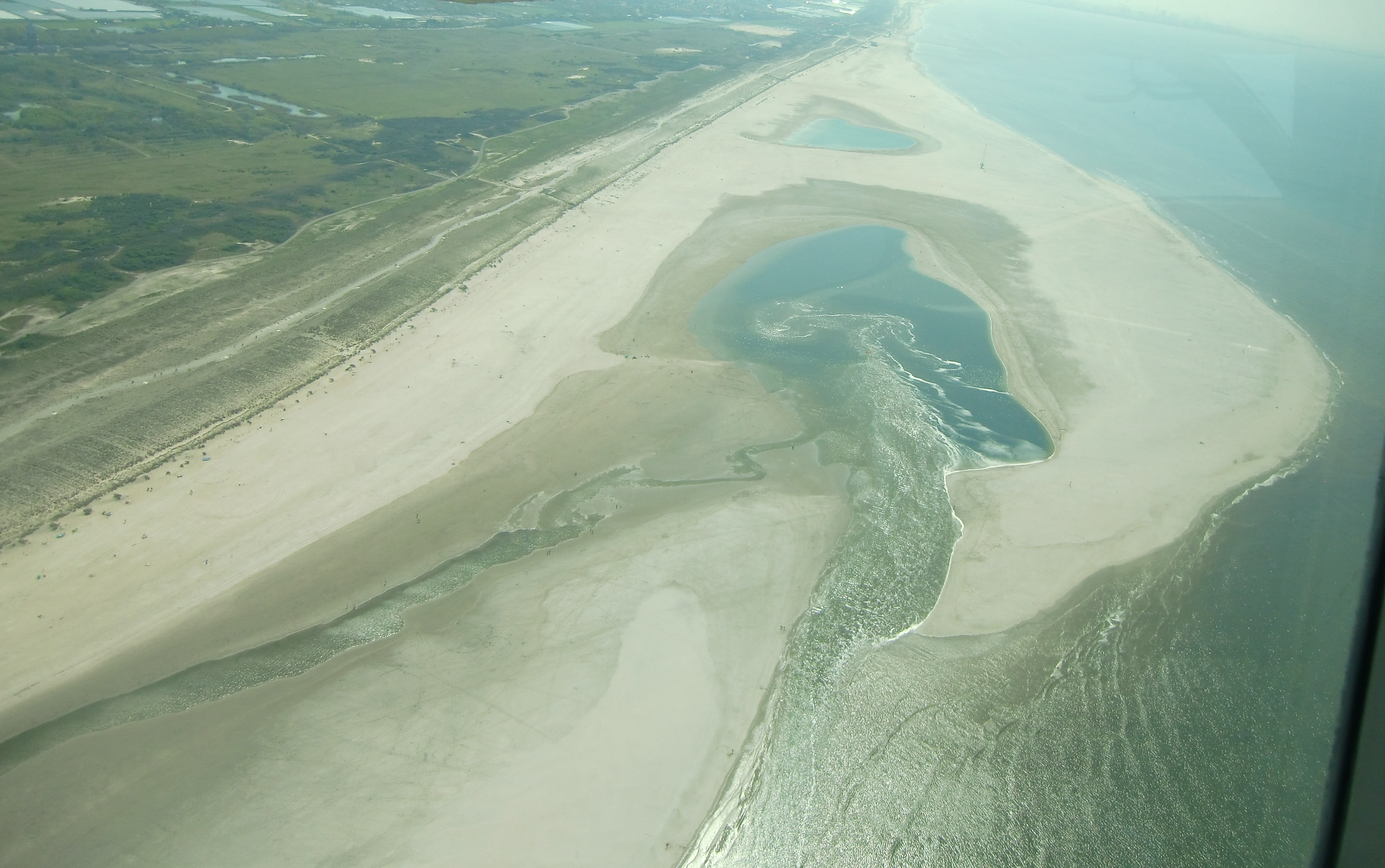
Let the coastline do some of the work.
Both use physical form to invite an environmental response. Compare small habitat structures with a coastline-scale sediment intervention.