A coastline that lets the sea distribute the sand.
The Sand Motor began as a deliberately oversized deposit off the Delfland coast. Its purpose was to move: the sea and wind would gradually reshape the sand into coastal protection.
 NL Netherlands
In practice. A monitored coastal nourishment pilot created in 2011. Published evaluations cover its first ten years.
What to keep in view
Results from the Delfland coast cannot be assumed for different waves, sediment, habitats or governance. The first decade does not settle the pilot’s full lifetime effects.
Design for the next shape
Conventional nourishment repeatedly puts sand where it is needed. The Sand Motor tested a concentrated reserve that natural coastal processes could redistribute over time.
The official ten-year evaluation describes a wider coastal zone and the interaction of coastal maintenance, recreation and nature. Monitoring was part of the intervention, rather than a final check after construction.
A process becomes part of the project
Our reading: the design includes forces the engineers do not directly control. Its success depends on understanding how those forces work at this particular coastline.
That makes it a useful comparison for projects that can guide a natural process instead of repeatedly replacing its work with machinery. It does not make sand nourishment a universal answer to rising seas.
Read next.
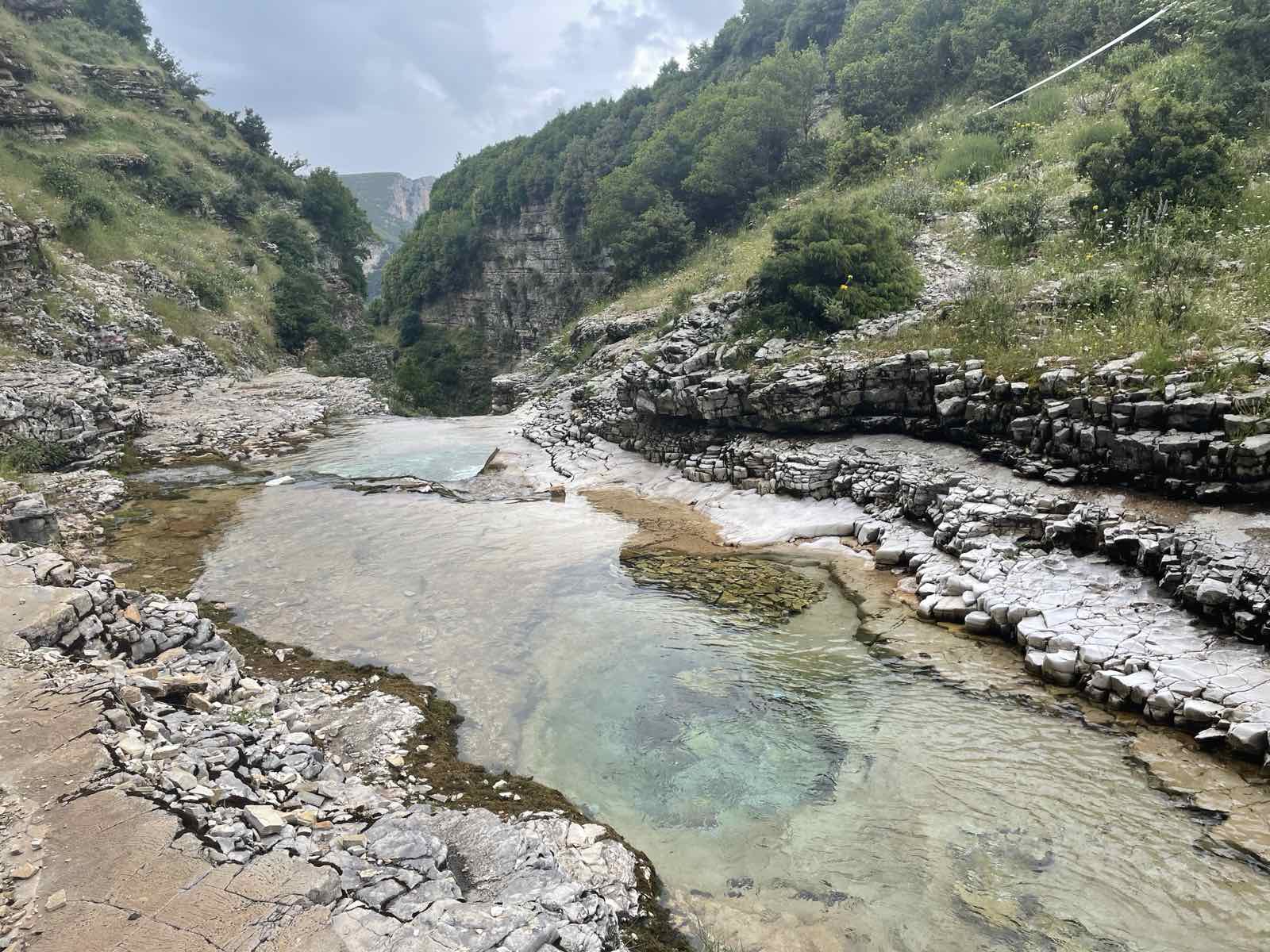
A river, protected as a system.
Both take natural processes seriously. One deliberately adds material to a coast; the other protects a river’s continuity.
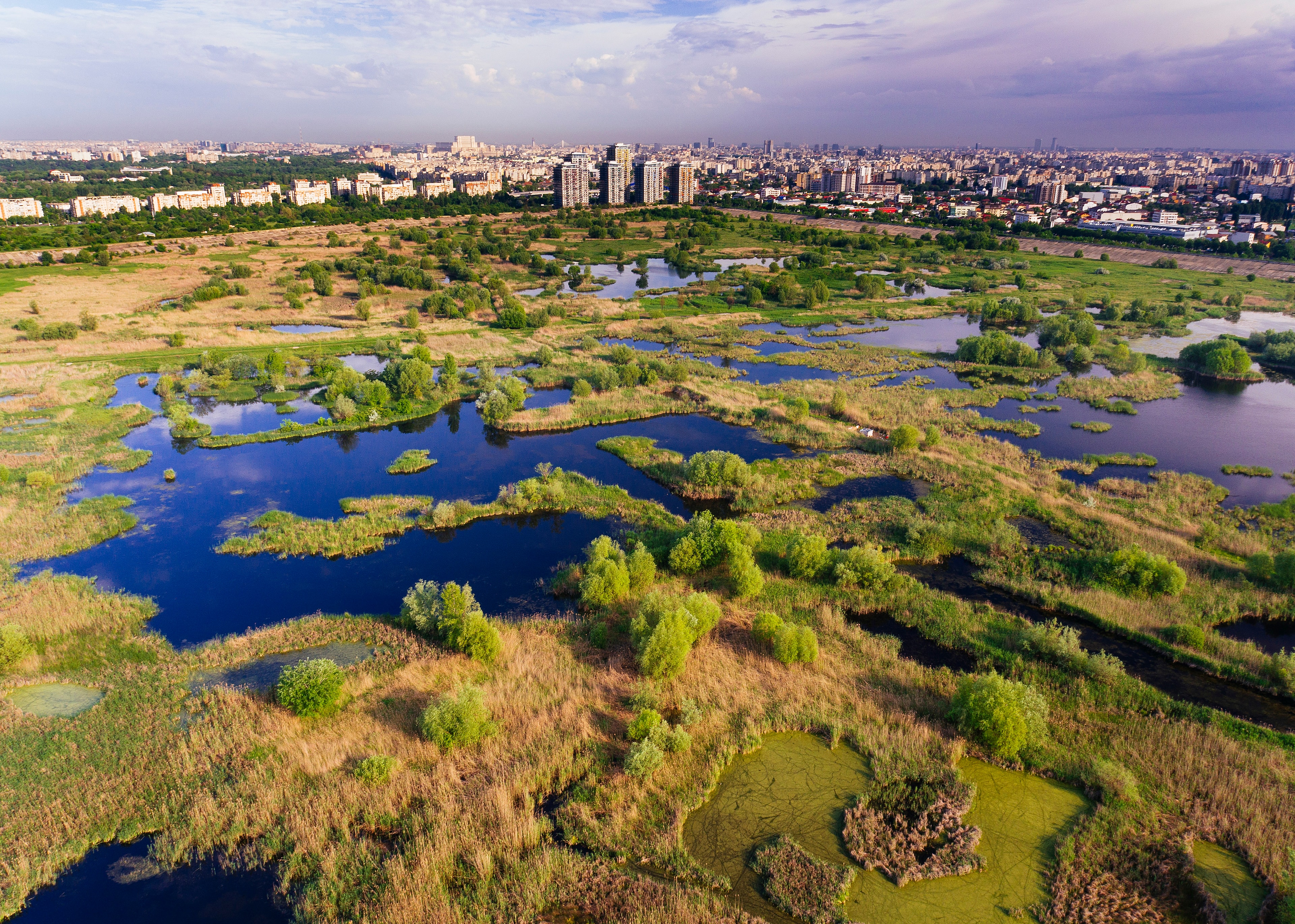
Notice what has already returned.
Compare planned coastal change with spontaneous urban ecology. In both, observing how a place evolves changes the decisions people make.