Give young kelp a foothold before it meets the sea.
Young kelp is grown on small stones before those stones are returned to the sea.
 PT Portugal
In practice. SeaForester’s Portuguese Green Gravel work includes a documented 2021 pilot using nursery-seeded stones.
What to keep in view
Seeding and deployment are not proof of a persistent restored forest. Survival, ecological suitability, permissions and long-term monitoring remain site-specific.
Move part of establishment into a nursery
SeaForester's Green Gravel work in Portugal uses nursery-grown kelp attached to small stones as an input for marine restoration. A documented 2021 pilot places seeded material into a selected environment, connecting land-based cultivation with work at sea. Growing or deploying the kelp is an intermediate step. It does not by itself establish lasting ecosystem recovery.
Restoration needs a living feedback loop
Our reading: restoration can change when the early growing stage is moved into a controlled nursery. The connection to the receiving site still matters, making survival, ecological conditions and follow-up more important than the number of stones placed.
Sources (3)
- seaforester.org · Seaforester starts new WWF sponsored project to advance seaforestation by scaling and further optimizing the Green Gravel technique
- seaforester.org · SeaForester - Our Projects
- greengravel.org · Projects and Organisations | Green Gravel
Read next.
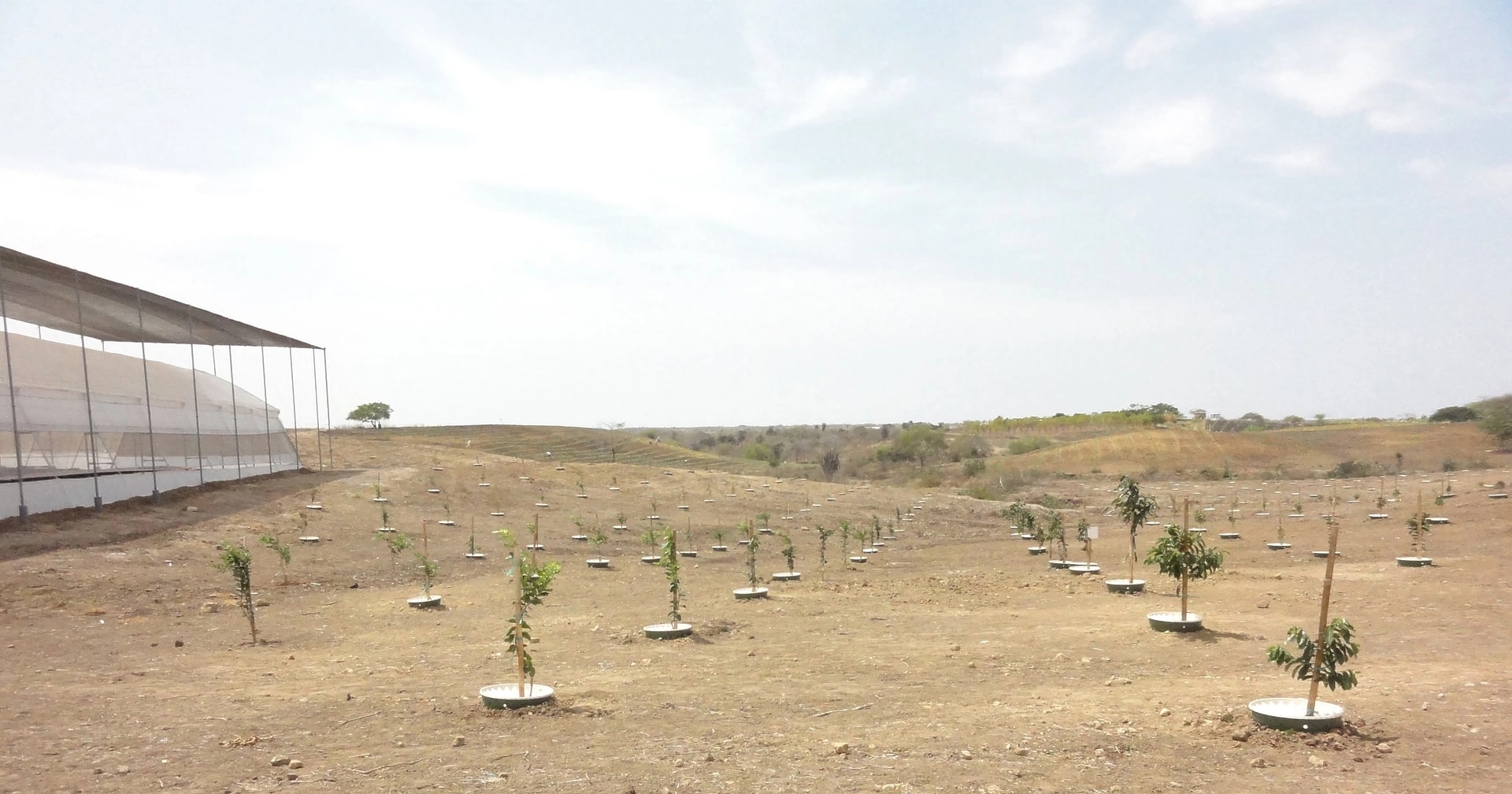
Give a young tree a slower supply of water.
Both focus on the vulnerable establishment stage. A land-based tree reservoir and nursery-seeded kelp stones address very different growing environments.
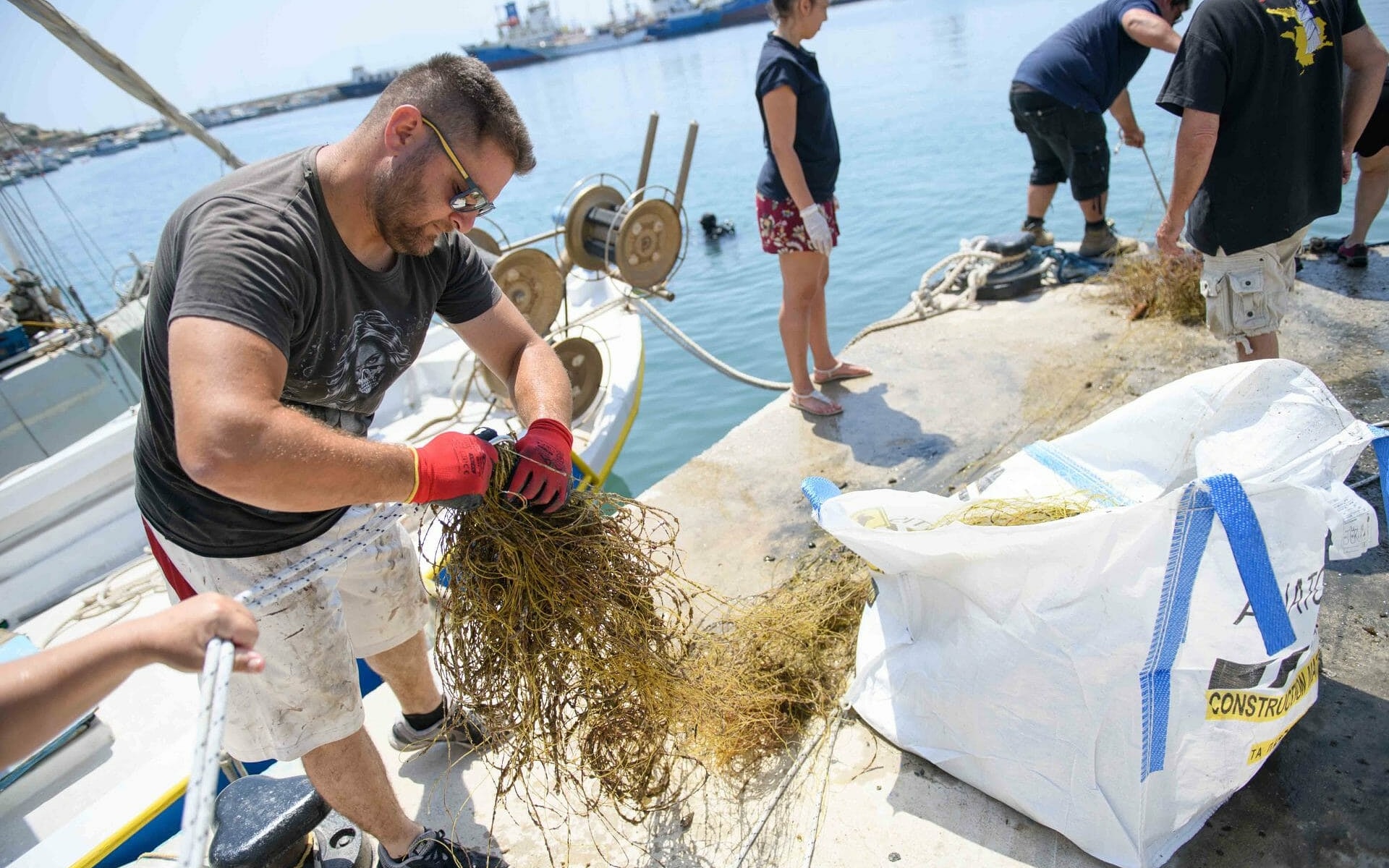
Fishing for a cleaner sea.
Both involve practical work in marine environments. Restoration and waste collection need different evidence to show a lasting ecological result.