An object that finds its balance through shape alone.
A familiar roly-poly toy relies on weight hidden low inside it. The Gömböc asks a harder question: could geometry alone create a self-righting body?
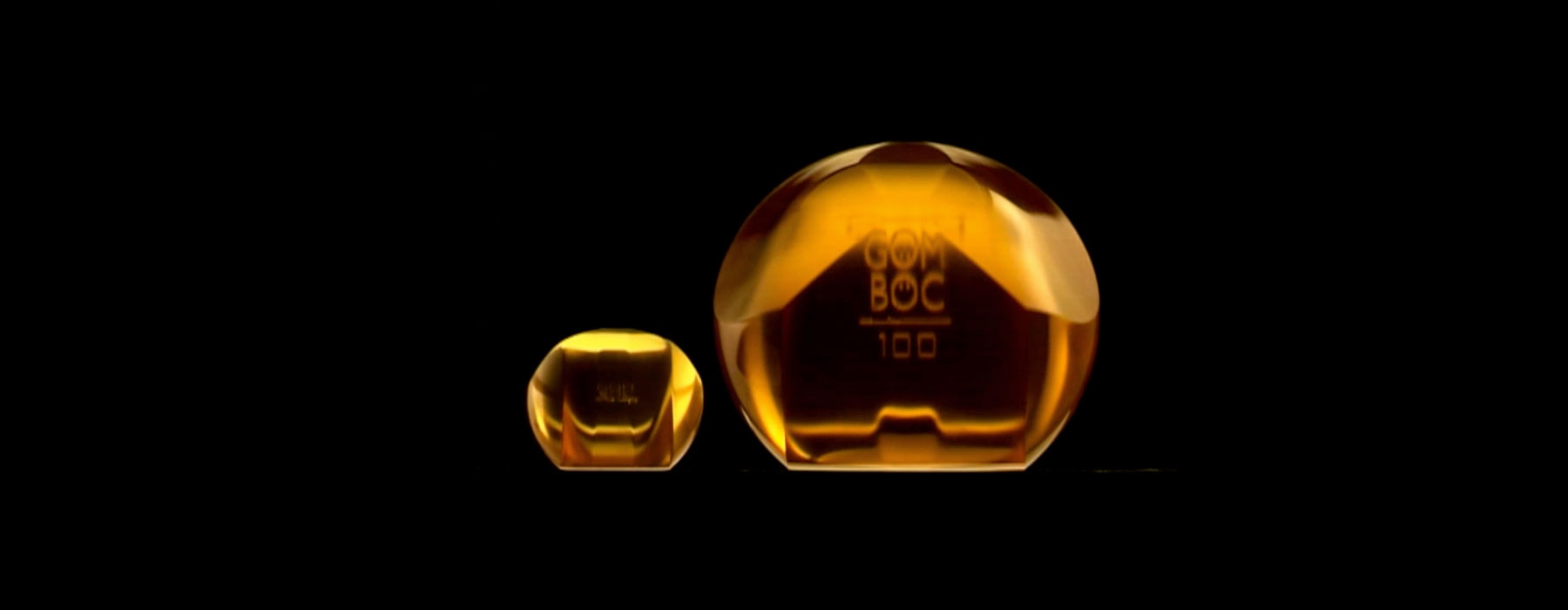
In practice. A mathematical construction realised as physical objects. The defining property assumes a homogeneous body and an appropriate supporting surface.
What to keep in view
Self-righting depends on the physical model and supporting surface. The mathematical result does not imply recovery on any terrain, or establish a practical benefit for an unrelated product.
Balance, built into the geometry
Developed by Gábor Domokos and Péter Várkonyi, the Gömböc has one stable and one unstable equilibrium point. Unlike a weighted toy, its defining construction uses homogeneous material rather than an internal ballast.
The project’s explanatory wiki distinguishes the mathematical object from familiar self-righting forms. Convexity and the distribution of material are part of the problem, not incidental details.
What can form do on its own?
Our reading: the Gömböc is a particularly clear example of assigning a function to geometry. The object’s interest is the demonstrated principle, rather than a promise of immediate industrial usefulness.
It also rewards careful demonstration. A manufactured surface, a supporting table and the object’s condition influence what a viewer sees; a physical model is not an excuse to discard the assumptions of the mathematical result.
Read next.
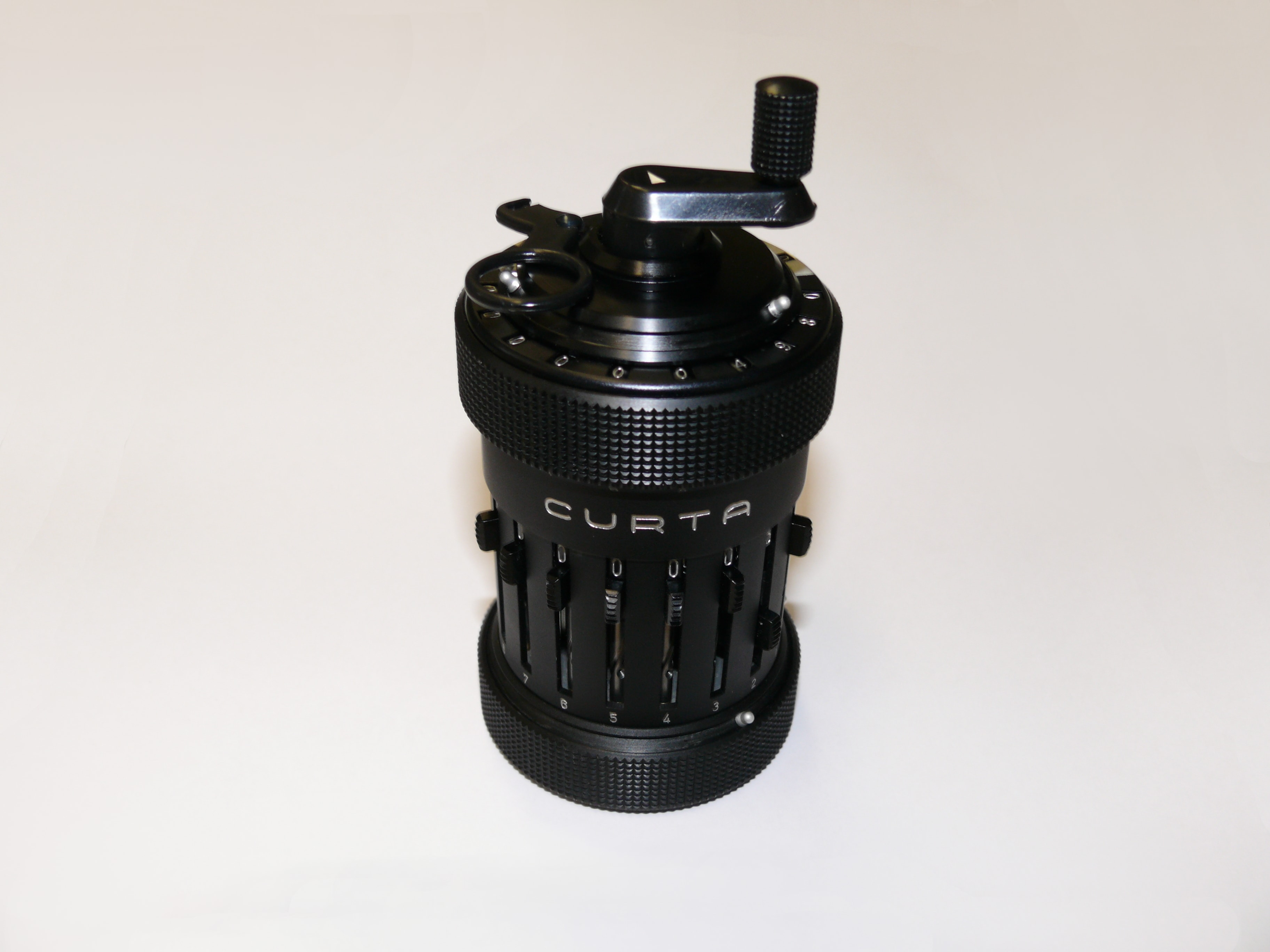
Arithmetic, turned by hand.
Both put capability into a physical object, but in different ways: an intricate mechanism versus a carefully calculated shape.
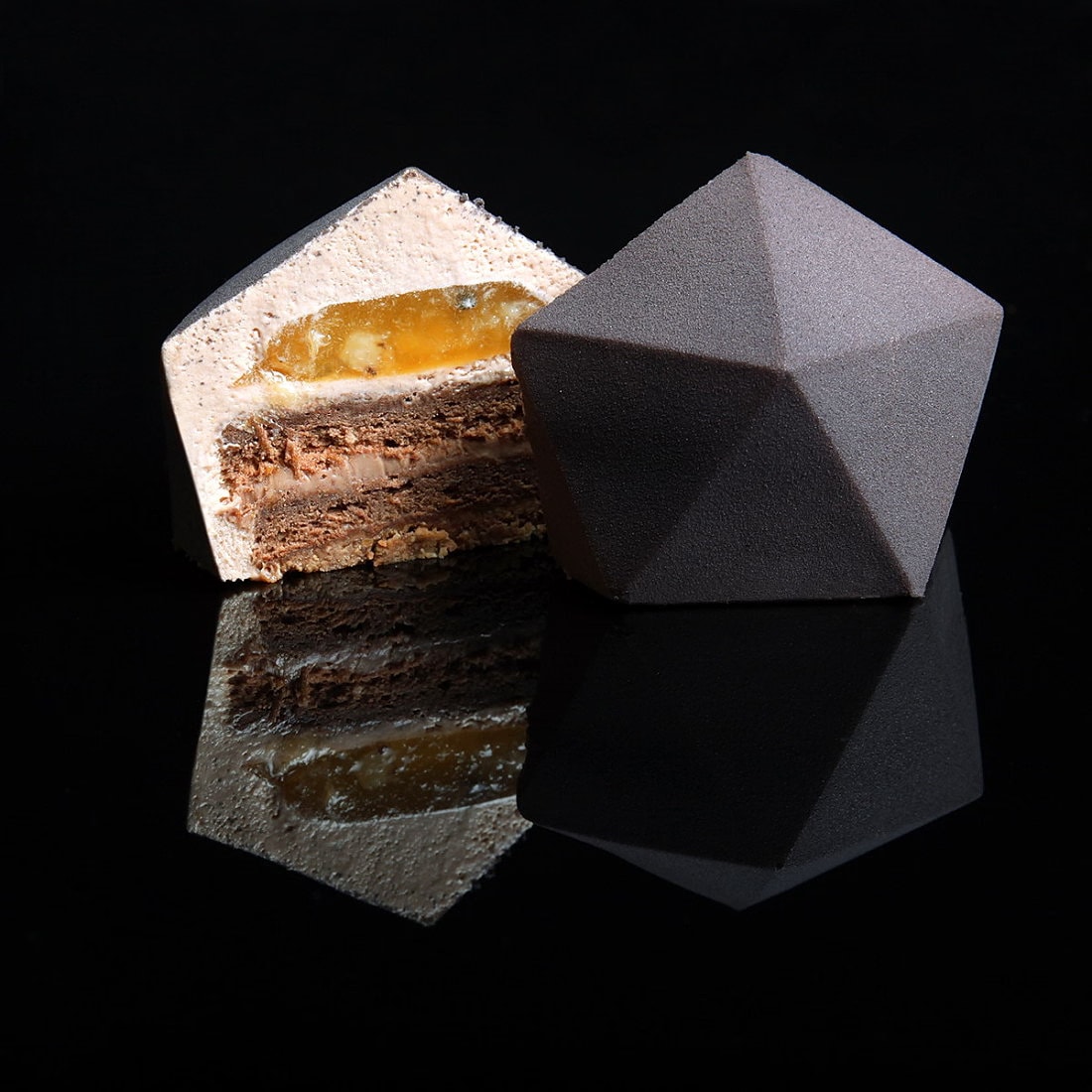
Geometry you can eat.
Both make geometry do practical work. A mould determines the final surface of a cake; the Gömböc’s shape determines how it settles under gravity.