Start the sport with a different sense.
Goalball uses an audible ball, tactile court markings and eyeshades so blind and partially sighted athletes can compete in the same game.
 AT Austria
In practice. Goalball was developed in 1946 by Austrian Hanz Lorenzen and German Sepp Reindle and became an international competitive sport.
What to keep in view
Shared sensory rules do not remove the need for training, accessible facilities or inclusive local clubs. Austrian attribution marks one part of a joint Austrian–German origin.
Build non-visual play into the rules
Goalball is a team sport designed around non-visual play. An audible ball, tactile court markings and eyeshades allow blind and partially sighted athletes to compete under common sensory rules. IBSA dates its invention to 1946. The intervention is the design of the game itself, rather than an accessory added to make a sight-dependent sport slightly easier to enter. Its creators were Hanz Lorenzen from Austria and Sepp Reindle from Germany.
The rules and sensory environment are designed around non-visual play rather than adapting a sight-dependent sport at the edges.
Equal conditions can be designed
Our reading: an inclusive activity can begin by questioning which senses its rules assume. Goalball makes sound and touch fundamental to skilled play. It offers a strong historical example of designing a complete operating environment around people who would otherwise remain at its edge.
Read next.
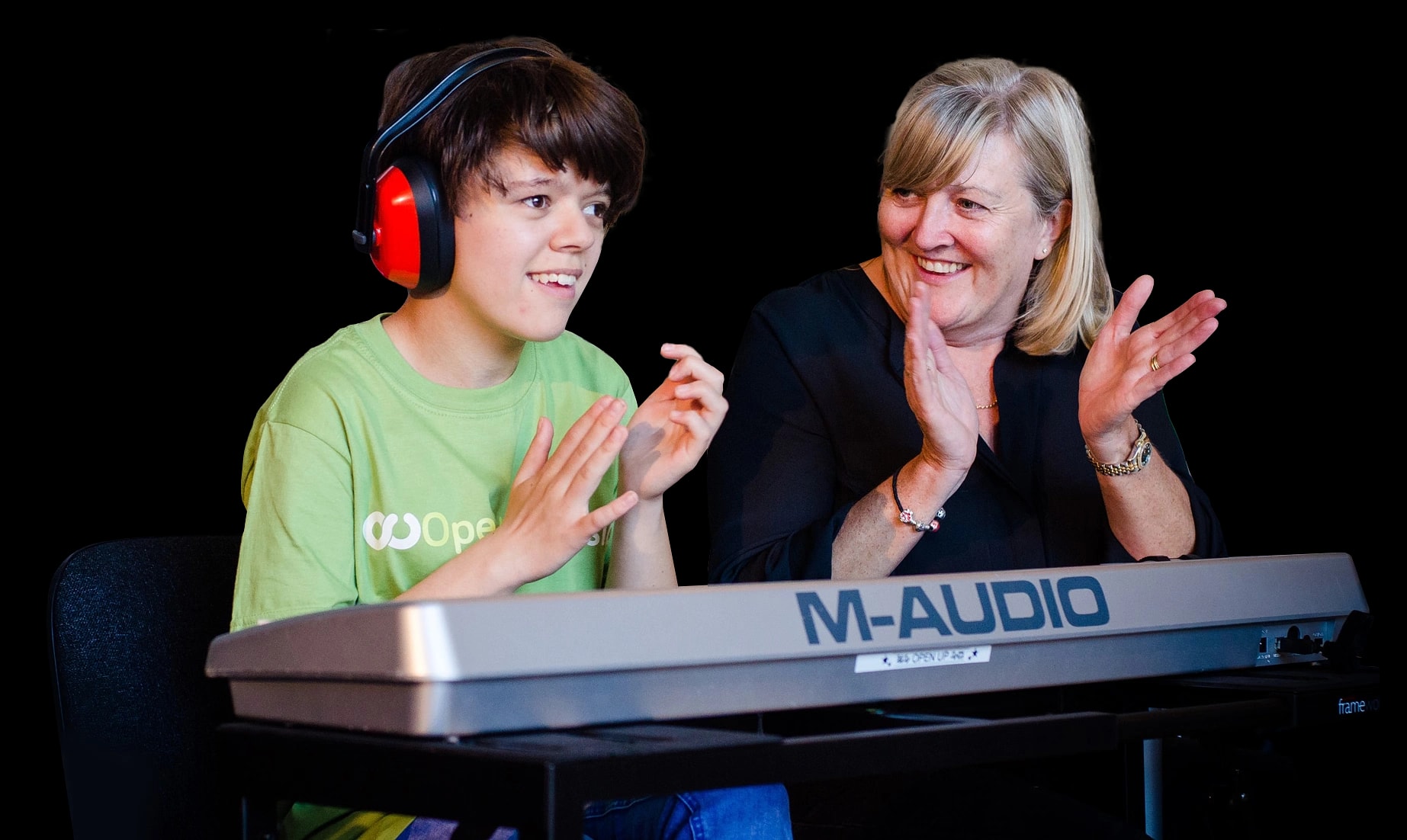
An instrument is only the beginning.
Compare adapting the instruments and ensemble with designing an entire sport around non-visual play. Both start with who gets to participate.
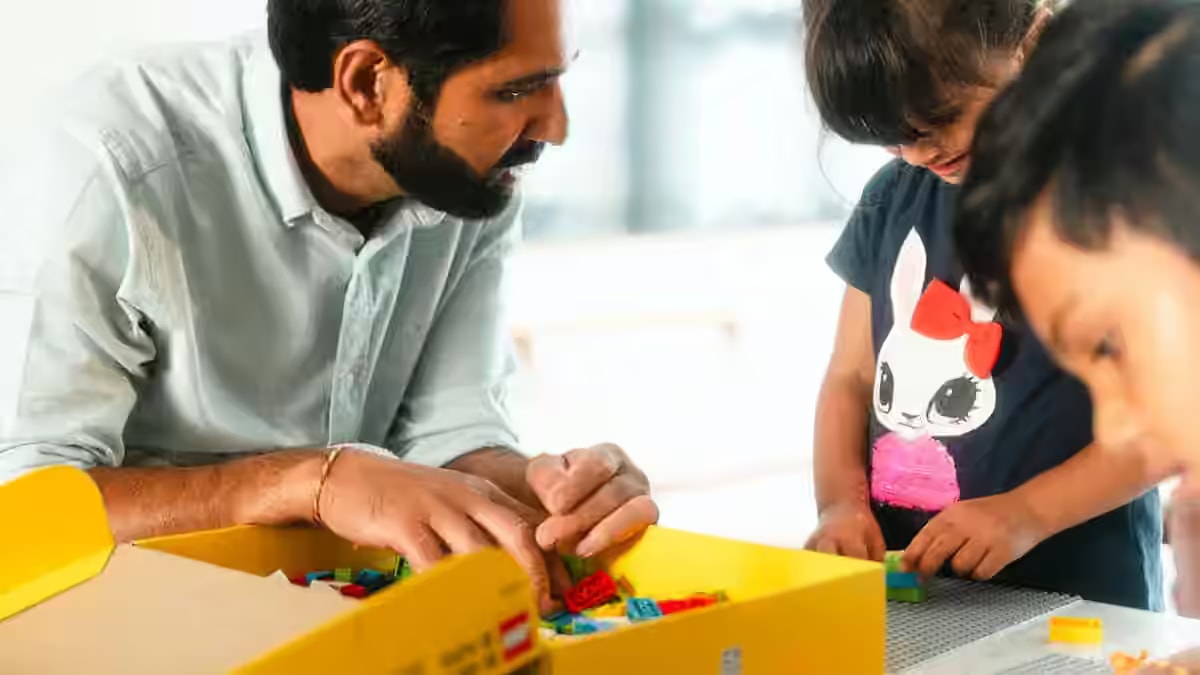
Build a word. Share the play.
Both put non-visual participation into the design from the beginning. A shared sport and a learning system use touch and sound in different ways.