A familiar brick. A language you can feel.
The studs on a LEGO brick already invite a hand to explore. Rearranged as braille characters, they become a way to build words while keeping the shared pleasure of building something together.
 DK Denmark
In practice. Physical braille-learning bricks and published activities allow blind and sighted participants to use the same pieces.
What to keep in view
The programme’s educational aims and activities do not establish a particular learning outcome for every child. Language availability, professional guidance and distribution differ by location.
One object, two ways to read
LEGO Braille Bricks use stud patterns to represent braille characters, with a printed letter, number or symbol on the same piece. The bricks remain compatible with the wider LEGO system. A blind child and a sighted friend can work with the same object through different ways of reading it.
That small design decision changes who can participate. A parent does not need to learn every tactile pattern before joining a game; the printed character provides a bridge into the activity.
The activities complete the tool
The programme combines the bricks with guided learning activities and training for professionals working with children with visual impairments. Educational distribution began in 2020; the LEGO Group introduced a family retail set in 2023.
The approach makes room for exploration before formal exercises. Children can sort, compare and arrange pieces, then build towards letters and words. The accompanying educational guidance matters because a well-made object alone does not provide a complete learning pathway.
Compatibility can create inclusion
Our reading: the strength is the connection between a precise specialist requirement and an object already familiar to many families. Braille remains tactile and specific, while the surrounding play can be shared.
This suggests a useful question for other products: can an accessibility feature become part of the common activity? Local languages, suitable teaching support and access to the kits remain essential. The design creates an opportunity to learn together; individual literacy progress still needs to be assessed over time.
Read next.
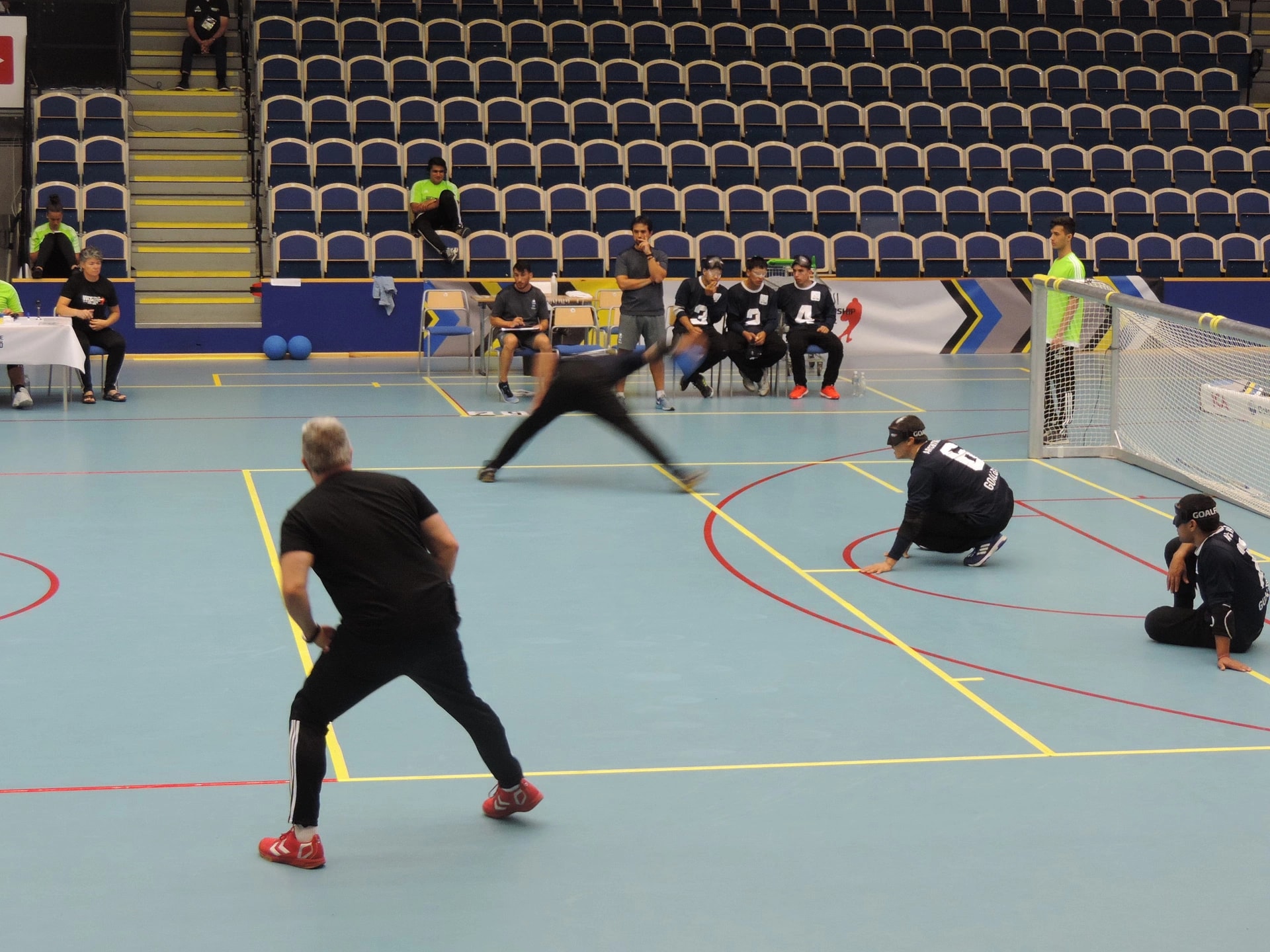
Start the sport with a different sense.
Both put non-visual participation into the design from the beginning. A shared sport and a learning system use touch and sound in different ways.

A musical idea, made visible.
Both bring an abstract system into the hands. Building words and composing rhythms make different use of touch, repetition and play.