A woodwind that lets the note slide
On the Glissotar, the slide between two notes is a gesture the player can control. Hungarian musicians and makers Dániel Váczi and Tóbiás Terebessy began developing the instrument in 2016, using a magnetic strip in place of a row of tone holes.
In practice. Váczi played the Glissotar at Georgia Tech’s 2022 Guthman competition, where it won first place and the audience award.
What to keep in view
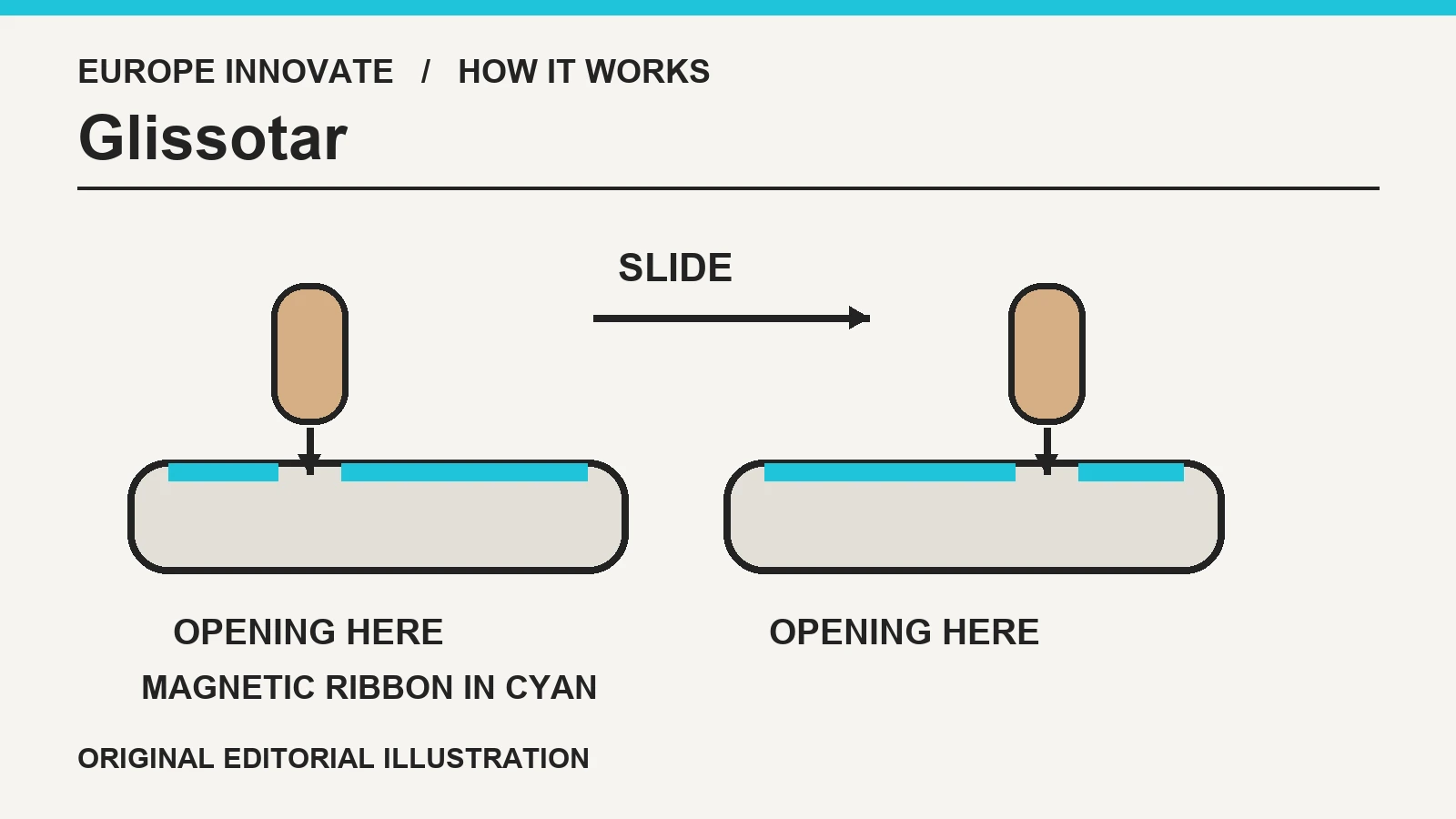
The schematic shows how the opening moves with the finger. The instrument and its pitch response are simplified for illustration.
The opening moves with the finger
A magnetic ribbon seals a long slot along the tube. Pressing it opens the slot at the chosen point. Moving that opening changes the effective length of the air column and lets the pitch slide, including through the pitches between the notes of a familiar scale.
The player still has to land in tune. Váczi developed a system of hand positions and finger numbers to give players repeatable ways to reach notes while leaving them free to choose the shape and speed of a slide.
A part that wears with playing
Glissonic treats the magnetic ribbon as a replaceable part, much like a string. The maker recommends removing it after playing. That maintenance detail matters because the ribbon does two jobs each time a note is played: it seals the slot and gives the finger a way to open it.
Watch Dániel Váczi and Ted Gurch play Glissotars at the 2022 Guthman concert. Listen to what happens between the notes as their fingers move along the magnetic strips.
Watch the Guthman performanceRead next.
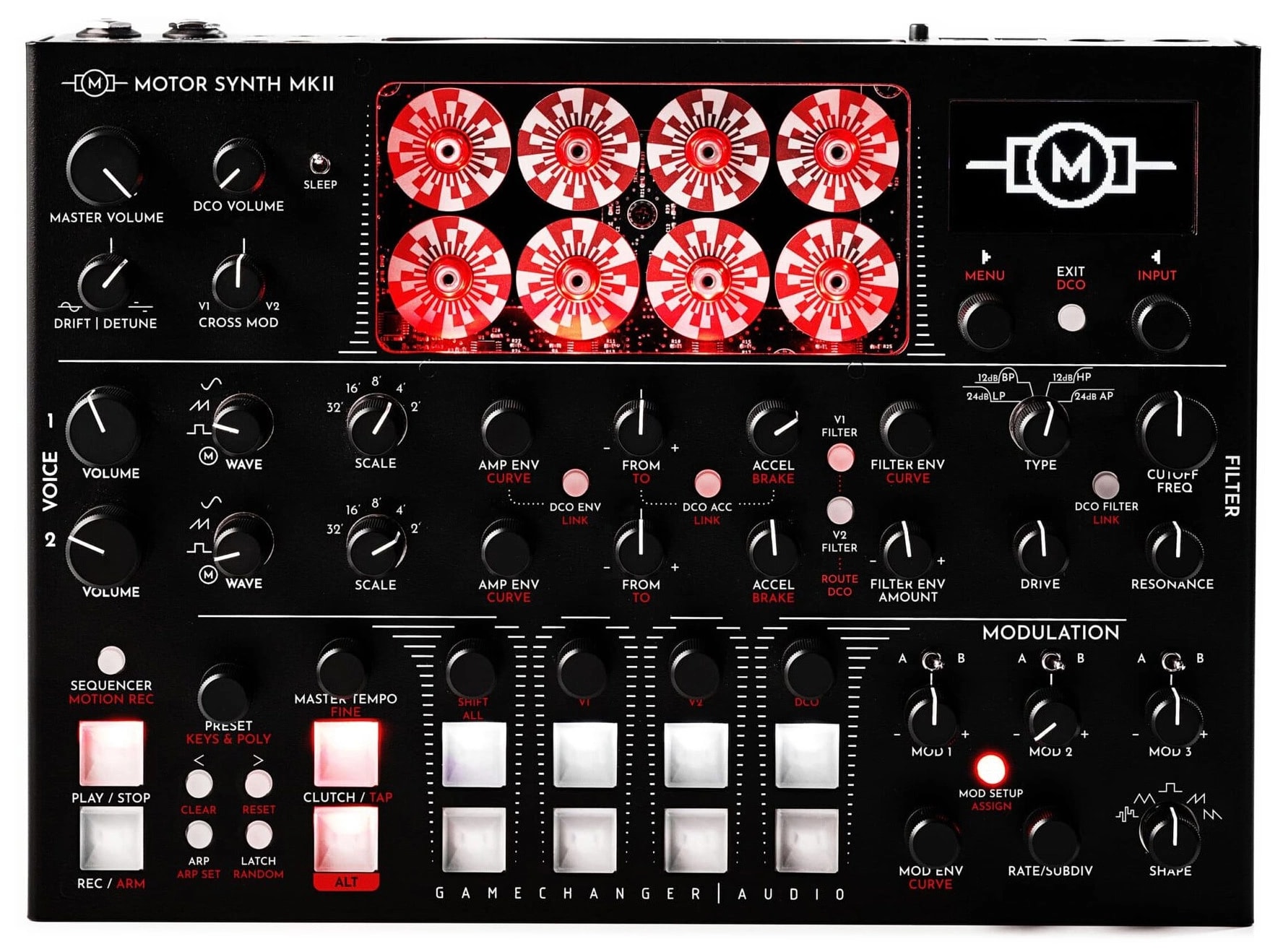
Eight spinning motors become an instrument.
Compare sliding continuously through pitches with shaping a note electronically while it sounds.
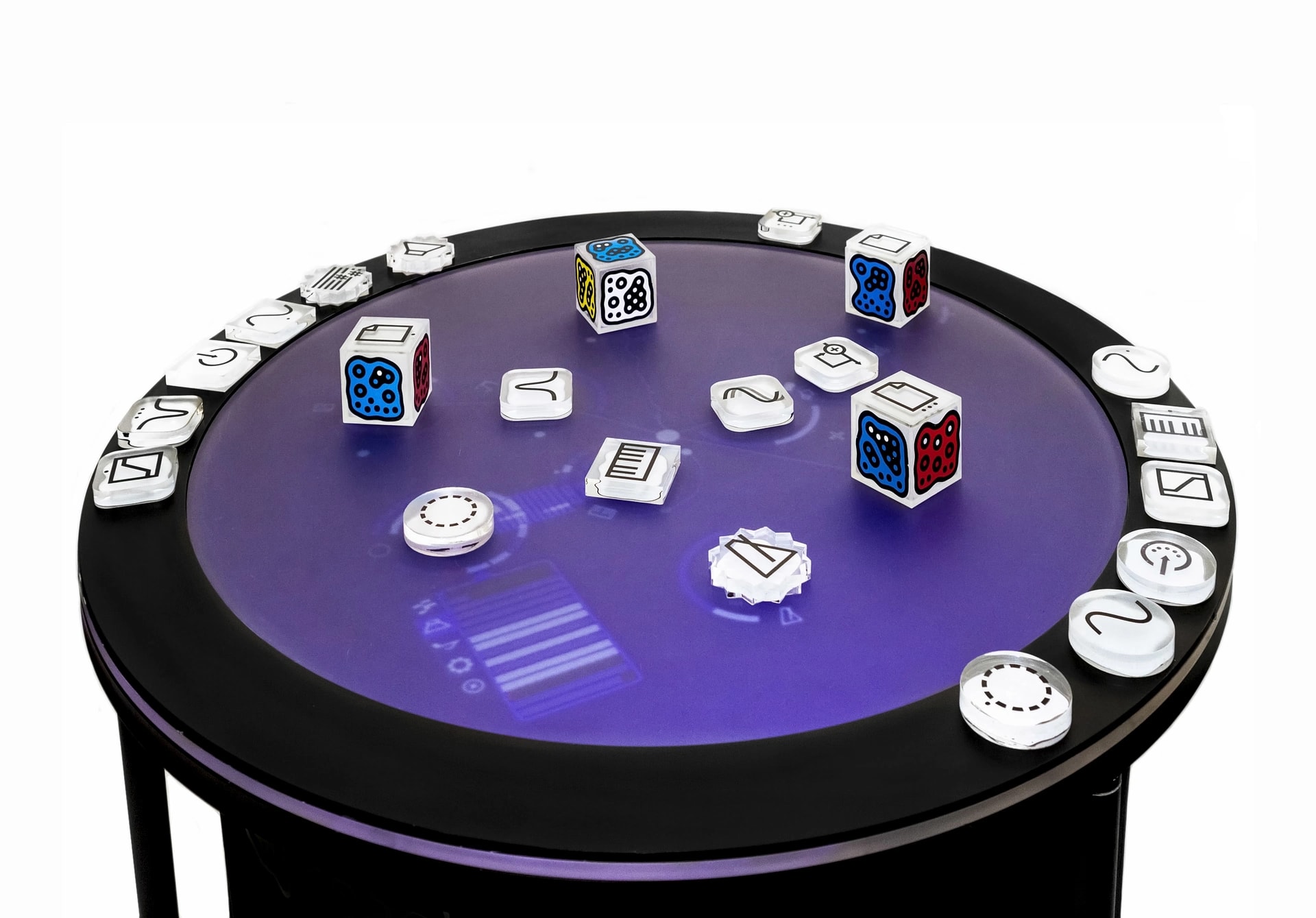
Music made by moving objects on a table.
Compare a strip that makes pitch a physical gesture with an instrument whose tabletop controls make musical relationships visible.