Draw a pinball table. Then play it.
The marker is both a drawing tool and a way to change the game. Flippaper lets a player sketch, scan, play and revise a pinball table without leaving the same physical surface.
 FR France
In practice. An interactive artwork by French creators Jérémie Cortial and Roman Miletitch, documented through exhibitions and a research paper.
What to keep in view
The system interprets a defined visual language, not any arbitrary drawing. It is a documented interactive installation, not evidence of a widely available consumer product.
The drawing becomes the interface
Jérémie Cortial and Roman Miletitch developed Flippaper between 2013 and 2016. Its physical drawing surface is also the input for a playable digital pinball installation. Marker colours represent different game functions, including walls and bumpers. A player scans the drawing, plays, changes the paper design and scans again. The creators document exhibition versions and the finished 2016 installation. The result is a made-to-exhibit interactive artwork, not evidence that arbitrary drawings can become any kind of software.
Editing a game becomes a physical drawing activity with an immediate playable consequence.
Let the player change the rules
Our reading: the cleverness is the small, learnable vocabulary between a mark and an action. Players do not need to begin with code or a blank software editor. They can discover the system by testing a line. Because drawing and play stay in one place, a mistake can become an invitation to revise rather than a reason to stop.
Read next.
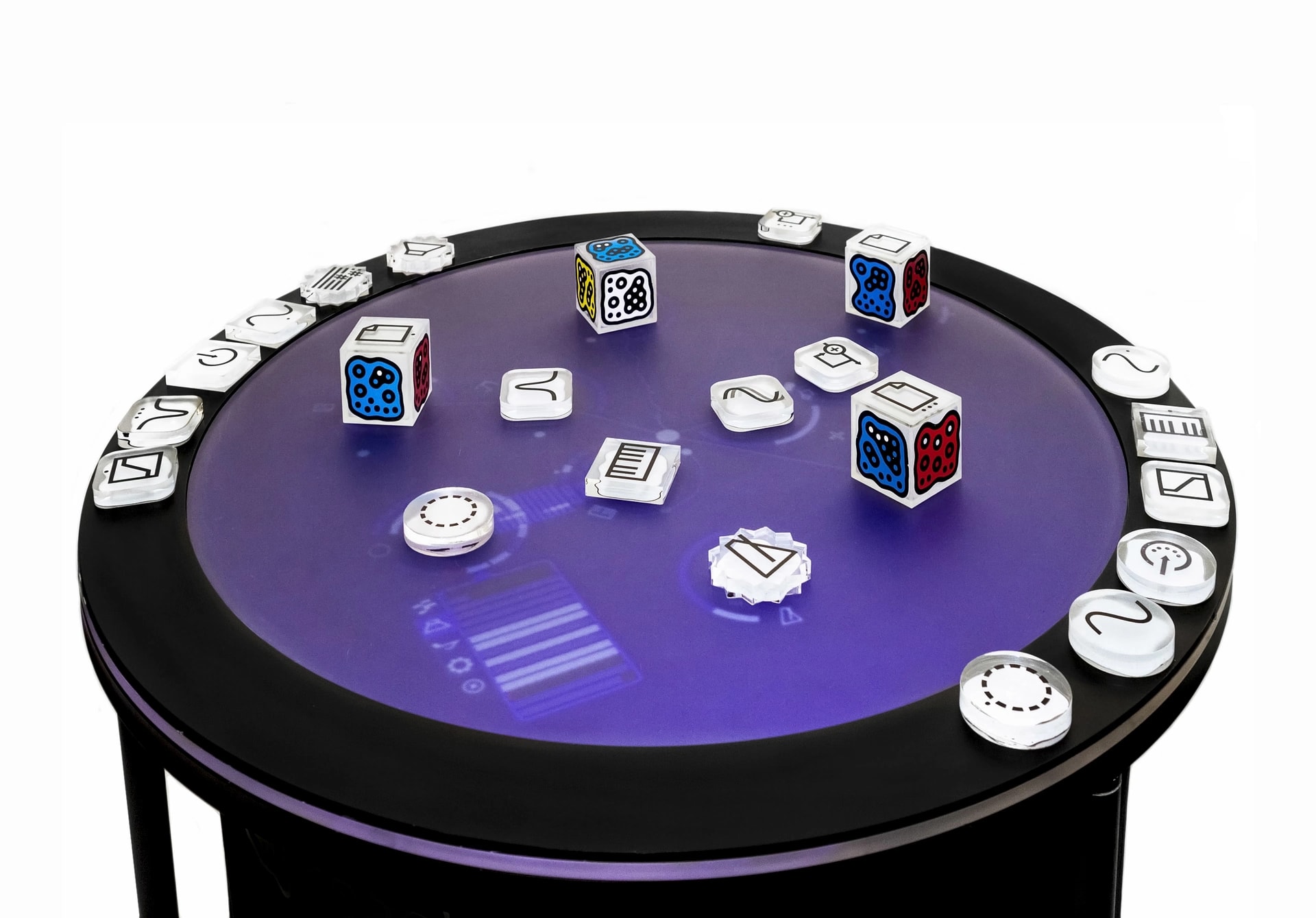
Music made by moving objects on a table.
Both let physical actions change a digital system. One reads a drawing as a game; the other turns movable objects into musical relationships.
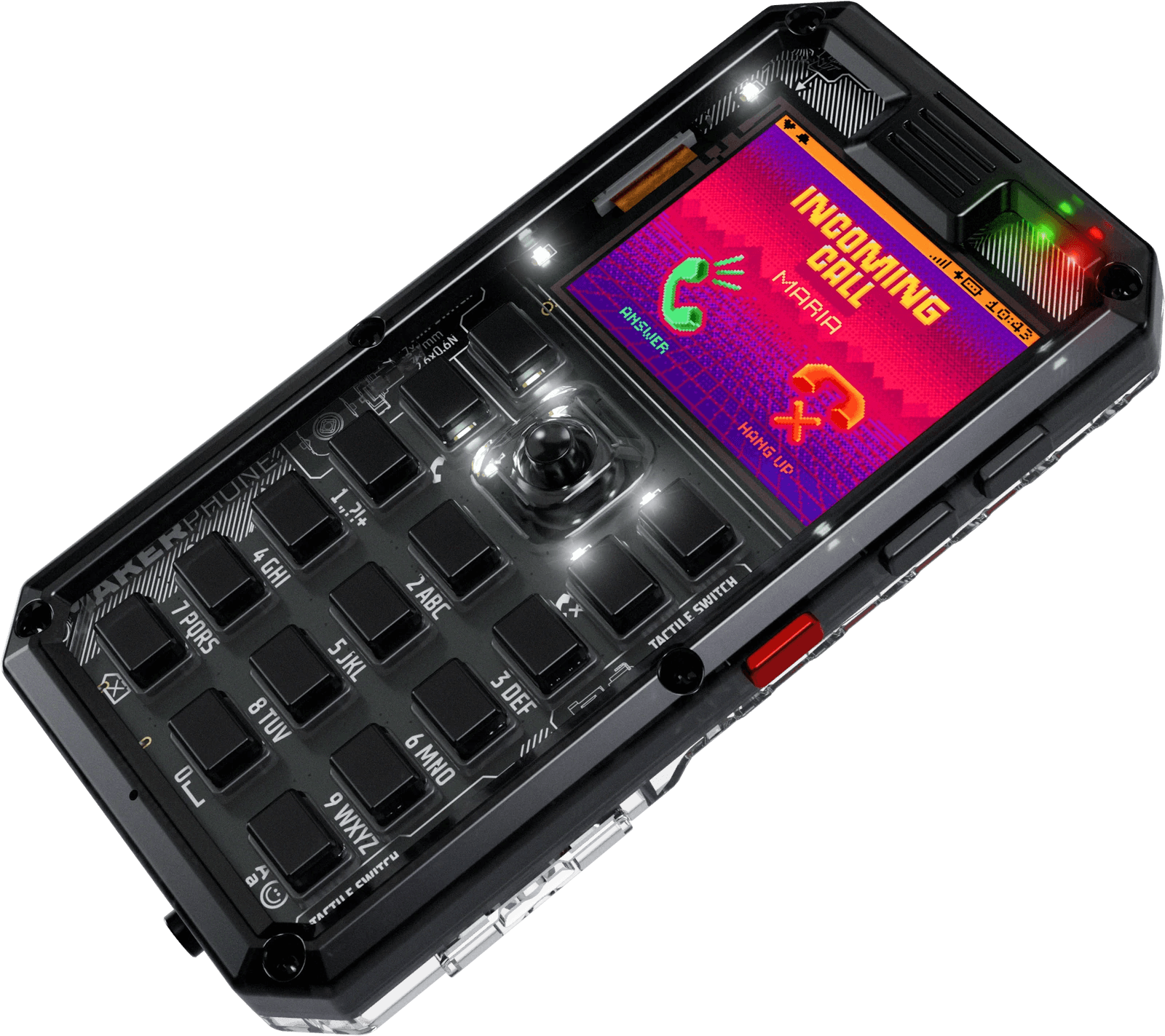
Build the phone before you use it.
A familiar object becomes something the user can change: redraw the game, or build and program the phone.