Store offshore energy in compressed air.
Wind and sunshine arrive on their own schedule. FLASC explores whether part of the energy they generate can be held offshore, using compressed air rather than a conventional battery.
 MT Malta
In practice. A University of Malta research project led to a floating proof-of-concept installed in 2017. Later development includes an onshore pilot in Rotterdam; this entry covers the Maltese prototype.
What to keep in view
The Grand Harbour installation was a research prototype, not a commercial offshore storage plant. Thermal efficiency must not be presented as electrical round-trip efficiency.
Let water compress the air
The FLASC concept uses electricity to pump water into a pressure vessel, compressing the air inside it. When energy is needed, that compressed air pushes water back through equipment that generates electricity. The water acts as a moving boundary, often called a liquid piston.
The Maltese proof-of-concept combined a floating platform, solar panels and the storage system. It was installed in Grand Harbour in 2017 and used for repeated charging and discharge trials. University research examined the behaviour of the compressed air and the thermal losses involved.
Read the efficiency number carefully
The engineering challenge is not merely to hold pressure. Heat flows during compression and expansion affect how much energy can be recovered. The research therefore separates the thermal behaviour of the gas from the performance of the complete electrical system.
A promising result for one part of the process is not the round-trip efficiency of a commercial installation. The project is useful precisely as a documented experiment that exposes those distinctions before offshore deployment at a much larger scale.
Read next.
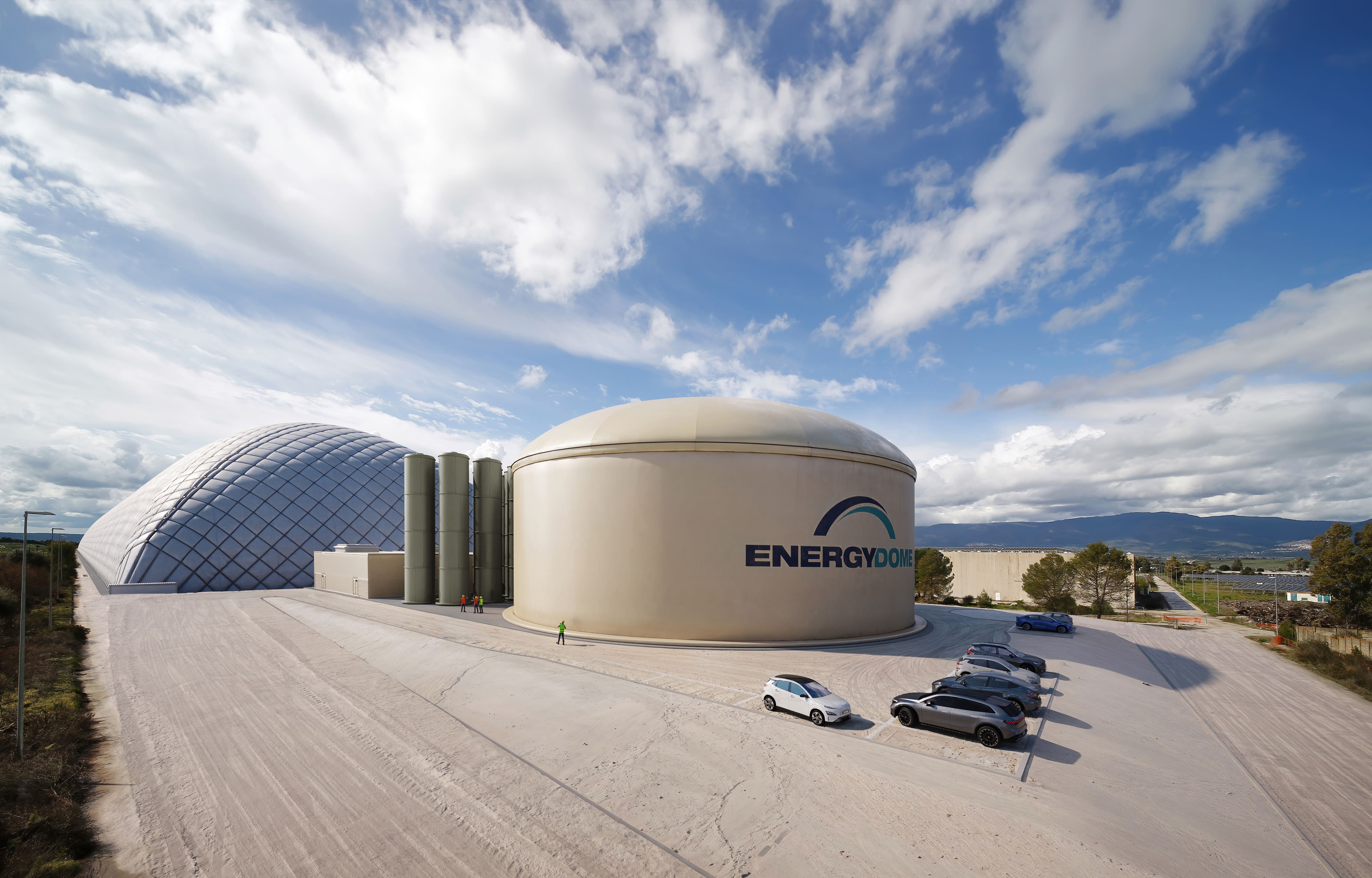
Store energy in a change of state.
Both store energy through a controlled gas cycle. Compare compressed air at an offshore prototype with a land-based carbon-dioxide system.
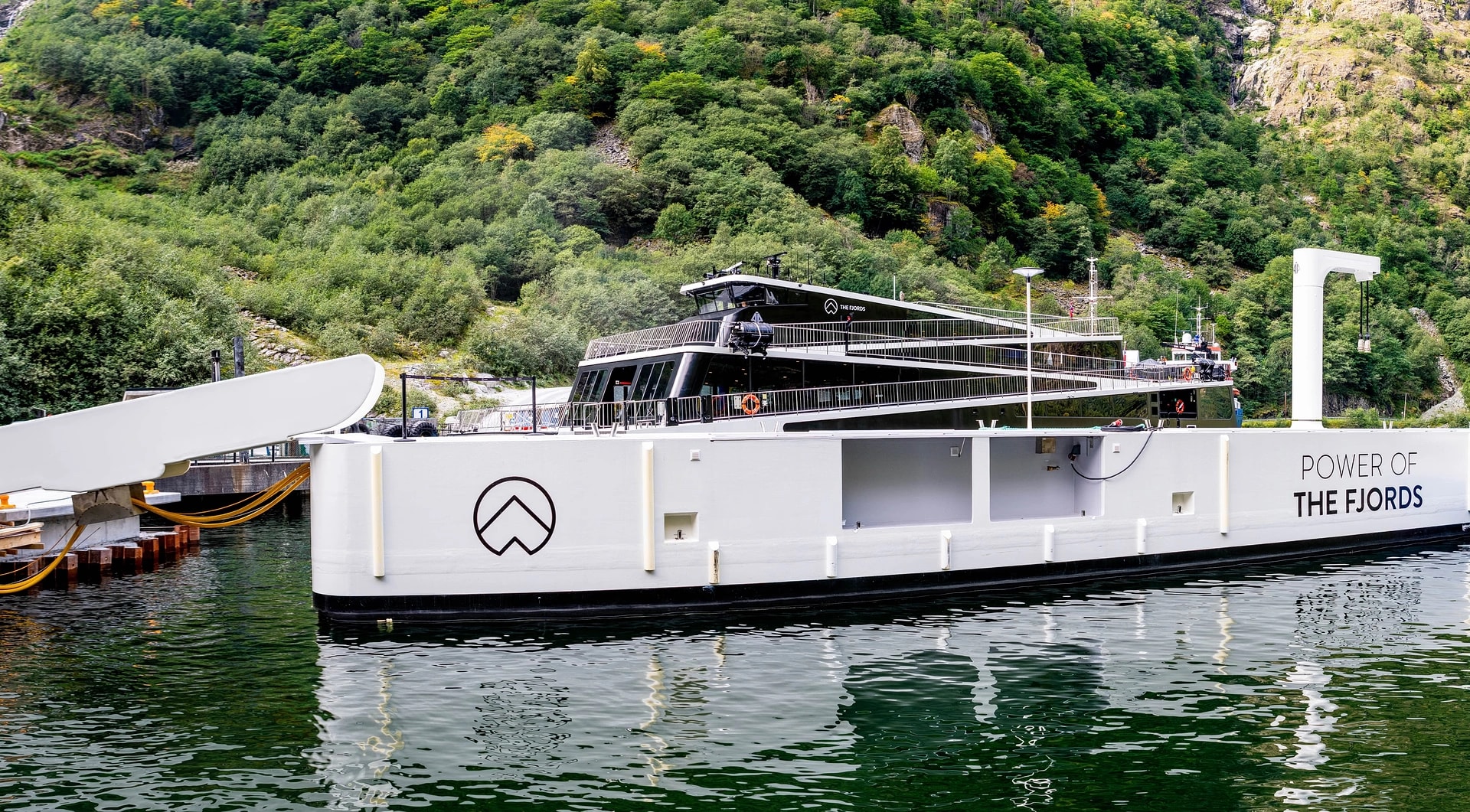
The dock becomes an energy buffer.
Both ask how energy can be available when a marine operation needs it. Storage changes the relationship between generation and demand.