A different way to keep electricity for later.
The dome is the visible part. The more interesting part is the reversible process around it: electricity goes in, carbon dioxide changes state, and a turbine helps electricity come back out.
 IT Italy
In practice. A 2022 demonstrator preceded the 20 MW / 200 MWh Ottana plant, reported as operating in Energy Storage Europe’s January 2026 case study.
What to keep in view
The operating account is an industry association case study. It is not the underlying independent test report or a long-term operating dataset. Nameplate capacity is not annual delivered energy, and this process does not permanently remove CO₂.
The gas stays in the system
During charging, electricity powers compression and liquefaction of carbon dioxide. The system stores the resulting heat as well as the liquid. During discharge, it reverses the process and expands the gas through a turbine.
The European Investment Bank describes this as a closed loop. Carbon dioxide is a working fluid here: the battery is not a carbon-removal service, and charging still requires an electricity supply.
From demonstrator to a larger installation
Energy Dome announced its Sardinian demonstrator in June 2022. Energy Storage Europe’s January 2026 case study reports the larger Ottana installation as operational and dispatched to the Italian grid under an ENGIE agreement.
Our reading: the useful experiment is the combination of familiar machinery into a different storage cycle. Evidence from one installation matters, but it does not settle lifetime cost, availability or performance in every electricity market.
Read next.
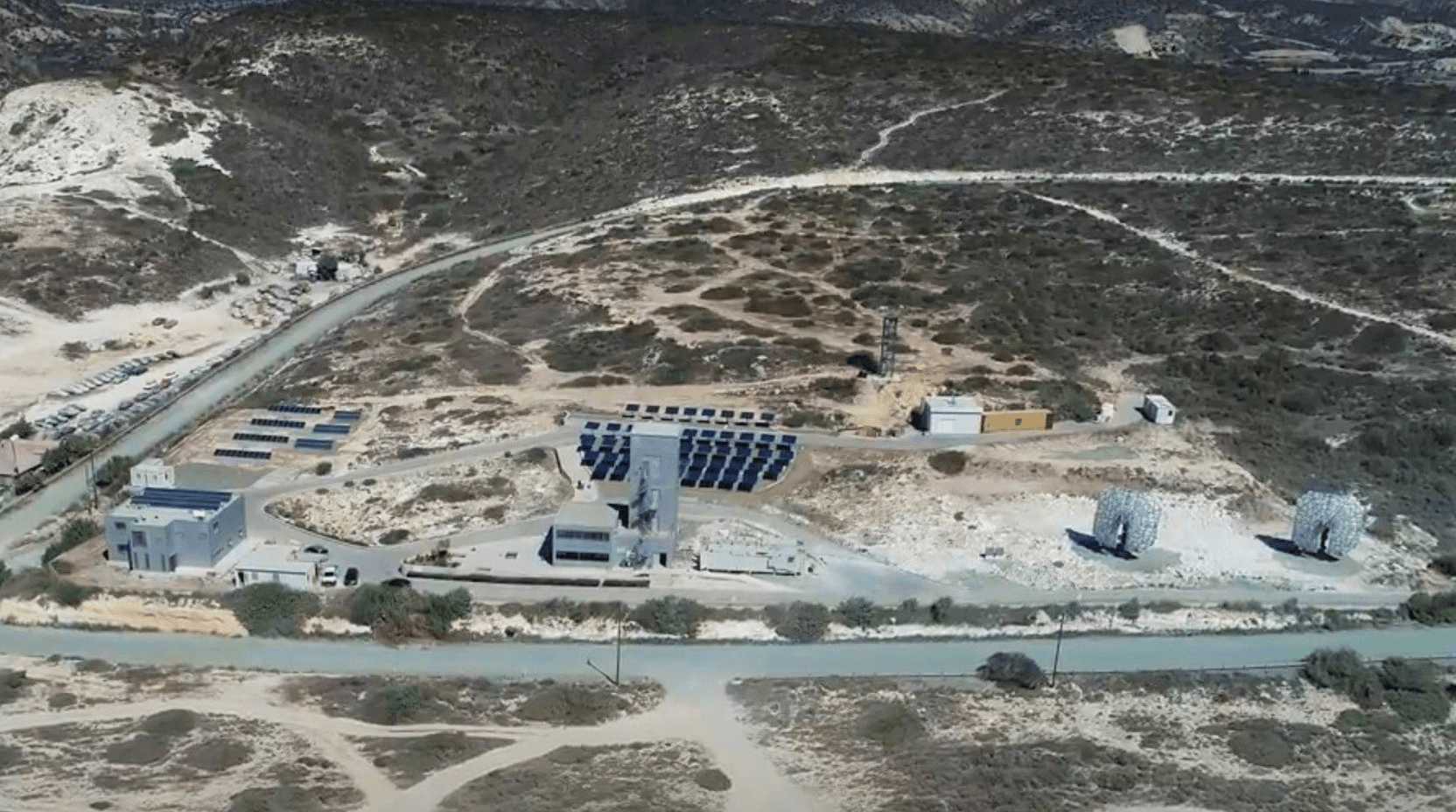
A place to test what solar heat can do.
Both make the interval between energy collection and use part of the design. Their storage media and operating scales differ.
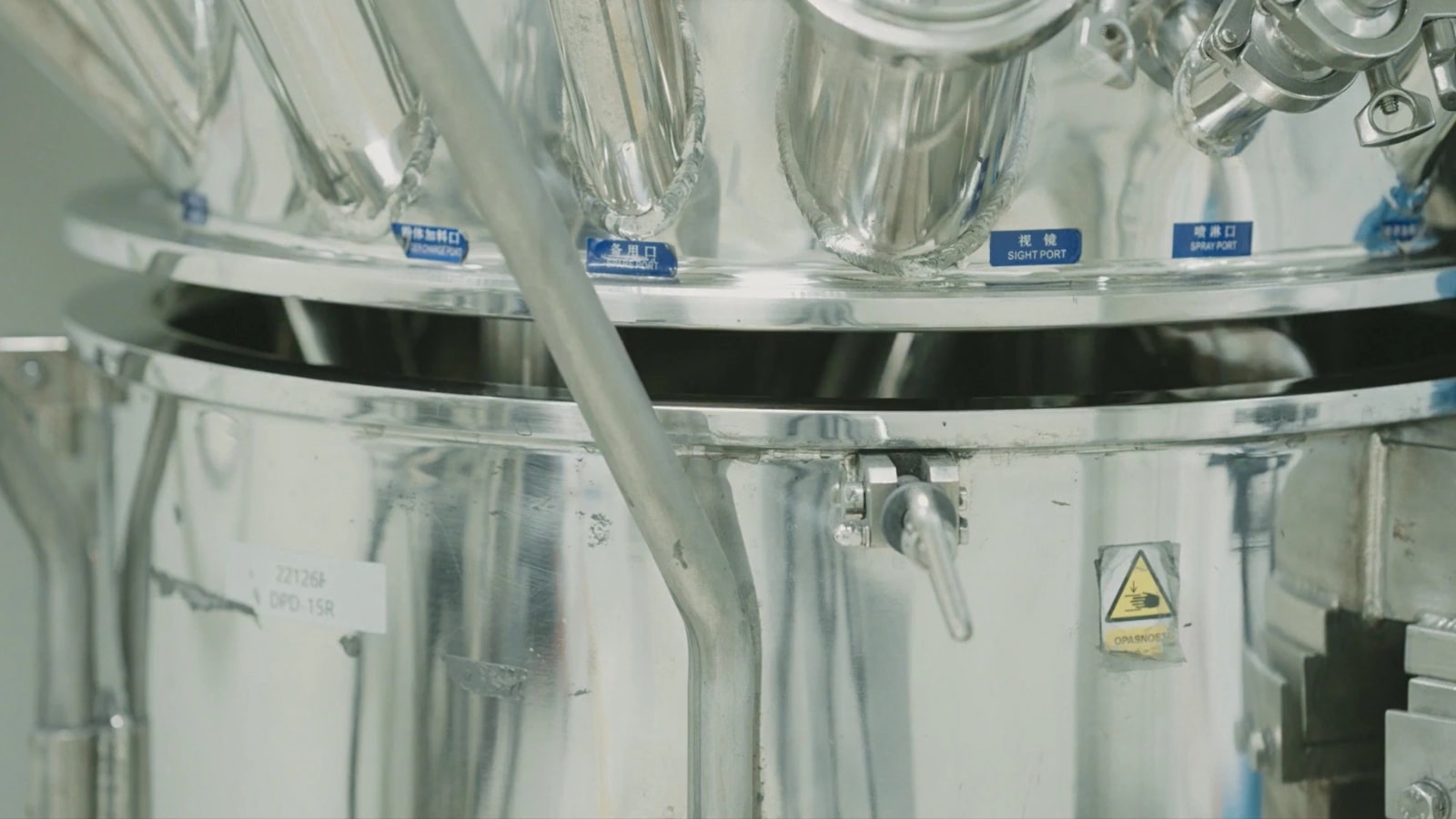
Build the battery from the cell outwards.
Both connect a storage principle with its industrial implementation. A battery cell and a gas-based storage plant need different supporting systems.