An electric ferry needs a smarter place to stop.
While the ferry is out on the fjord, its next charging stop is already preparing. A battery inside the floating dock stores electricity for the moment the boat returns.
 NO Norway
In practice. Future of the Fjords and its PowerDock were delivered in 2018 for Norwegian sightseeing operations.
What to keep in view
The sources document the delivered vessel and dock arrangement. Charging performance depends on the installed configuration and operating timetable. They do not establish zero lifecycle impact or today’s sailing schedule and legal requirements.
Two clocks at the same quay
The shore connection can supply energy over a longer period. A ferry needs a substantial charge during a short stop. PowerDock places a battery between those two rhythms: it builds a reserve between visits and helps deliver the higher power needed when the vessel is alongside.
The grid remains part of the charging process. Danfoss describes the dock battery and mains supply contributing together when Future of the Fjords connects. The battery does not create extra energy; it makes energy collected earlier available at the useful moment.
A CLOSER LOOKFollow the charging cycle
The stop begins before arrival.
Between visits: the grid replenishes the dock battery, spreading part of the demand over more time.
A vessel and its stop, designed together
Brødrene Aa records the 400-passenger, all-electric Future of the Fjords as a 2018 delivery for sightseeing operations. The floating dock supports more than charging: the supplier’s case study also describes taking wastewater from the vessel.
That makes the stop part of the operating system. Passengers see a boat against a fjord landscape; behind that experience are cables, storage, shore capacity and services that need to work within the time available alongside.
A buffer buys time, not unlimited capacity
Our reading: this is a useful way to think about demand that arrives in bursts. Before increasing the capacity of an entire supply connection, ask whether some of the work can happen between those bursts.
The timetable still has to balance. If visits are too frequent for the battery to recover, or a journey needs more energy than planned, the reserve can run down. Storage capacity, charging power, losses and time between visits belong in the same calculation. A working arrangement at one quay is a case to study, not a universal substitute for grid upgrades.
Read next.
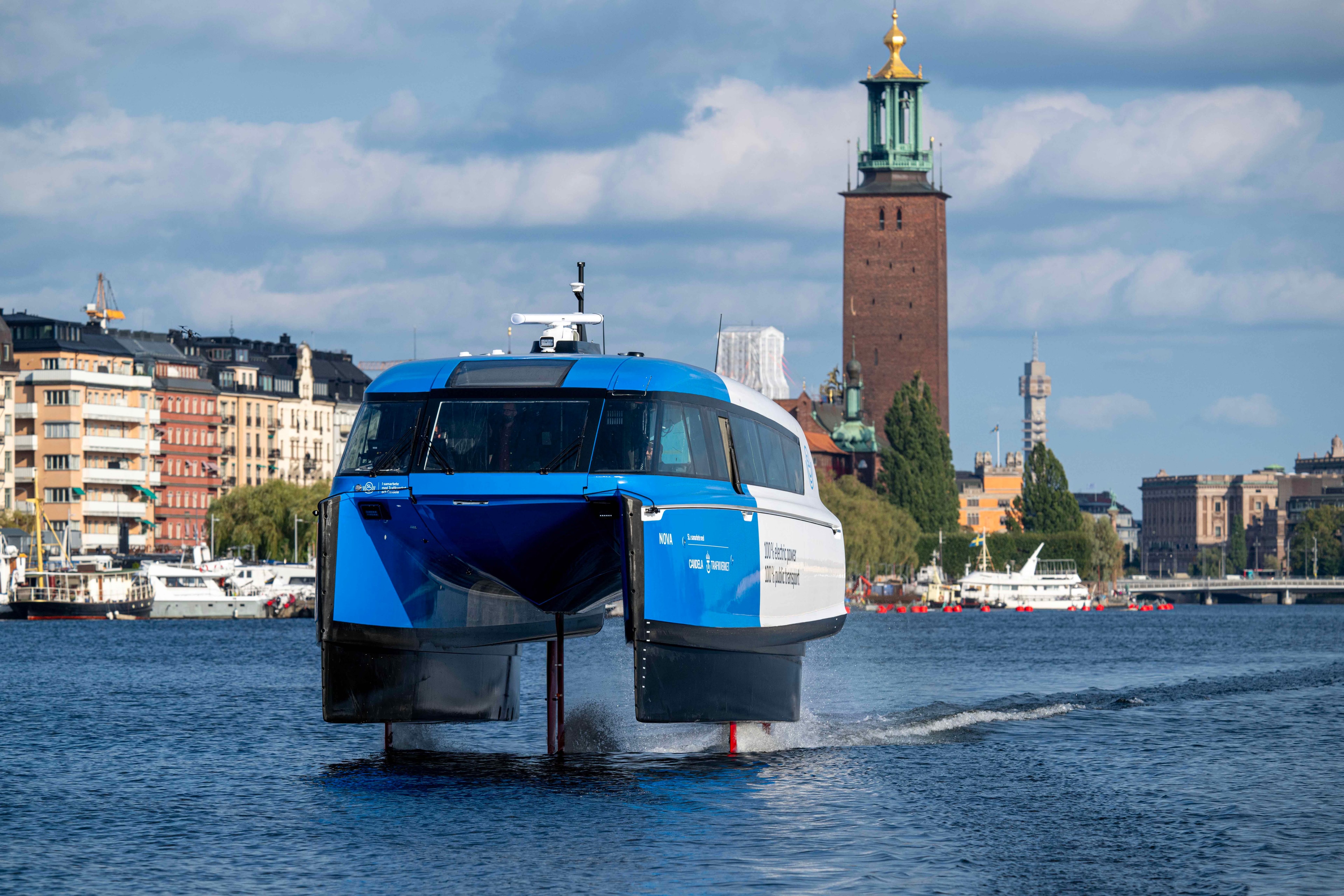
A commute above the water.
Both consider electric travel on water. Compare a dock that buffers charging demand with a hull system designed to reduce the energy needed in motion.
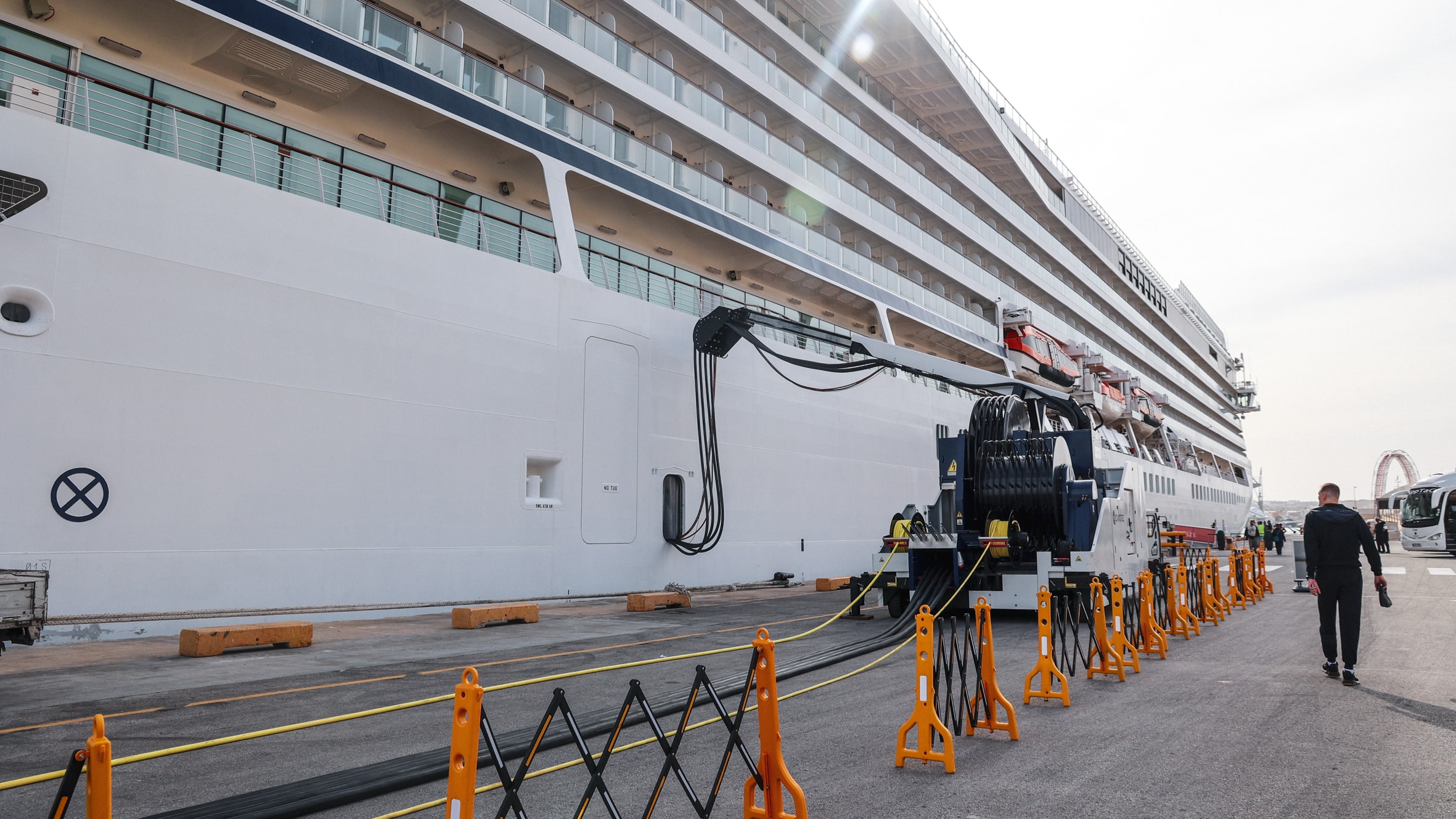
Plug in. Let the harbour breathe.
Both make the waterfront’s electrical infrastructure part of the vessel’s operation. Charging a battery and supplying berthed ships are distinct services.