Music you can touch, see and move through.
In Sound Forest, music is not confined to the ears. Visitors touch illuminated strings and encounter sound through light, vibration and movement. The room makes musical participation possible through several senses, without first asking everyone to master the same instrument or way of listening.
 SE Sweden
In practice. A museum installation in Stockholm, developed with KTH and studied through an exploratory visitor evaluation published in 2019.
What to keep in view
The evaluation is exploratory and context-specific. It does not demonstrate therapeutic benefit, musical learning outcomes or universal accessibility. A light- and vibration-rich environment may need adaptation for people with different sensory preferences.
Strings become a shared environment
Sound Forest is a long-running collaboration between KTH and the Swedish Museum of Performing Arts. Five interactive strings, speakers, lighting and vibrating platforms form a shared musical environment. A 2019 study explored visitors' experiences, including participants with physical and intellectual disabilities. KTH continued to document the installation and related research in 2026. The setting is participatory and exploratory rather than a course in musical proficiency.
Music becomes a shared space to enter through touch, movement, light and hearing rather than one prescribed skill.
Participation through several senses
Our reading: accessibility can be designed into the expressive medium itself, rather than added as a separate explanation of an otherwise unchanged experience. A vibration is both information about the sound and an experience worth having. Multiple ways to participate can also make a shared activity richer for people with different abilities.
When an experience depends on one dominant sense or skill, consider whether its meaningful relationships can be expressed through other channels. Preserve room for exploration and social play. More sensory input is not automatically more accessible, so different participants must be involved in testing it.
Read next.
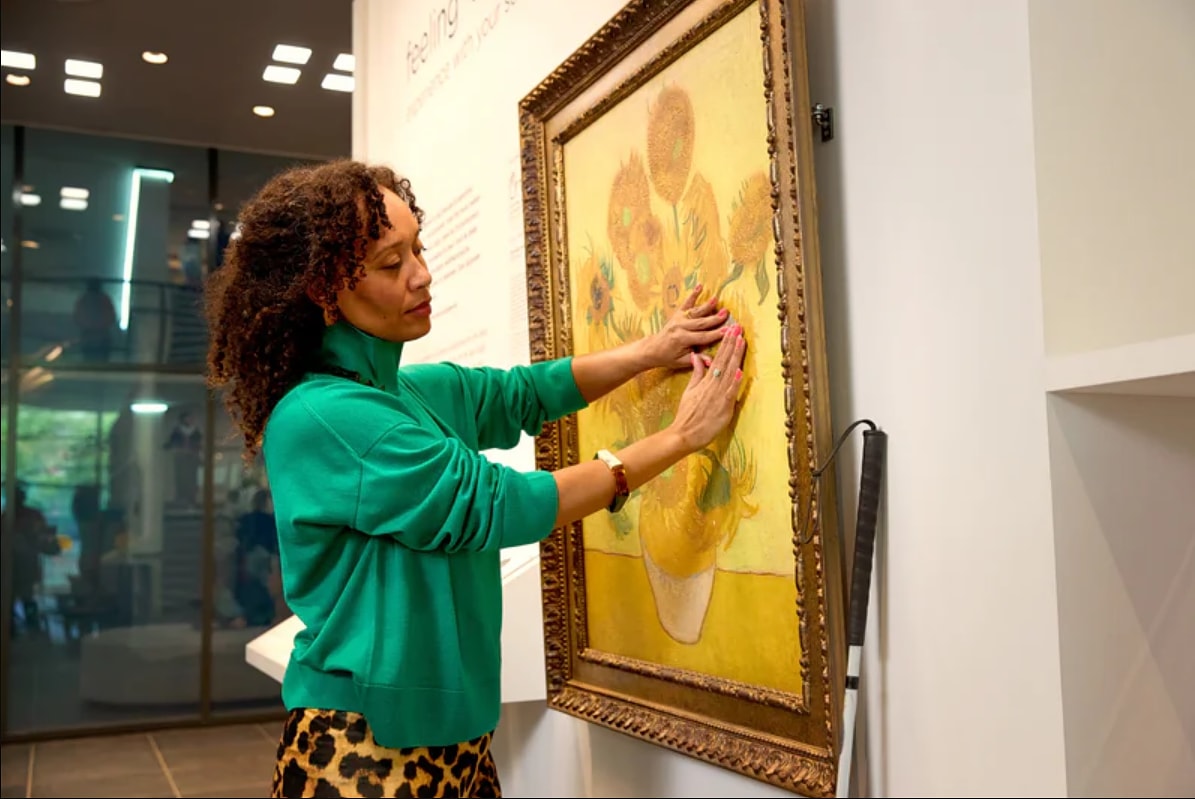
A painting you can encounter differently.
Both offer more than one sensory route into culture. Accessibility depends on the particular visitor, not simply adding more stimuli.
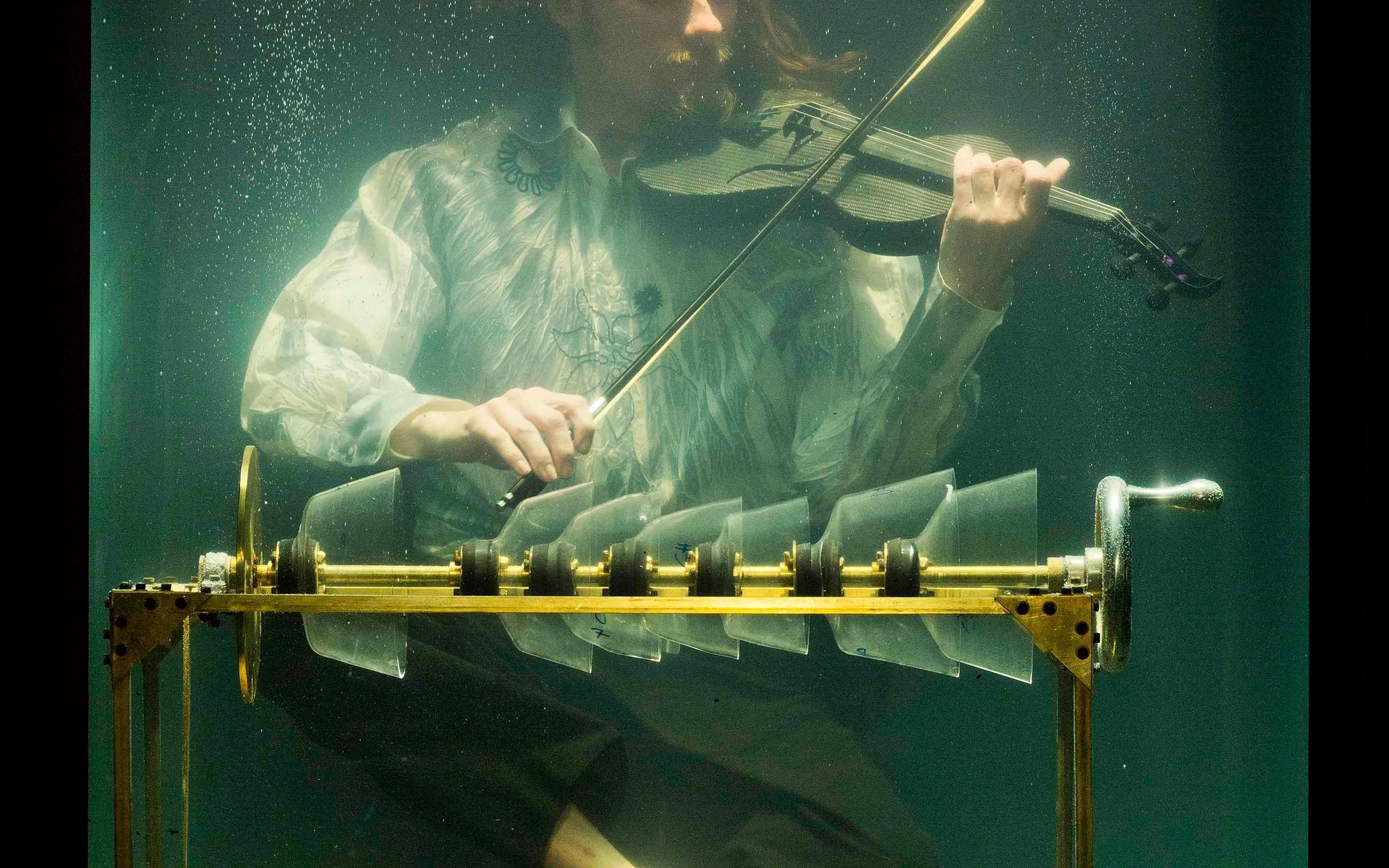
New instruments for another medium.
Both change the physical experience of music. One opens participation through several senses; the other changes the medium in which professionals perform.