Let the room’s light power a small device.
A room sensor may spend most of its day waiting, then briefly measure and transmit. Epishine asks whether the light already in that room can supply the small amount of energy the whole cycle needs.
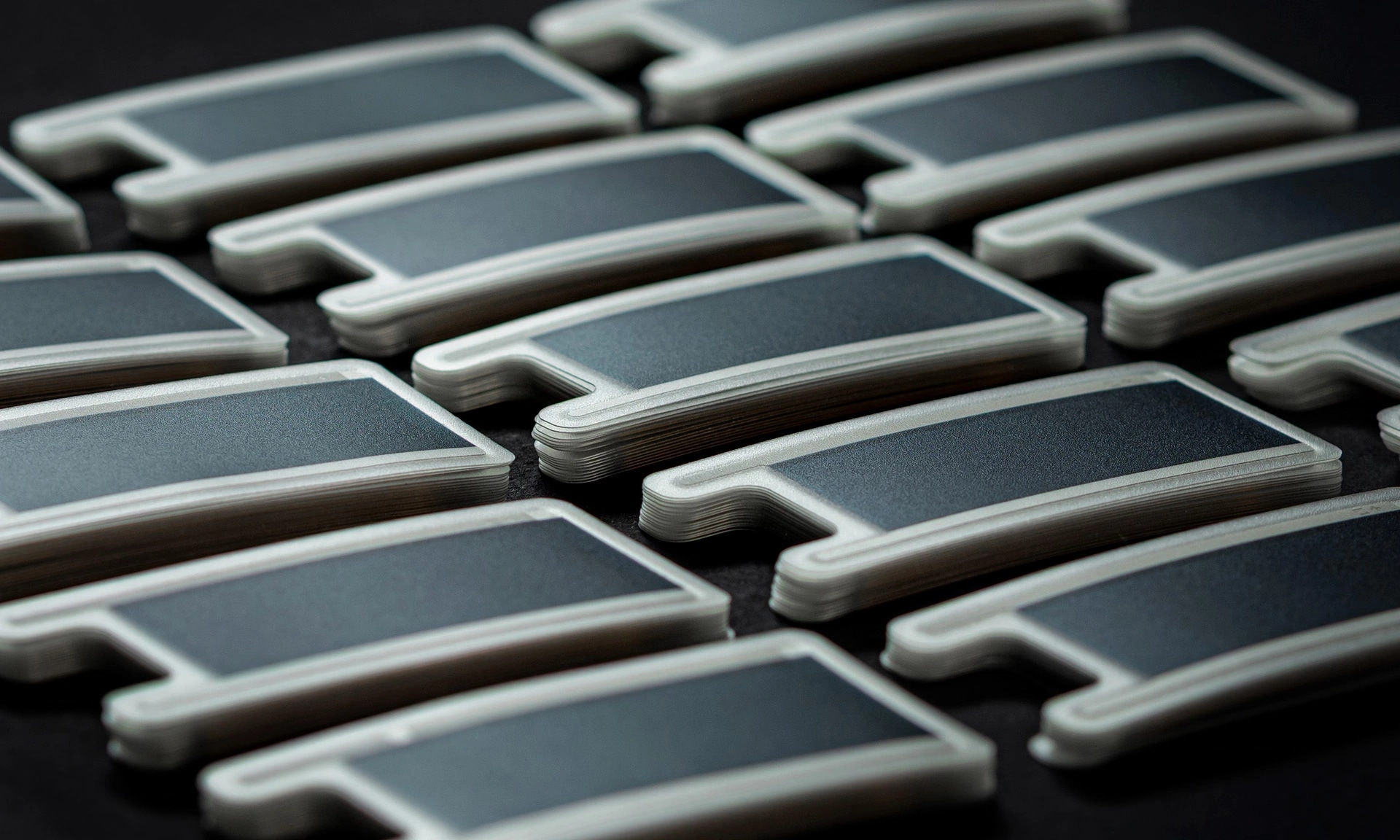
In practice. Commercial indoor-light-harvesting cells, with a first product recorded in February 2021. Performance depends on illumination, cell area and the device’s power budget.
What to keep in view
Available energy depends on illumination, cell area and device demand. Indoor light harvesting does not eliminate batteries or other storage in every application.
A cell made for the room
Epishine prints organic photovoltaic cells for low indoor illumination. The opportunity is to integrate a harvesting surface into modest-power electronics, rather than treat every device as another battery-replacement task.
Its light source can be artificial room lighting. But detecting or harvesting light at a very low level is not the same as running a complete product. Epishine’s own guidance distinguishes the cell’s ability to operate from the power requirements of the device connected to it.
A CLOSER LOOKFrom room light to useful power
A little light. A complete power system.
From the cell to useful power
A reference design from Nexperia combines Epishine cells with an energy-harvesting power-management chip and a storage element. Those are distinct jobs: the cell converts light, the electronics manage the harvested energy, and storage can bridge a gap between collection and use.
That gap might be a dark period or a short burst of activity. A sensor that wakes occasionally has a different energy pattern from a device running continuously. The demonstration shows a system to evaluate; it does not establish the runtime of every sensor or remote control.
The room is part of the design
Our reading: the useful question is not simply whether a cell produces electricity. It is whether the complete device receives enough energy over its real cycle. Cell area, placement, shade, lighting hours and the demand of each measurement or transmission all affect the answer.
If no light reaches the cell, harvesting stops. Stored energy may keep the electronics working, but only for a limited period. Test that quiet, dark interval as carefully as the illuminated demonstration. The prize is a product that needs less routine attention because its energy budget fits the place where it lives.
Company-documented product launch · February 2021
First commercial product in February 2021
Epishine’s timeline records its first product and evaluation kits distributed through Farnell and Avnet.
What this tells us. A commercial launch establishes availability at that time. It does not quantify performance in a particular room or guarantee battery-free operation.
Read next.
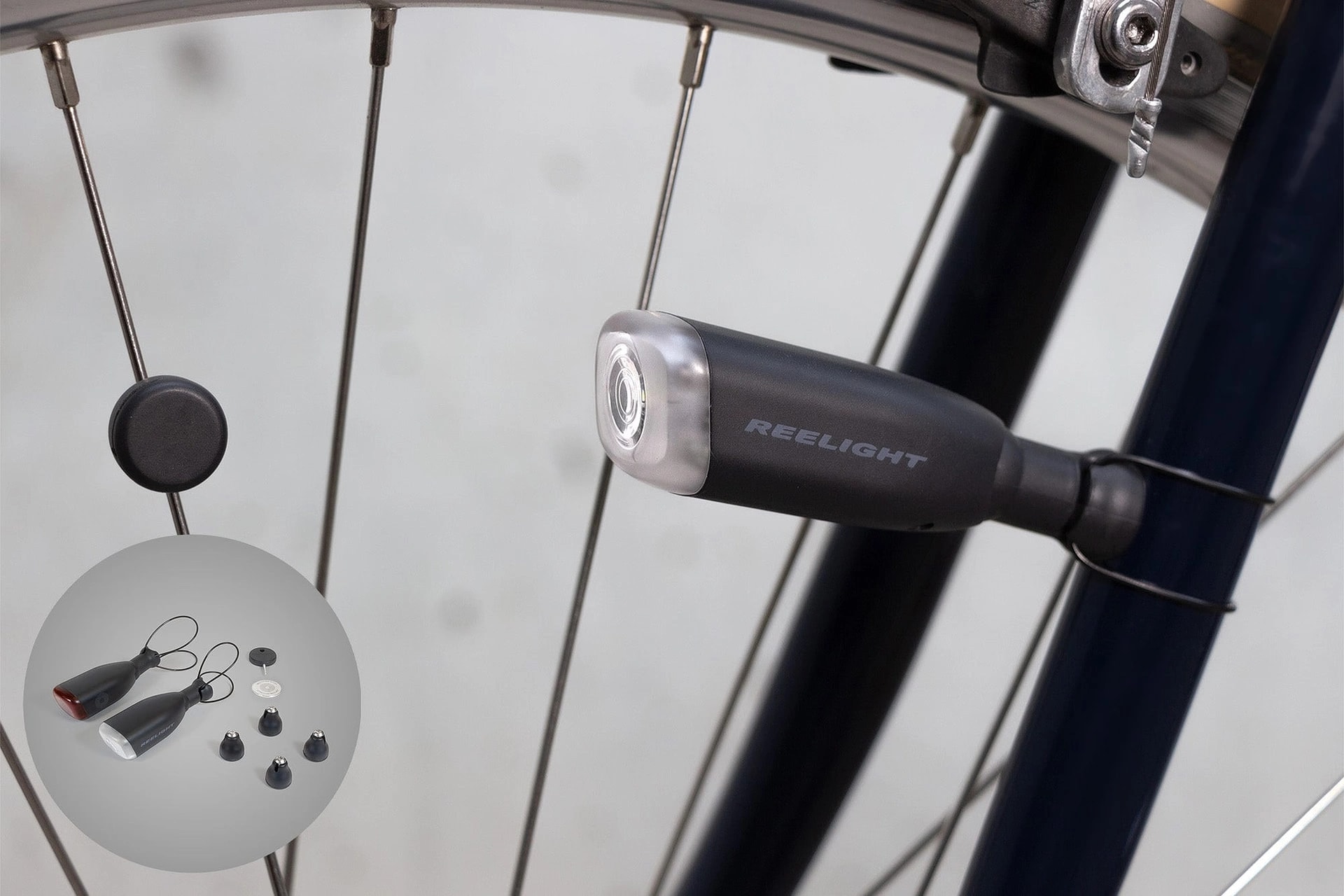
Make visibility part of the pedal stroke.
Both connect a small device’s power supply to its environment. Indoor light and wheel movement have different availability and storage requirements.
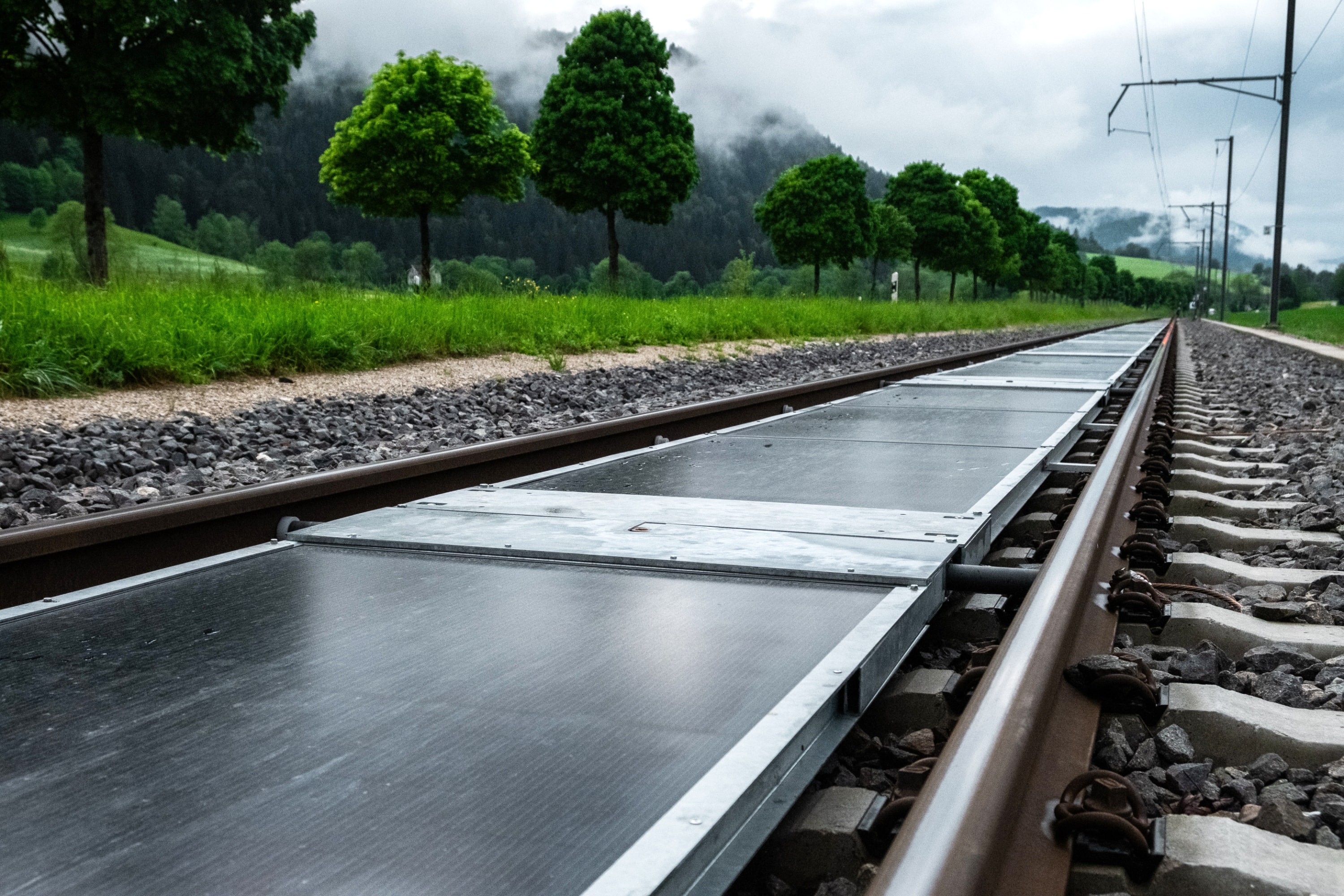
A second use for a working railway.
Both fit solar collection into an existing setting. A low-power indoor device and a railway installation face very different integration constraints.