Make visibility part of the pedal stroke.
The rider sets off. A magnet passes the light as the wheel turns, and movement supplies the energy for flashing. Reelight ties a recurring task to the journey itself.
 DK Denmark
In practice. The Danish CIO design received Red Dot recognition in 2018; current CIO+ lights use wheel magnets and induction.
What to keep in view
Specifications differ between CIO generations. These are visibility lights; legal requirements, beam needs and the duration of stopped illumination must be checked for the exact model.
The generator stays. The magnet moves.
In the current CIO+ design, spoke-mounted magnets pass a generator integrated into the light. Induction supplies electrical energy without a rubbing contact between generator and wheel. The system uses the bicycle’s movement; the magnets are not a free-standing energy source.
The manufacturer describes permanently mounted flashing lights with no separate battery-charging or switching routine. Mounting and magnet configuration should follow the instructions for the exact version.
A CLOSER LOOKHow the wheel powers the light
The wheel does the remembering.
A journey includes stopping
Reelight specifies a two-minute flashing backup for CIO+. That addresses a brief stop, not an indefinite period without movement. Visibility lighting also has a different job from a beam used to see an unlit road.
Our reading: the useful design move is to make a small recurring duty follow from the main activity. The stopped state reveals the limit of that relationship—and why a good design has to consider more than the moments when everything is moving.
Read next.
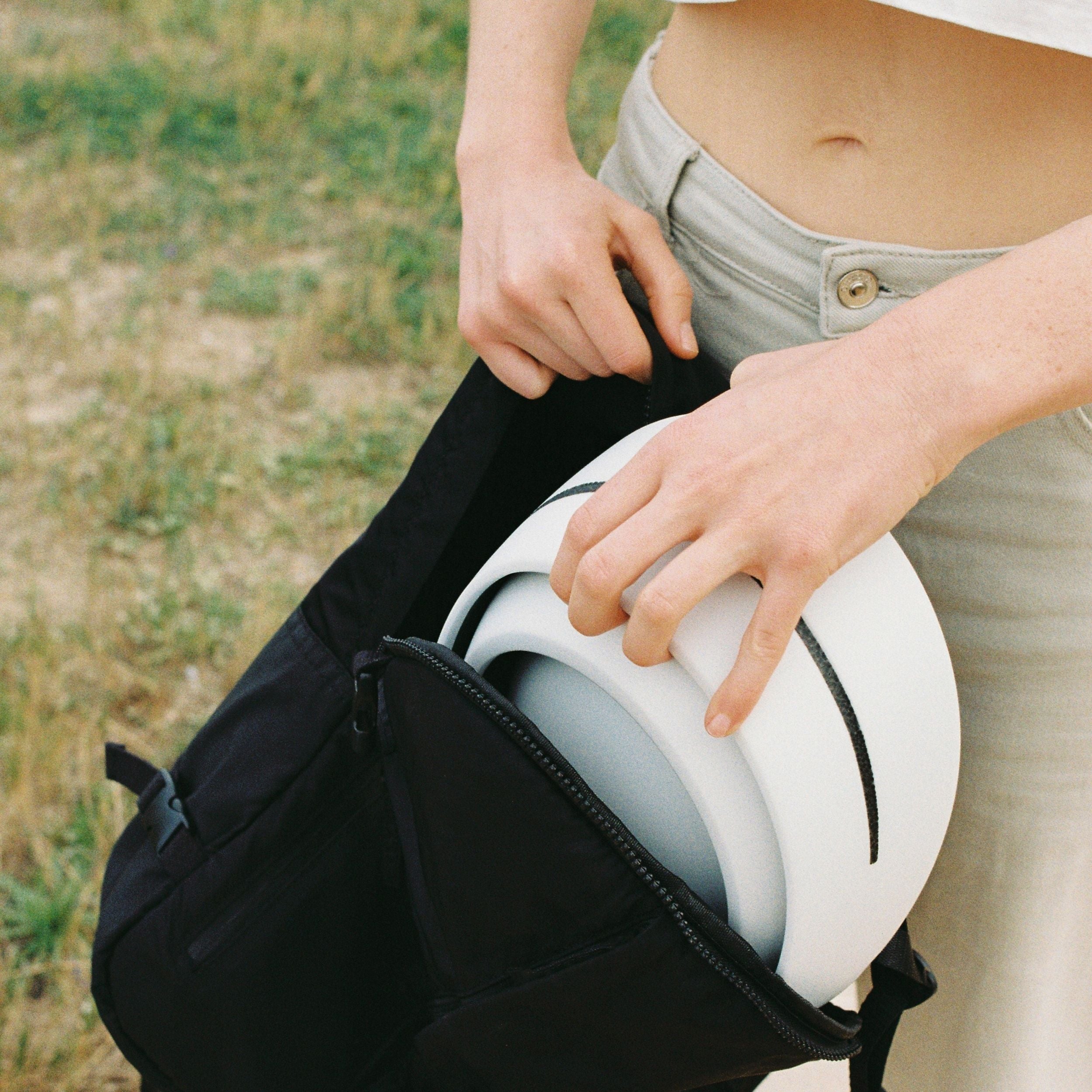
Let the helmet take up less of the day.
Both address the small practical burdens around cycling protection: carrying a helmet and remembering to charge visibility lights.
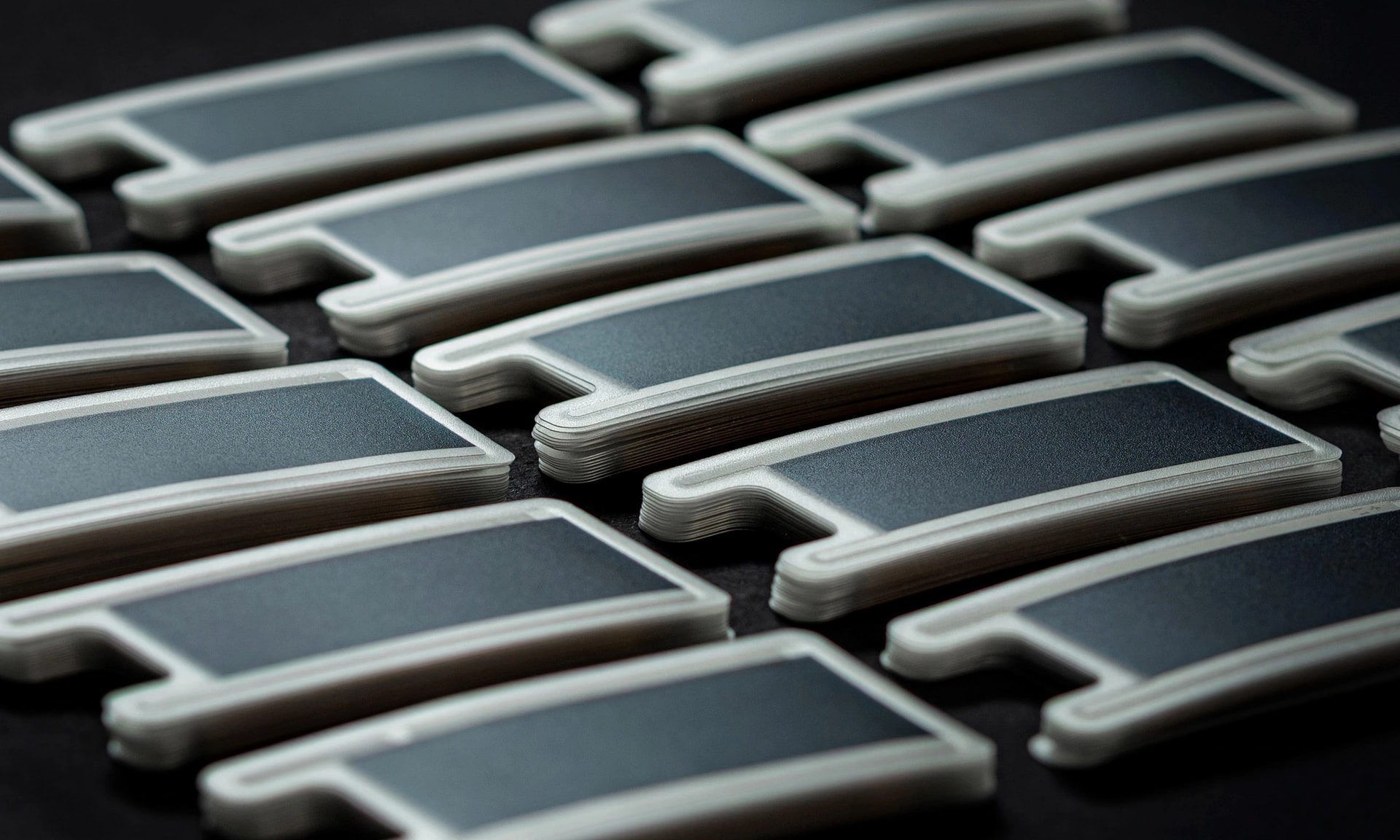
Let the room’s light power a small device.
Both connect a small device’s power supply to its environment. Indoor light and wheel movement have different availability and storage requirements.