A small cabin with a bigger systems question.
The egg-shaped exterior catches the eye. The more useful question is inside the design: what does a small home need when ordinary utility connections are absent?
 SK Slovakia
In practice. A produced original series combined a living interior with solar, wind and water systems. Later models have separate delivery questions.
What to keep in view
This story covers the produced original series, not a verified delivery status for later models. The sources do not establish unlimited autonomy or independent lifecycle performance across climates. Site permissions and servicing remain separate requirements.
More than an enclosure
The original Ecocapsule integrated a living interior with solar generation, a wind turbine and water collection and treatment systems. Its service equipment was part of the product, rather than a separate problem left entirely to the site.
The first series was produced. The company’s October 2024 retrospective distinguishes that original product from its next-generation development plans, an important distinction when reading photographs and specifications.
Independence has conditions
Our reading: the case is useful because it makes infrastructure visible. Shelter, energy and water have to be considered together before a remote stay can become comfortable and dependable.
Packaging the systems into one unit does not remove their limits. Sunlight, wind, water availability, demand and maintenance decide how much autonomy is possible at a particular site.
Read next.
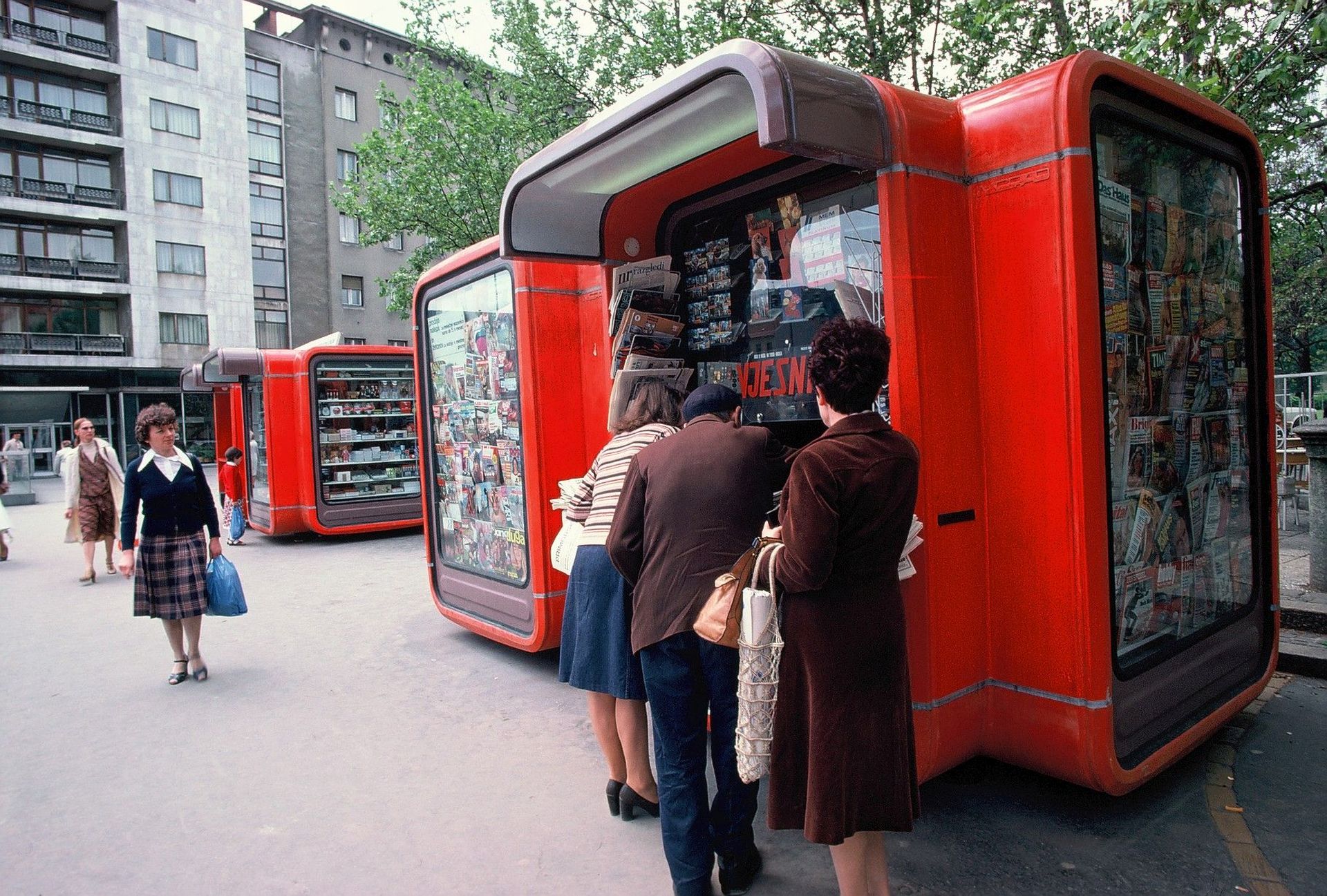
A kit for the everyday street.
Two compact manufactured spaces with different demands: a repeatable street kiosk and a pod designed around integrated off-grid systems.
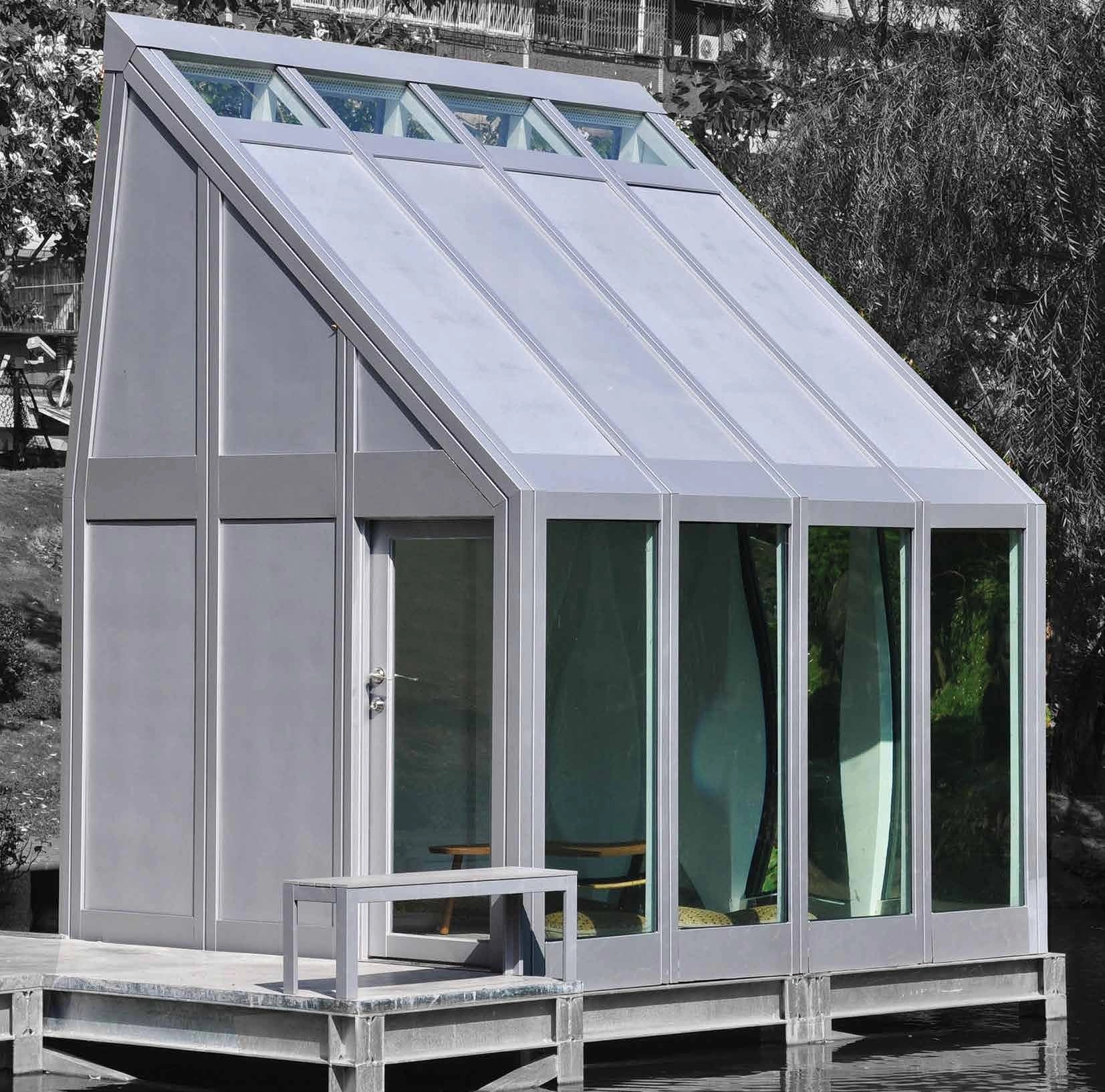
A window can also move heat.
Both make the building envelope part of an energy system. An integrated off-grid pod and a water-filled glazing prototype need different evidence of year-round performance.