A window can also move heat.
A water layer turns glazing into part of the building’s thermal circuit.
 HU Hungary
In practice. Water House 1.0 in Kecskemét is a Hungarian prototype using water within the building envelope.
What to keep in view
This prototype is distinct from Water House 2.0 in Taiwan. Sealing, condensation, pumps, maintenance and climate affect performance; projected savings are not universal operating results.
Give the boundary a second role
Water House 1.0 in Kecskemét is a prototype building using water within its envelope. Water-filled glazing absorbs heat into a liquid layer, and connected pipework allows that heat to move through a designed thermal system. Matyas Gutai’s project documentation distinguishes this Hungarian garden-room prototype from Water House 2.0 at Feng Chia University in Taiwan.
The window is asked to do more than admit light or resist heat transfer. Its water layer becomes an active route for collecting and redistributing heat. That changes the envelope from a boundary into part of the building’s services, with seals, flow and maintenance belonging to the design.
Connect the pane to the thermal system
Our reading: a building component can gain another useful role when its unwanted input becomes something the wider system can use. The compelling question is not simply whether water can absorb heat. It is whether a particular building can use that heat well enough to justify a more complex envelope. Climate-specific calculations and prototypes give a basis for investigation, not one savings figure for every site.
Read next.
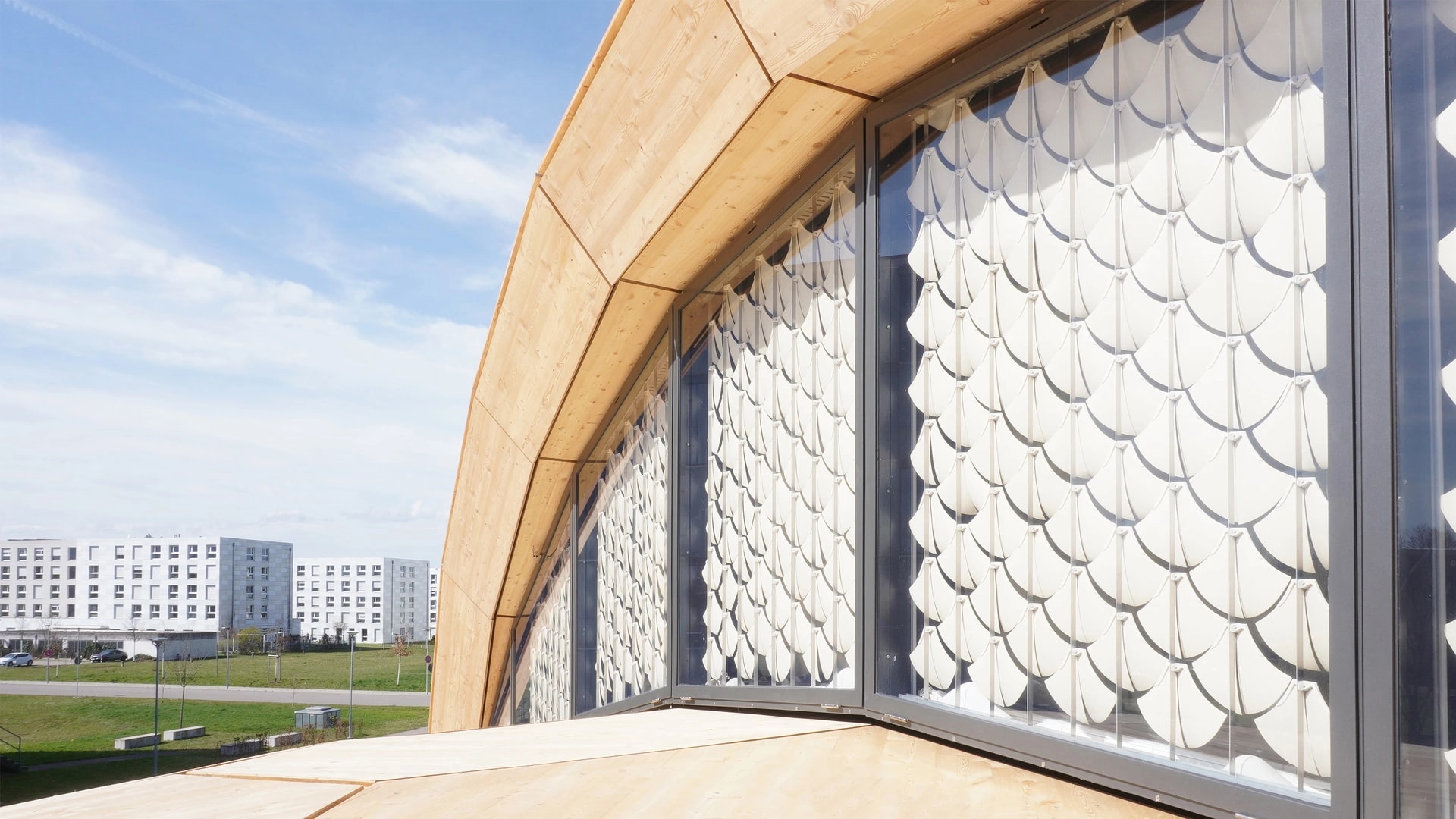
A façade that responds without a motor.
Both give the building envelope a more active role. Compare a passive material response with a water-based thermal circuit.
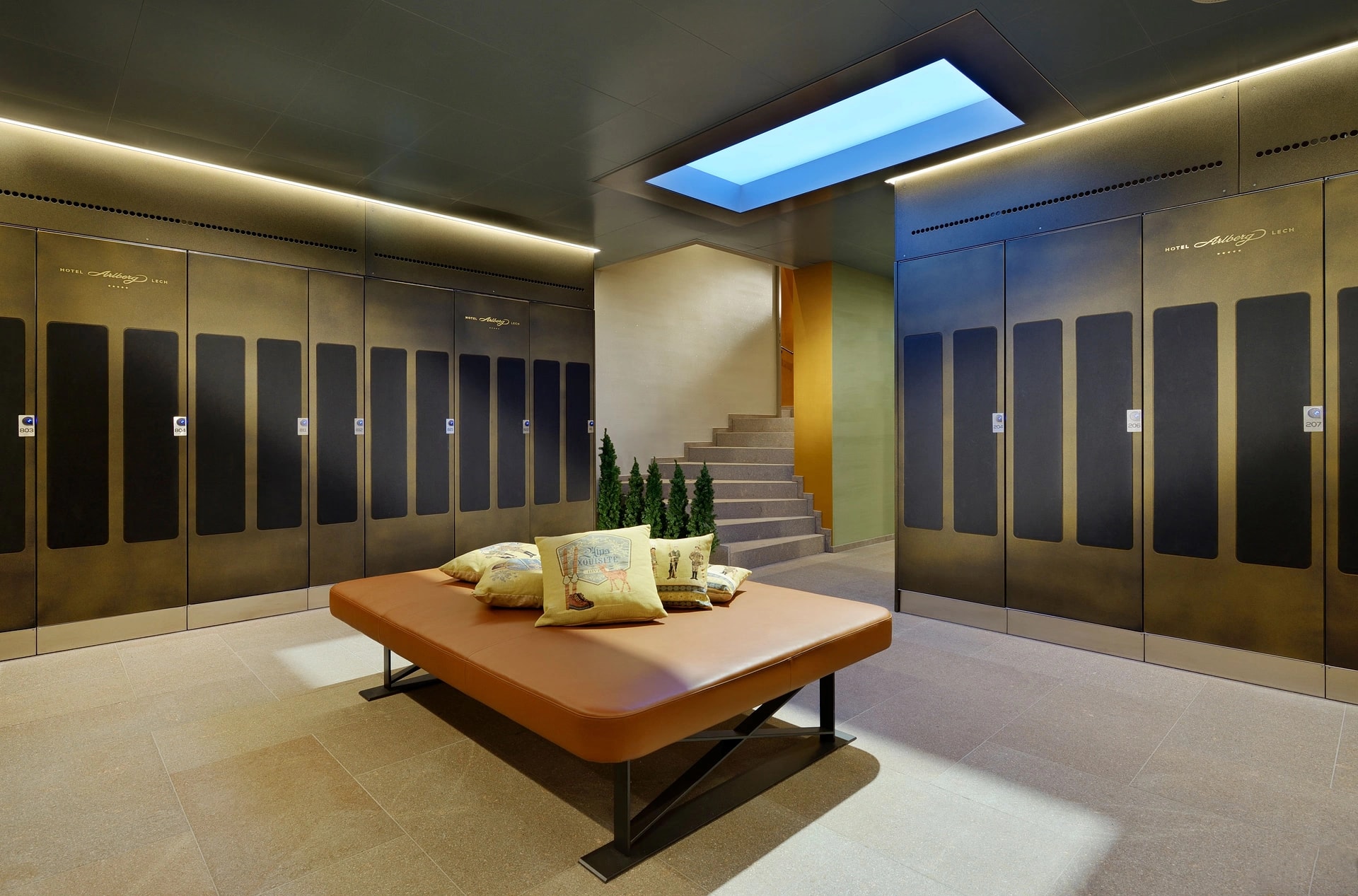
A sky-like light inside a room.
Both reconsider what a window-like element can do. One collects heat through water; the other recreates visual cues of daylight inside a room.