Build the underground heat exchanger you need.
Eavor’s Geretsried project turns the ground into the surrounding heat source for an engineered circulation loop. The German installation is also an unusually revealing account of what can go wrong while scaling a new energy system.
 DE Germany
In practice. The operator announced electricity feed-in in December 2025. Its May 2026 technical update reported four of six lateral pairs contributing to flow.
What to keep in view
Initial electricity generation does not establish the originally planned capacity or commercial economics. Eavor’s May 2026 account reports material construction setbacks; its performance figures are operator disclosures.
Engineer the route through the rock
Paired wells and connected lateral sections create a closed circulation path. Heat passes from the surrounding rock to the circulating fluid for use at the surface.
Geretsried reached initial electricity production, but the operator’s 2026 update also describes cementing problems, communication between well sections and a reduced first-loop configuration. The project’s limits are part of the story.
Learn from the difficult operating details
Our reading: a working demonstration becomes more useful when its shortcomings are visible. The first loop tests construction methods and subsurface behaviour as well as heat production.
Later projects may learn from those difficulties. Whether they deliver competitive heat or power still depends on measured output, drilling cost and reliable operation over time.
Read next.
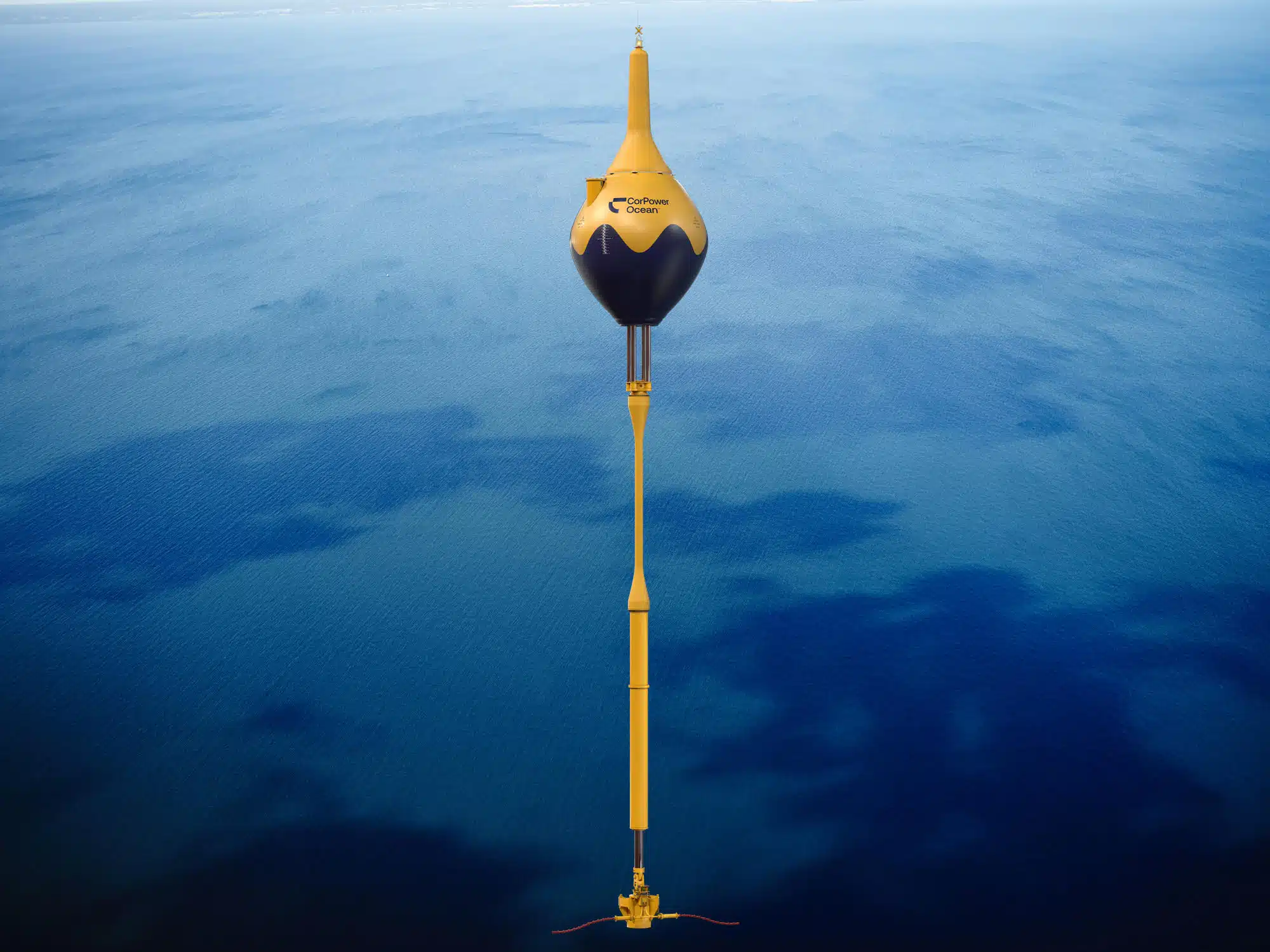
A wave machine with two responses.
Both reveal why operating trials matter. Reliability and maintenance become visible only when a promising energy system meets its working environment.
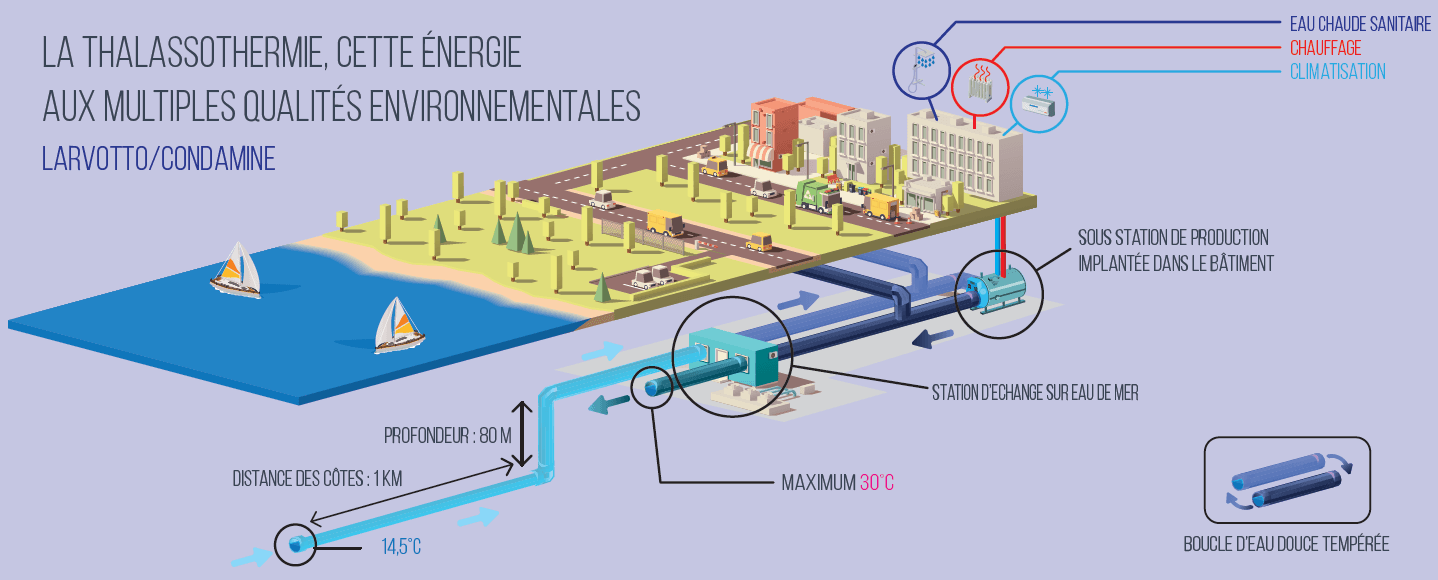
The sea can heat a neighbourhood.
Both use heat from their surroundings. Compare a deep engineered loop with coastal heat exchange, and the infrastructure each setting requires.