Catch the useful waves. Ride out the dangerous ones.
CorPower C4 cannot treat every wave the same way. The floating device needs to respond strongly when producing power and much more cautiously when a storm arrives.
 PT Portugal
In practice. A full-scale converter installed at Aguçadoura in 2023, exporting electricity during commissioning and returning ashore after its first offshore test cycle.
What to keep in view
The account concerns the C4 commissioning cycle, not uninterrupted current operation or proof of commercial-array economics. Strong performance claims are primarily developer-reported.
Control the response, not the sea
The developer’s WaveSpring control adjusts how the converter responds to ordinary waves. A detuned survival mode limits its movement during more severe conditions.
The first Portuguese deployment tested these modes at sea and supplied electricity to the grid. The device was subsequently disconnected and brought ashore for planned inspection and maintenance.
An offshore test earns a narrower claim
Our reading: separating production and survival is the useful engineering question. A device that captures more motion also needs a credible way to stop that motion becoming destructive.
The Portuguese test is an implementation of Swedish-developed technology. That cross-border development is central to the European story, rather than a reason to claim a purely national invention.
Read next.
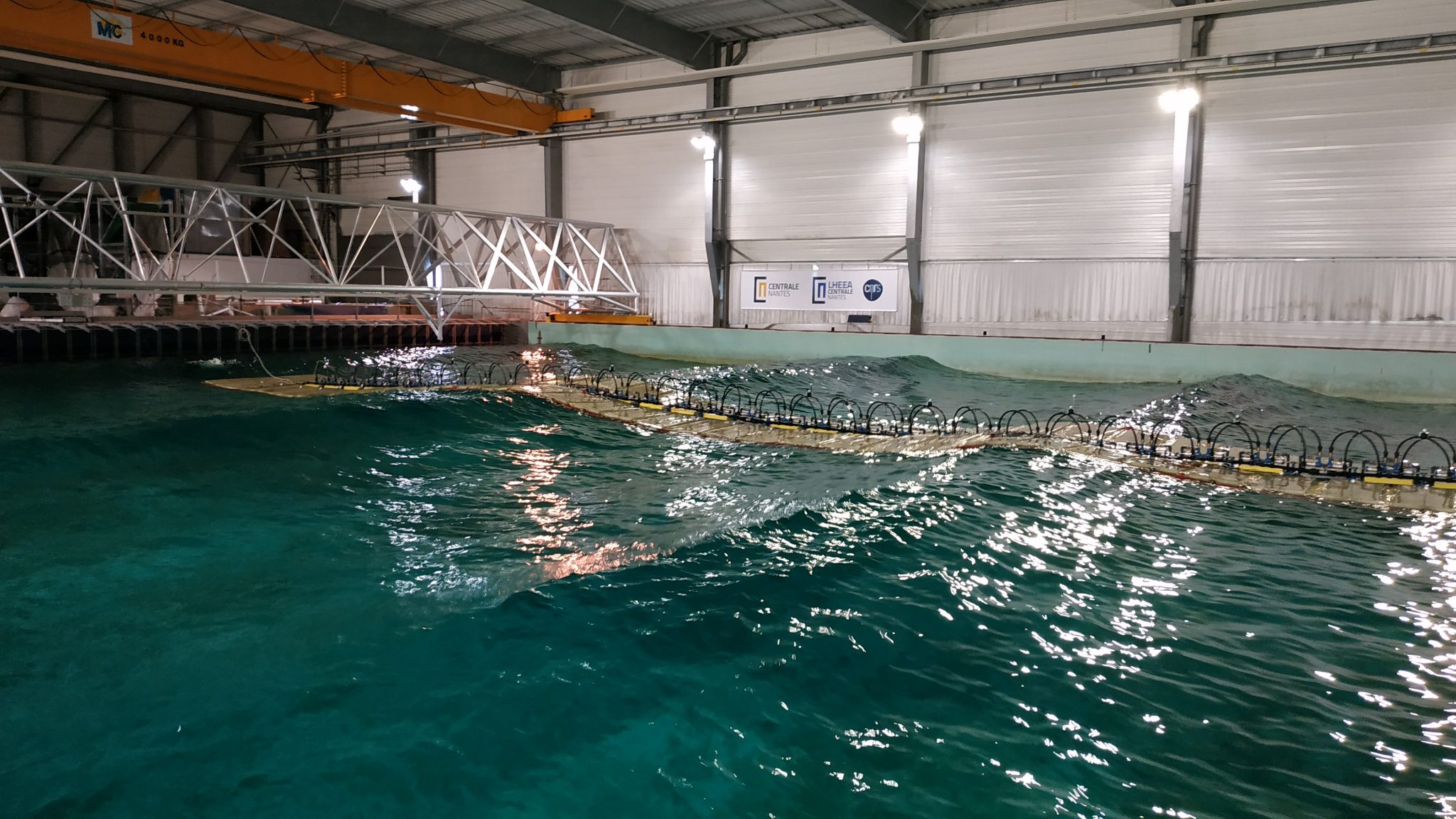
Could flexibility unlock wave energy?
Two approaches to gathering wave energy. Compare the physical mechanism, test setting and evidence without treating different trial stages as equivalent.
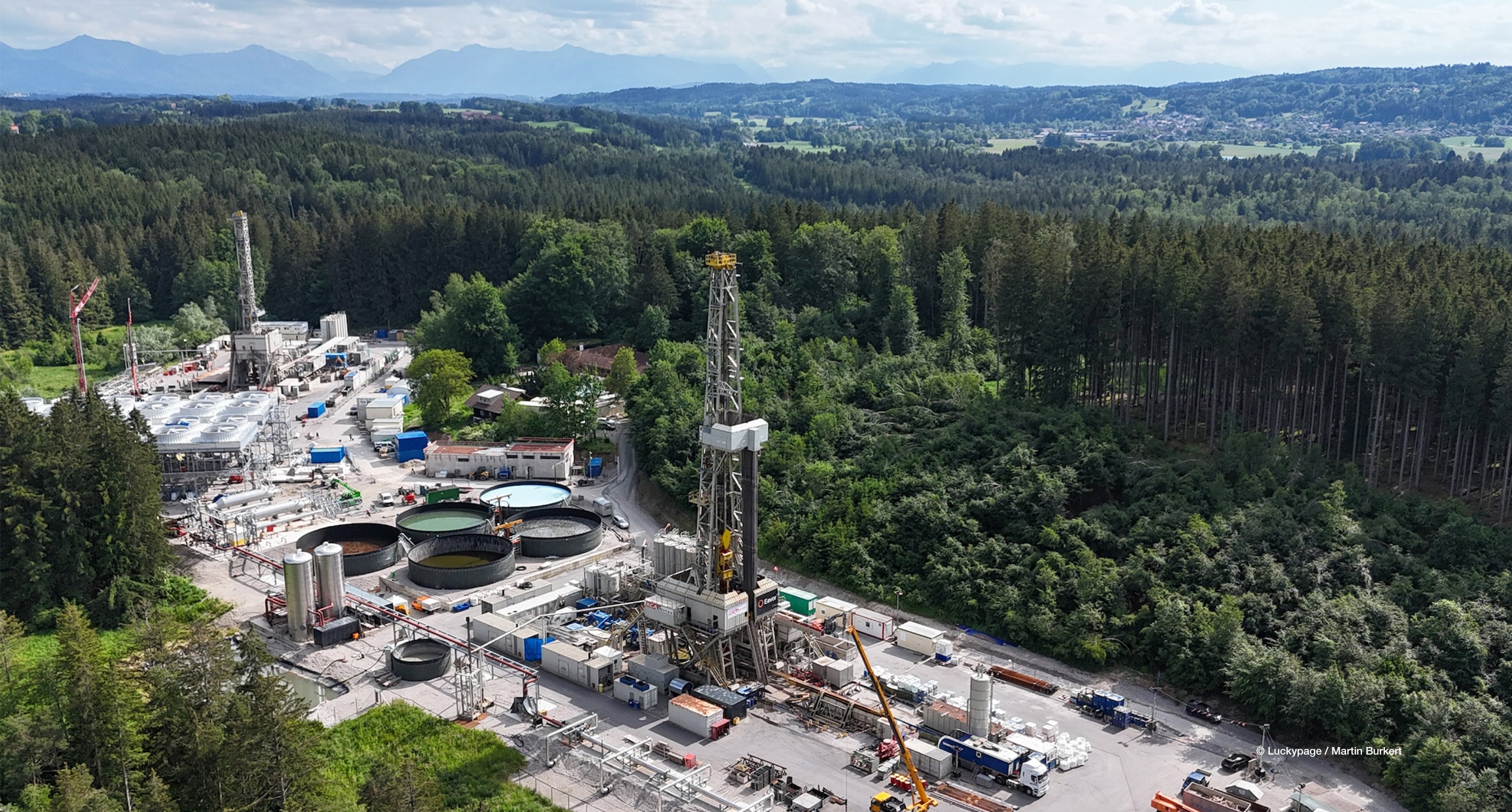
Geothermal heat, in a closed loop.
Both reveal why operating trials matter. Reliability and maintenance become visible only when a promising energy system meets its working environment.